
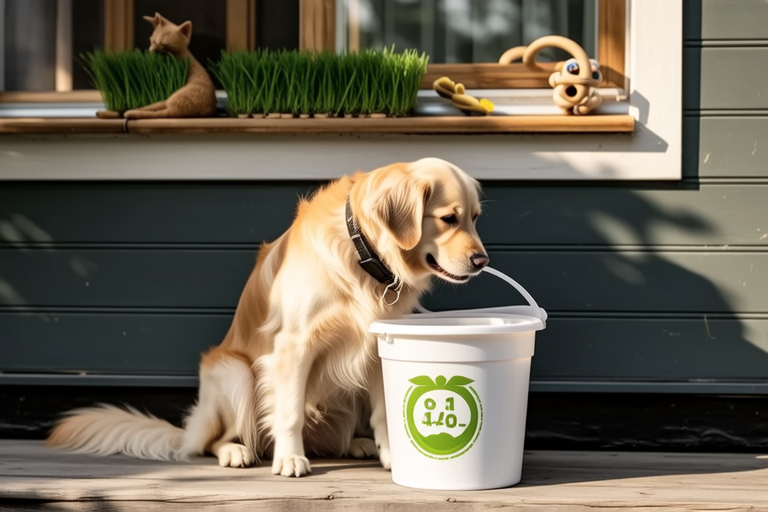
How Norwegians Are Raising Their Pets to Be Eco-Warriors
In the verdant landscapes of Norway, where fjords meet mountains and forests thrive, the concept of sustainability is deeply ingrained in daily life. This ethos extends to how Norwegians approach pet care, with many adopting unique and innovative practices to raise their pets as eco-warriors. From eco-friendly products to community initiatives, this article explores the fascinating ways Norwegians are integrating environmental consciousness into their pet care routines.
Eco-Friendly Pet Products
The market for sustainable pet products in Norway is booming. Many pet owners are opting for items that minimize waste and reduce environmental impact. Biodegradable poop bags made from plant-based materials are becoming increasingly popular. These bags decompose much faster than traditional plastic bags, reducing the amount of non-biodegradable waste in landfills. Additionally, pet owners can choose from a range of organic treats and toys made from natural fibers and recycled materials.
One notable product is the EcoPet Collar, which is crafted from recycled plastic bottles. Not only does it provide a stylish accessory for pets, but it also serves as a conversation starter about sustainability. Another innovative product is the GreenPaw Bed, which is filled with repurposed foam and covered in organic cotton. These products not only contribute to a healthier planet but also offer superior comfort for pets.
Innovative Training Methods
Training pets to be environmentally conscious involves more than just using eco-friendly products. It also requires innovative training methods that encourage responsible behavior. For instance, some dog trainers in Norway incorporate outdoor activities that teach dogs to respect nature. These activities include hiking trails specifically designed for pets, where dogs are taught to stay on marked paths and avoid disturbing wildlife.
Positive reinforcement plays a significant role in these training methods. Dogs are rewarded for behaviors that benefit the environment, such as picking up their waste or avoiding harmful plants. One trainer, Ingrid Johansen, has developed a program called “Green Paws” that combines obedience training with environmental education. Participants learn about the importance of protecting local ecosystems while teaching their pets to be responsible citizens.
Community Initiatives
Community initiatives play a crucial role in fostering a culture of sustainability among pet owners. Several Norwegian towns have established pet-friendly parks where residents can bring their dogs to play and socialize. These parks often feature recycling stations for pet waste and educational signs about responsible pet ownership. One such park is located in Oslo’s Frogner Park, where visitors can find information about the impact of pet waste on water quality and tips for proper disposal.
Another initiative is the “Pet Eco Challenge,” a nationwide competition that encourages pet owners to adopt eco-friendly habits. Participants share their experiences on social media using the hashtag #PetEcoChallenge, and winners receive eco-friendly prizes. The challenge has sparked conversations about sustainability and inspired many pet owners to make changes in their routines.
Examples of Successful Integration
Several Norwegian pet owners have successfully integrated environmental consciousness into their pet care routines. One such example is Ole and his golden retriever, Thor. Ole uses a compostable litter box for Thor and collects the waste for composting. He also takes Thor on regular hikes in the forest, teaching him to respect nature and avoid areas where he might disturb wildlife. Ole’s commitment to sustainability has not only benefited the environment but also strengthened his bond with Thor.
Another inspiring story comes from Lina, a cat owner from Bergen. Lina adopted her cat, Luna, from a shelter that emphasizes sustainability. She feeds Luna organic food and uses natural cleaning products to keep her home free of toxins. Lina also participates in community clean-up events, bringing Luna along to demonstrate responsible pet ownership. Her efforts have earned her recognition as a “Green Pet Owner” in the local newspaper.
Positive Impact on Local Ecosystems and Global Environmental Health
The practices adopted by Norwegian pet owners have a significant positive impact on local ecosystems and global environmental health. By using biodegradable products and participating in community initiatives, pet owners help reduce waste and pollution. Training pets to respect nature encourages responsible behavior and fosters a deeper connection between humans and animals.
The adoption of sustainable pet care practices also contributes to global environmental health. Reducing waste and pollution helps mitigate climate change and preserves biodiversity. As more pet owners around the world adopt these practices, the collective impact on the environment will be substantial.
Conclusion
The Norwegians’ approach to raising pets as eco-warriors is both inspiring and practical. By incorporating eco-friendly products, innovative training methods, and community initiatives into their pet care routines, they are making a tangible difference in protecting the environment. These practices not only benefit the planet but also enhance the lives of pets and their owners. As we continue to face environmental challenges, the lessons learned from Norwegian pet owners can guide us toward a more sustainable future.