
How to Choose the Perfect Norwegian Companion Animal for You
Welcome to the wonderful world of Norwegian companion animals! Norway, known for its breathtaking landscapes and rich cultural heritage, has also contributed to the world of animal breeding by developing some remarkable dog and cat breeds. These breeds are renowned for their loyalty, intelligence, and adaptability. Choosing the right Norwegian companion animal can bring joy, companionship, and endless fun into your life. This guide will help you navigate the process of selecting the perfect pet, ensuring a harmonious relationship that lasts a lifetime.
Understanding Your Lifestyle and Needs
Before diving into the specific breeds, it’s essential to assess your lifestyle, living space, and activity levels. Are you an active person who enjoys outdoor activities like hiking or jogging? Do you have a spacious home or a small apartment? Consider these factors to ensure you choose a pet that fits seamlessly into your daily routine.
- Lifestyle: Your day-to-day activities will influence the type of pet you choose. Active individuals may prefer energetic dogs that enjoy running and playing, while those with more sedentary lifestyles might opt for calmer cats or dogs.
- Living Space: The size of your home plays a crucial role in determining the right pet for you. Large dogs require ample space to move around, whereas smaller dogs and cats are well-suited for apartments.
- Activity Levels: Think about your energy levels and how much time you can dedicate to your pet. Some breeds thrive on constant attention and exercise, while others are content with short walks and indoor playtime.
Popular Norwegian Dog Breeds
Breed: Norwegian Elkhound
The Norwegian Elkhound is a hardy and versatile breed, originally bred for hunting and guarding. They are medium-sized dogs with a distinctive gray coat and a striking black mask. Known for their loyalty and protective nature, they make excellent family pets. Elkhounds are highly intelligent and eager to please, making them easy to train. However, they require plenty of physical and mental stimulation to prevent boredom and destructive behavior.
Breed: Lundehund
The Lundehund, also known as the Puffin Dog, is a rare and ancient breed from the Lofoten Islands. These small, agile dogs have unique physical characteristics, including extra joints in their toes, which allow them to climb cliffs with ease. Lundehunds are gentle, affectionate, and devoted to their families. They are best suited for experienced owners due to their need for specialized care and a balanced diet.
Breed: Norwegian Buhund
The Norwegian Buhund is a compact and sturdy dog, known for its herding abilities and versatility. With a thick, double coat that comes in various colors, the Buhund is a delightful companion for active families. They are highly trainable, responsive, and excel in obedience and agility competitions. Regular grooming is necessary to maintain their coat, and they require moderate exercise to keep them healthy and happy.
Popular Norwegian Cat Breeds
Breed: Norwegian Forest Cat
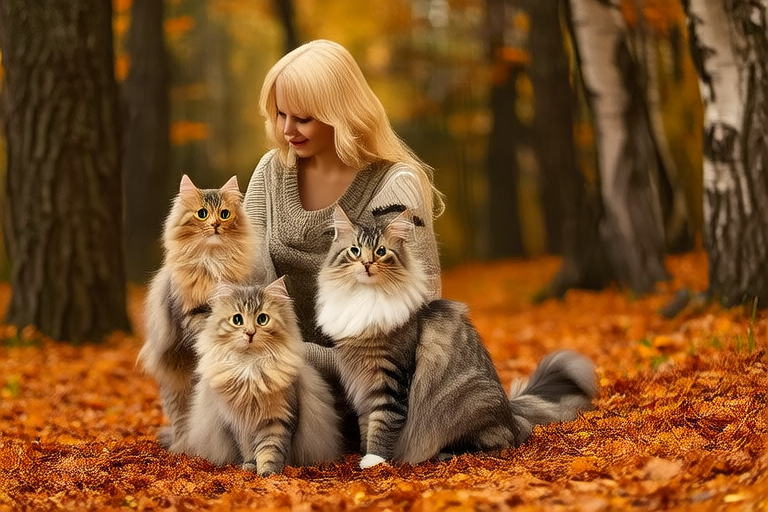
The Norwegian Forest Cat, or Norsk Skogkatt, is a large and muscular breed with a thick, water-repellent coat. Their striking green or gold eyes and tufted ears give them a wild appearance. Despite their formidable looks, they are gentle, affectionate, and adaptable. Norwegian Forest Cats are excellent climbers and love to explore their surroundings. They are relatively low-maintenance but benefit from regular brushing to prevent matting.
Breed: Skogkatt
The Skogkatt, also known as the Norwegian Mountain Cat, is a rare and ancient breed native to Norway. With a dense, silky coat and expressive eyes, they are known for their independent yet loving nature. Skogkatts are highly intelligent and can be quite vocal. They are well-suited for homes where they can roam freely and engage in interactive play. Regular grooming is essential to keep their coat in top condition.
Meeting and Interacting with Potential Pets
Once you’ve narrowed down your options, it’s time to meet and interact with potential pets. Visiting shelters, breeders, or adoption events can help you find the perfect match. Spend time observing each animal’s behavior and personality to ensure compatibility. Here are some tips for meeting and interacting with potential pets:
- Observe Their Behavior: Pay attention to how the pet interacts with you and other people. A confident and friendly demeanor is usually a good sign.
- Engage in Play: Playing with the pet can provide insight into its energy level and playfulness. Look for a balance between enthusiasm and calmness.
- Ask Questions: Don’t hesitate to ask the shelter or breeder about the pet’s background, health history, and any specific needs.
Preparing for a New Pet
Bringing a new pet into your home is an exciting but significant responsibility. Proper preparation ensures a smooth transition for both you and your new companion. Here are some tips to help you prepare:
- Create a Comfortable Environment: Set up a designated area for your pet with comfortable bedding, toys, and feeding stations. Make sure the space is safe and free from hazards.
- Establish a Routine: Create a consistent schedule for feeding, exercise, and playtime. Consistency helps pets feel secure and reduces behavioral issues.
- Prepare for Vet Visits: Schedule an initial veterinary check-up to ensure your pet is healthy and up-to-date on vaccinations. Regular visits are crucial for maintaining your pet’s well-being.