
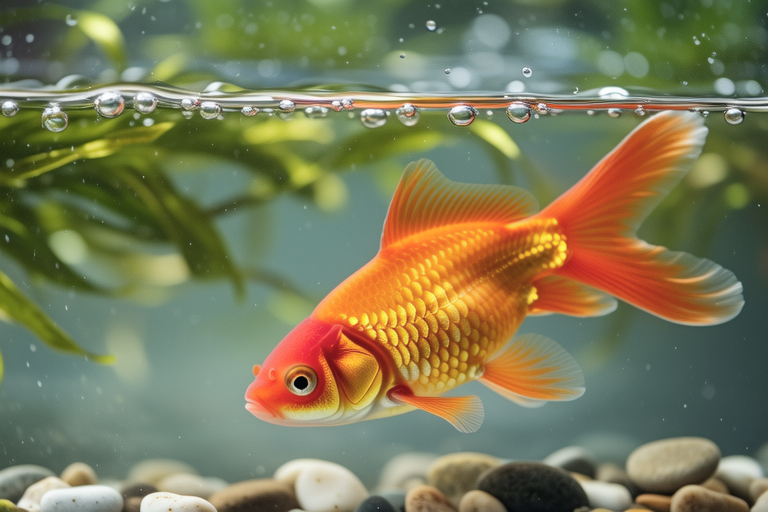
Everything You Need to Know Before Adopting a Goldfish
Welcome to the wonderful world of goldfish! These charming creatures have been captivating hearts for centuries. If you’re considering bringing one into your home, this guide will help you understand everything you need to know before adopting a goldfish. From basic care to setting up the perfect environment, we’ll cover all aspects to ensure your new pet thrives.
Goldfish Care Basics
Caring for a goldfish requires attention to several key areas. First and foremost, goldfish are social animals and thrive in groups. It’s recommended to keep at least two goldfish together to prevent loneliness and promote their well-being. Each fish has its unique personality, and watching them interact can be both entertaining and educational.
Your goldfish will spend most of its time swimming around, exploring, and nibbling on plants or food. They are generally peaceful, but they can become territorial if space is limited. Providing ample swimming room and hiding spots can help alleviate stress and encourage natural behaviors.
Tank Setup Requirements
Setting up the right tank is crucial for your goldfish’s health and happiness. A common misconception is that goldfish can live happily in small bowls. In reality, goldfish require more space than many people realize. The general rule of thumb is that each inch of fish requires approximately one gallon of water. For example, a pair of goldfish (around 4 inches total) would need at least a 5-gallon tank.
The tank should also be equipped with a filter to maintain water quality. Filters help remove waste, debris, and excess nutrients from the water, ensuring a clean and healthy environment for your fish. Additionally, a heater is necessary to maintain stable water temperatures between 68°F and 74°F (20°C to 23°C). This range mimics the temperature of their natural habitat and keeps your goldfish comfortable.
To complete the setup, add some decorations like rocks, caves, and plants. These not only make the tank visually appealing but also provide hiding spots and enrichment for your goldfish. Make sure any decorations are safe and free of sharp edges or harmful chemicals.
Appropriate Water Conditions
Maintaining optimal water conditions is vital for your goldfish’s health. Regularly test the water for pH, ammonia, nitrite, and nitrate levels. Ideal pH levels for goldfish are between 6.5 and 8.0. Ammonia and nitrite levels should always read zero, while nitrate levels should be kept below 40 ppm.
Adequate filtration is essential for managing these parameters. It helps break down harmful substances and maintains a balanced ecosystem within the tank. Weekly water changes of about 20% are recommended to keep the water fresh and reduce the buildup of toxins.
Water hardness and alkalinity should also be monitored. Goldfish prefer slightly hard water with a pH of around 7.0 to 7.5. Adjusting these factors may involve using specific products designed for aquarium maintenance, such as pH buffers or water conditioners.
Feeding Guidelines
Proper nutrition is critical for the growth and longevity of your goldfish. Feed them a high-quality flake or pellet food formulated specifically for goldfish. These foods contain essential nutrients and are easy for goldfish to digest. Avoid overfeeding, as excess food can lead to poor water quality and health problems. A good rule of thumb is to feed your goldfish what they can consume in 2-3 minutes, twice daily.
Variety is important in their diet. Supplement their regular meals with occasional treats like frozen brine shrimp, bloodworms, or daphnia. These additions provide additional protein and variety, keeping your goldfish interested and stimulated. However, treats should only account for about 10% of their overall diet.
It’s also beneficial to include vegetables in their diet. Goldfish enjoy leafy greens like spinach, lettuce, and zucchini. Boil these vegetables lightly and then cool them before offering them to your fish. This ensures they are soft enough for your goldfish to eat easily.
Common Health Issues
Like any pet, goldfish can face various health challenges. One of the most common issues is fin rot, which causes the fins to appear frayed or ragged. This condition is often linked to poor water quality or bacterial infections. To prevent it, maintain clean water and monitor the tank’s environment closely. If you notice signs of fin rot, consult a veterinarian who specializes in aquatic pets for treatment options.
Fish lice and ich are other prevalent parasites that can affect goldfish. Fish lice attach themselves to the body of the fish, causing irritation and discomfort. Ich appears as tiny white spots on the fish’s skin and gills. Both conditions require prompt attention and appropriate medication. Quarantining affected fish and treating the tank can help prevent the spread of these parasites.
Another issue to watch out for is swim bladder disorder, which affects the fish’s ability to control buoyancy. This can cause the fish to float upside down or struggle to swim properly. While not always curable, improving water quality and providing a varied diet can sometimes alleviate symptoms. Always consult a professional if you suspect your goldfish has swim bladder disorder.
Myths About Goldfish
There are several misconceptions surrounding goldfish that can lead to improper care. One popular myth is that goldfish have a three-second memory span. Research has shown that goldfish can remember tasks and recognize their owners after several weeks. They are capable of learning tricks and responding to specific stimuli, making them intelligent and engaging companions.
Another myth is that goldfish can survive in dirty tanks without much maintenance. While goldfish are relatively hardy compared to other fish species, they still require clean water and proper care. Neglecting their needs can lead to stress, disease, and a shortened lifespan. Regular cleaning, water changes, and monitoring水质条件对于金鱼的健康至关重要。定期测试水的pH值、氨、亚硝酸盐和硝酸盐水平是必要的。理想的pH值范围为6.5至8.0。氨和亚硝酸盐水平应始终保持零,而硝酸盐水平应保持在40 ppm以下。
适当的过滤对于管理这些参数至关重要。它有助于分解有害物质并维持水箱内的平衡生态系统。每周更换约20%的水可以保持水质清新,并减少毒素的积累。
硬度和碱度也应监测。金鱼喜欢硬度稍高的水,pH值约为7.0到7.5。调整这些因素可能需要使用专门为水族馆维护设计的产品,如pH缓冲剂或水质调节剂。
喂养指南
正确的营养对金鱼的成长和长寿至关重要。喂它们高质量的片状或颗粒饲料,这些饲料含有必需的营养素且易于消化。避免过度喂食,因为多余的饲料会导致水质恶化和健康问题。一个良好的规则是每次喂金鱼2-3分钟内能吃完的量,每天两次。
饮食多样性也很重要。用偶尔的零食补充他们的常规餐,比如冷冻的丰年虾、血虫或水蚤。这些添加物提供了额外的蛋白质和变化,让金鱼保持兴趣和刺激。然而,零食应该只占他们总饮食的大约10%。
还包括蔬菜在他们的饮食中也是有益的。金鱼喜欢吃绿叶蔬菜,如菠菜、生菜和西葫芦。将这些蔬菜稍微煮一下,然后冷却后再给金鱼吃。这确保了它们足够柔软,金鱼可以轻松食用。
常见健康问题
像任何宠物一样,金鱼可能会面临各种各样的健康挑战。最常见的问题是鳍腐,这会导致鳍变得参差不齐。这种情况通常与水质不佳或细菌感染有关。为了预防它,保持清洁的水并密切监测水箱的环境。如果你注意到鳍腐的症状,咨询专门从事水生宠物的兽医以获得治疗方案。
鱼虱和白点病是影响金鱼的其他常见寄生虫。鱼虱会附着在鱼的身体上,导致瘙痒和不适。白点病表现为鱼的皮肤和鳃上出现微小的白色斑点。两种情况都需要及时处理和适当的药物。隔离受影响的鱼并对水箱进行治疗可以帮助防止寄生虫的传播。
另一个需要注意的问题是游泳膀胱障碍,这会影响鱼控制浮力的能力。这可能导致鱼侧浮或游泳困难。虽然游泳膀胱障碍并不总是可治愈的,但通过改善水质和提供多样化的饮食有时可以缓解症状。如果怀疑你的金鱼有游泳膀胱障碍,请务必咨询专业人士。
关于金鱼的误区
围绕金鱼存在一些常见的误解,这些误解可能导致照顾不当。一个流行的误解是金鱼只有三秒钟的记忆跨度。研究表明,金鱼可以在几周后记住任务并认出它们的主人。它们能够学习技巧并响应特定的刺激,使它们成为聪明且令人愉快的伴侣。
另一个误解是金鱼可以在没有太多维护的脏水箱中生存。尽管与其他鱼类品种相比,金鱼相对耐寒,但它们仍然需要干净的水和适当的护理。忽视它们的需求可能导致压力、疾病和缩短寿命。定期清洁、换水和监测水质是非常重要的。