
Norwegian Pet Care Tips Every Owner Should Know
Welcome to an essential guide for pet owners in Norway. This article will provide you with comprehensive tips on nutrition, exercise, grooming, legal requirements, and integrating your pets into Norway’s cultural environment. Whether you’re a seasoned owner or new to the country, these insights will help ensure your pet lives a healthy and happy life.
Nutrition Tailored to Norwegian Climate and Locally Available Resources
The Norwegian climate can be challenging for both humans and pets. With long, cold winters and short, cool summers, it’s important to tailor your pet’s diet to the season. In winter, high-protein diets can help maintain body heat, while summer might call for more hydration and lighter meals.
- Winter Nutrition: High-protein foods rich in fat like salmon and reindeer meat can keep your pet warm and energetic during the colder months. These meats are locally available and are excellent sources of omega-3 fatty acids which are beneficial for your pet’s skin and coat health.
- Summer Nutrition: Incorporate more vegetables and fruits such as carrots, apples, and berries, which are abundant during the summer. They are not only refreshing but also provide necessary vitamins and minerals. Ensure your pet has access to fresh water at all times, especially if they are spending time outdoors.
Consulting with a veterinarian about dietary needs based on breed and age is crucial. They can recommend specific supplements or diets that address any potential deficiencies or health issues common in Norwegian climates.
Exercise Routines Suitable for Various Norwegian Terrains
Norway offers diverse terrains, from dense forests to mountainous regions. Tailoring your pet’s exercise routine to these environments ensures they stay fit and enjoy their surroundings.
- Urban Areas: For pets living in cities, regular walks in parks and around neighborhoods are ideal. The city of Oslo, for instance, has many green spaces perfect for leisurely strolls. Ensure your pet gets at least 30 minutes of activity daily.
- Rural Areas: Dogs in rural areas have ample space for running and exploring. Consider off-leash parks where they can run freely. Be cautious of wildlife and keep them on a leash near roads.
- Mountainous Regions: If you live in the mountains, hiking can be a great way to bond with your pet. Start with shorter trails and gradually increase the difficulty. Always carry water and snacks for your pet. Popular hiking spots include Hardangervidda and Jotunheimen National Parks.
Remember to acclimatize your pet to new terrains slowly to prevent injuries and stress. Always check local regulations regarding pets in national parks and protected areas.
Grooming Practices Considering Seasonal Changes
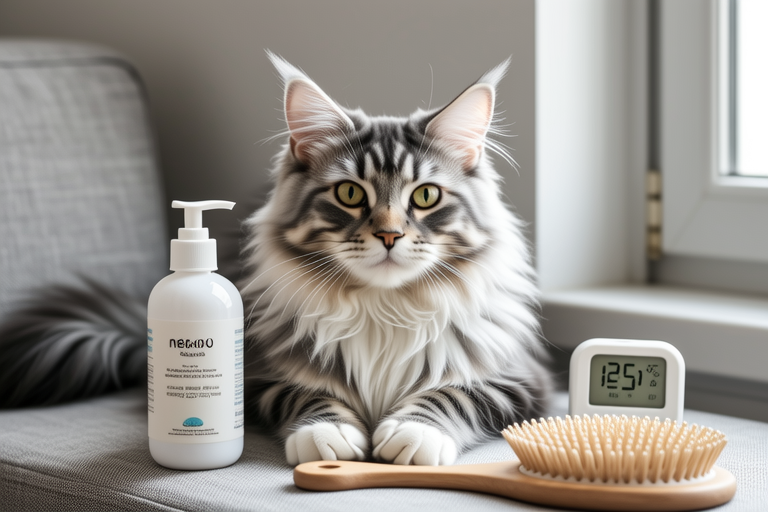
Seasonal changes in Norway significantly affect your pet’s grooming needs.
- Spring: As temperatures rise and animals shed their winter coats, frequent brushing helps remove loose hair. This prevents matting and keeps your pet cooler. Baths can be given more frequently as outdoor activities increase.
- Summer: Keep your pet’s coat clean and hydrated. Use pet-safe sunscreens on exposed areas like noses and ears. Regular brushing continues to be important.
- Fall: Prepare for shedding by increasing brushing frequency. This season also marks the start of indoor activities, so maintaining hygiene becomes crucial.
- Winter: Protect your pet from harsh weather conditions. Apply paw balm to prevent chapped paws and use sweaters or jackets for smaller breeds or those with thin coats. Grooming sessions should focus on keeping fur free of ice and debris.
Regular visits to a professional groomer can also be beneficial, especially if you’re unsure about handling certain grooming tasks yourself.
Legal Requirements for Pet Ownership in Norway
Pet ownership in Norway comes with several legal responsibilities. Familiarizing yourself with these rules is vital to avoid penalties and ensure your pet’s well-being.
- Vaccinations: All dogs must be vaccinated against rabies and other common diseases. Cats are required to be vaccinated against rabies if they spend time outside.
- Licensing: Dogs over six months old must be licensed. Licensing fees vary by municipality and include a microchip implantation and registration process.
- Leashes: Dogs must be kept on a leash in public places unless in designated off-leash areas. This rule applies to all municipalities, ensuring safety for both pets and people.
- Animal Welfare: There are strict laws regarding animal welfare. Owners must provide adequate food, water, shelter, and medical care. Neglecting these responsibilities can lead to severe penalties.
For more detailed information, consult the official Norwegian Food Safety Authority website or contact local authorities.
Advice on Integrating Pets into Norway’s Cultural Environment
Integrating pets into Norwegian society involves understanding local customs and traditions.
- Public Transport: Many Norwegian cities allow pets on buses and trains, provided they are on a leash or in a carrier. Check with local transport providers for specific rules and restrictions.
- Shopping: Some supermarkets and stores in larger cities have pet sections. However, smaller towns may require a trip to specialized pet stores. Online shopping is another option, though shipping times can vary.
- Cultural Events: Participate in local events like dog shows or pet parades. These events offer opportunities to socialize with other pet owners and learn more about Norwegian pet culture.
- Community: Join pet clubs or online forums. These communities can provide support, advice, and companionship. They often organize meet-ups and outings, enhancing your pet’s social life.
Respecting local norms and engaging with the community will make your pet feel more at home in Norway.
Conclusion
Being a responsible pet owner in Norway requires attention to the unique challenges and opportunities presented by the country’s climate, terrain, and culture. By following these tips on nutrition, exercise, grooming, legal compliance, and cultural integration, you can ensure your pet enjoys a fulfilling and healthy life. Remember, every pet is different, so always tailor advice to suit your individual animal’s needs.