
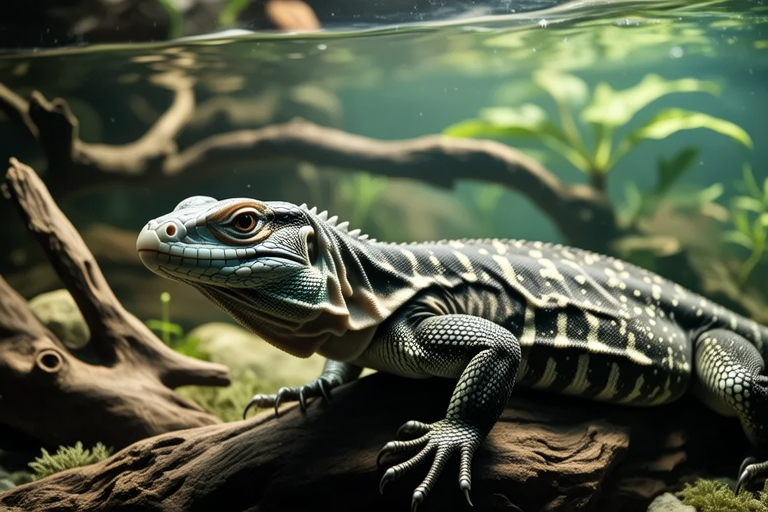
From Jungle to Aquarium: Transforming Your Space for a Thriving Water Monitor
Welcome to the fascinating world of water monitors! These magnificent creatures, native to Southeast Asia, are among the largest lizards in the world. With proper care and attention, you can transform your space into a thriving habitat for a water monitor. This guide will walk you through the essentials of creating a suitable environment, maintaining water quality, providing a balanced diet, addressing common health issues, and ensuring safe handling and bonding.
Habitat Requirements
Creating a suitable habitat for your water monitor is crucial for its well-being. Let’s explore the key factors that contribute to a thriving environment:
Temperature
Water monitors require a warm and humid environment to thrive. The ideal temperature range for a water monitor enclosure is between 85°F and 95°F (29°C to 35°C). You can achieve this by using heat lamps or ceramic heaters, ensuring that there is a temperature gradient within the tank. A basking spot of around 100°F (38°C) should be provided, allowing the monitor to regulate its body temperature effectively.
Humidity
Maintaining adequate humidity levels is vital for water monitors. They require a relative humidity level of 70% to 80%. Utilize misters or automatic humidifiers to maintain these levels, especially if you live in a dry climate. Proper humidity helps prevent respiratory issues and promotes overall health.
Lighting
Proper lighting is essential for the health of your water monitor. UVB lighting is crucial for calcium absorption and overall bone health. Use a high-quality UVB bulb that provides 10% to 12% UVB output. Place the light source approximately 12 to 18 inches from the monitor to ensure it receives sufficient exposure. Replace the bulb every six months, even if it still appears functional, to maintain optimal UVB output.
Tank Size
Adequate space is paramount for the well-being of your water monitor. Juvenile monitors can be housed in smaller enclosures, but as they grow, they require larger tanks. An adult water monitor needs a minimum of 6 feet by 4 feet by 4 feet (1.8 meters by 1.2 meters by 1.2 meters) of tank space. Ensure the tank is tall enough to accommodate the monitor’s climbing habits and has a secure lid to prevent escapes.
Suitable Substrates, Decorations, and Hiding Spots
To create an enriching environment that mimics the water monitor’s natural habitat, consider the following elements:
Substrates
The substrate should be safe, easy to clean, and capable of retaining moisture. Some popular options include coconut fiber, cypress mulch, or reptile-safe bark chips. Avoid substrates that may cause impaction, such as sand or gravel. Regularly clean the substrate to prevent bacterial growth and maintain hygiene.
Decorations
Incorporate various decorations to stimulate your monitor’s natural behaviors. Include branches, driftwood, and rocks for climbing and basking. Floating platforms or logs can provide a resting place for swimming. Ensure all decorations are securely fastened to prevent accidents.
Hiding Spots
Provide multiple hiding spots to allow your monitor to retreat when feeling stressed or during sleep. Caves, hollow logs, and artificial plants make excellent hiding spots. These areas should be spacious enough for the monitor to fully enter and feel secure.
Water Quality Maintenance and Filtration Systems
Water quality is critical for the health of your water monitor. Here are some tips for maintaining pristine water conditions:
Water Quality
Regular water changes are necessary to keep the water clean and free from harmful bacteria. Aim to change 20% to 30% of the water weekly. Use dechlorinated water to avoid chlorine or chloramine toxicity. Invest in a good water testing kit to monitor pH levels, ammonia, nitrite, and nitrate levels.
Filtration Systems
A powerful filtration system is essential for removing waste and maintaining water clarity. Choose a filter that is appropriate for the tank size and water volume. Canister filters or external power filters are recommended for larger tanks. Additionally, consider incorporating a protein skimmer to remove organic waste more efficiently.
Feeding Schedules
Proper nutrition is vital for the growth and health of your water monitor. Feed them a varied diet to ensure they receive all necessary nutrients. Suitable food items include mice, rats, fish, insects, and occasional fruits or vegetables. Offer food daily for juveniles and every other day for adults. Monitor their weight and adjust feeding frequency accordingly.
Common Health Issues and Signs of a Healthy Monitor
Being aware of potential health issues and recognizing signs of a healthy monitor can help you provide the best care possible:
Health Issues
Some common health issues in water monitors include respiratory infections, metabolic bone disease, and parasites. Respiratory infections can manifest as labored breathing, nasal discharge, or lethargy. Metabolic bone disease results from calcium deficiencies and can lead to weak bones, tremors, and difficulty moving. Parasites may cause diarrhea, weight loss, and decreased appetite.
Signs of a Healthy Monitor
A healthy water monitor displays vibrant coloration, active behavior, and a healthy appetite. Their eyes should be clear and alert, and their skin should be smooth without any sores or lesions. Regular veterinary check-ups can help catch potential health issues early.
Tips for Safe Handling and Bonding
Safe handling and bonding are essential for a positive relationship with your water monitor:
Safe Handling
Always handle your water monitor with care and respect. Approach slowly and calmly, avoiding sudden movements. Support the lizard’s body properly to prevent injury. Wash your hands before and after handling to minimize the risk of introducing pathogens.
Bonding
Establish trust and a bond with your monitor through consistent, gentle interactions. Spend time in the same room with your monitor, offering treats, and gradually increasing handling sessions. Patience and consistency are key in building a trusting relationship.
By following these guidelines, you can create a thriving environment for your water monitor and enjoy a rewarding relationship with one of nature’s most captivating creatures.