
Adventures with Arachnids: Life as a Chilean Rose Tarantula Owner
Welcome to the fascinating world of arachnids! If you’re considering adopting a Chilean rose tarantula, or if you’ve already taken the plunge and are looking for some guidance, this article is for you. In this piece, we’ll explore the joys and responsibilities of owning a Chilean rose tarantula, share some personal experiences, debunk common myths, and provide essential tips for first-time owners. Let’s dive into the captivating universe of these incredible creatures.
The Allure of the Chilean Rose Tarantula
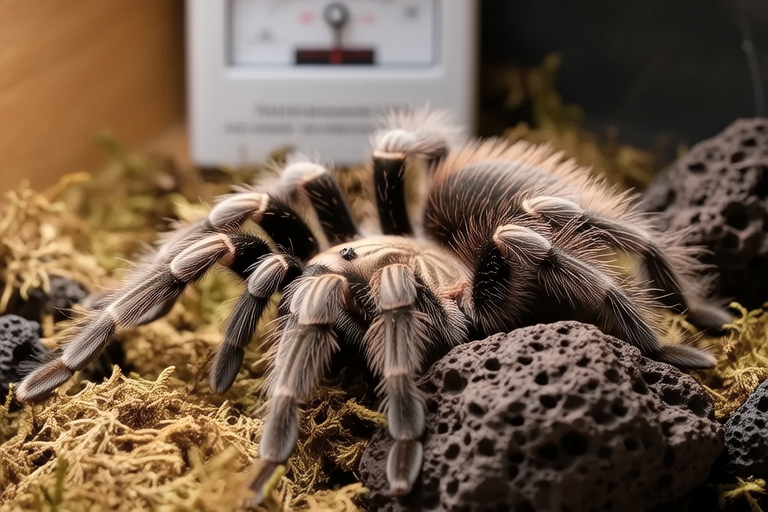
The Chilean rose tarantula (Grammostola rosea) is a popular choice among tarantula enthusiasts due to its docile nature, manageable size, and striking appearance. These spiders are native to the deserts of South America, where they thrive in warm, dry conditions. Their name comes from the pinkish hue that often appears on their carapace, though not all individuals display this coloration. Despite their intimidating appearance, Chilean rose tarantulas are generally calm and make excellent pets for those who are willing to take on the responsibility of caring for them.
Personal Experiences
My journey with my Chilean rose tarantula, named Rosie, began when I was looking for a low-maintenance pet that would bring me joy without demanding too much attention. From the moment I brought her home, I was captivated by her grace and the unique way she interacted with her environment. Watching her navigate her enclosure, build webs, and occasionally shed her skin has been a delightful experience. The bond between owner and pet is something special, especially when it involves an animal as fascinating as a tarantula.
Tips for First-Time Owners
Before bringing your new friend home, there are several important considerations to keep in mind:
- Research thoroughly: Understanding the specific needs of your tarantula is crucial. This includes learning about their diet, habitat requirements, and behavior patterns.
- Prepare the right habitat: A well-designed enclosure is key to your tarantula’s health and happiness. Ensure it has adequate ventilation, appropriate substrate, and hiding spots.
- Handle with care: While Chilean rose tarantulas are generally docile, they can become stressed if handled improperly. Always support their body and avoid sudden movements.
- Monitor temperature and humidity: Maintaining the correct environmental conditions is vital for your tarantula’s well-being. Aim for temperatures between 75°F and 85°F and humidity levels around 60-80%.
Common Myths About Tarantulas
There are many misconceptions surrounding tarantulas, which can deter potential owners. Let’s address some of the most common myths:
- They’re dangerous: While tarantulas have venom, it’s typically mild and poses little threat to humans. Most species, including the Chilean rose, prefer to flee rather than fight.
- They require constant attention: Unlike dogs or cats, tarantulas are solitary animals that don’t need frequent interaction. However, regular observation can help you monitor their health and well-being.
- They live short lives: Contrary to popular belief, tarantulas can live for many years. With proper care, a Chilean rose tarantula can reach an age of 10-15 years or more.
Unique Characteristics of Chilean Rose Tarantulas
Chilean rose tarantulas possess several traits that make them stand out as pets:
- Solitary nature: They prefer living alone, which means they don’t require the company of other tarantulas.
- Docile temperament: Their calm demeanor makes them ideal for beginners.
- Distinctive appearance: Their pinkish hue and robust bodies make them visually appealing.
- Behavioral quirks: They may flick urticating hairs when threatened, but this is usually a last resort.
Care Requirements
Proper care is essential to ensure your Chilean rose tarantula thrives. Here are some key aspects to consider:
Housing
A suitable enclosure provides a safe and comfortable space for your tarantula. A glass tank with a secure lid is recommended. The tank should be large enough to allow your tarantula to move freely and include a variety of hiding spots. A layer of coconut fiber or similar substrate at least two inches deep will help maintain the required humidity levels.
Diet
Feeding your tarantula a balanced diet is crucial. Younger tarantulas can be fed small insects like crickets or mealworms every few days, while adults may only require food once a week. Ensure that any prey items are appropriately sized; too large, and they could injure your tarantula.
Environmental Conditions
Maintaining the correct temperature and humidity is vital. Use a thermometer and hygrometer to monitor these levels regularly. Provide a shallow water dish for hydration, and mist the enclosure occasionally to raise humidity if necessary.
Ensuring a Healthy Environment
To keep your tarantula healthy, it’s important to create an environment that mimics its natural habitat as closely as possible. Regular cleaning of the enclosure, checking for signs of illness, and providing a varied diet are all part of good care practices. Additionally, observing your tarantula’s behavior can give you valuable insights into its health and well-being.
The Bond Between Owner and Pet
Despite their solitary nature, many owners find that a strong bond can develop between themselves and their tarantulas. Observing your tarantula’s daily routines, understanding its preferences, and ensuring its comfort can lead to a rewarding relationship. While tarantulas won’t respond to commands like a dog might, they can still recognize and react to their owners, making each interaction unique and meaningful.
Responsibilities Involved
Owning a Chilean rose tarantula comes with significant responsibilities. It’s important to be prepared for the commitment involved, including providing proper care, monitoring health, and being patient. While tarantulas may not require the same level of interaction as other pets, they still need attentive and loving owners who are willing to invest time and effort into their well-being.
Conclusion
Owning a Chilean rose tarantula can be a rewarding and enriching experience. By understanding their unique needs and characteristics, you can provide a nurturing environment that allows your pet to thrive. Whether you’re a seasoned enthusiast or a curious beginner, taking on the responsibility of caring for a tarantula can lead to a deeper appreciation of these fascinating creatures. So, if you’re ready for an adventure with arachnids, welcome to the wonderful world of tarantula ownership!