
Unleashing the Mystique of the Chilean Rose Tarantula: The Perfect Pet for Arachnophiles
The world of exotic pets is vast and varied, but one creature that stands out for its unique charm and gentle nature is the Chilean rose tarantula (Grammostola rosea). This spider, native to the deserts of South America, has captivated the hearts of many, making it a popular choice among both novice and seasoned arachnophiles. In this article, we will delve into the mystique of the Chilean rose tarantula, exploring its suitability as a pet, care requirements, fascinating behaviors, and the rewarding experience of owning one.
A Gentle Giant with Unique Charm
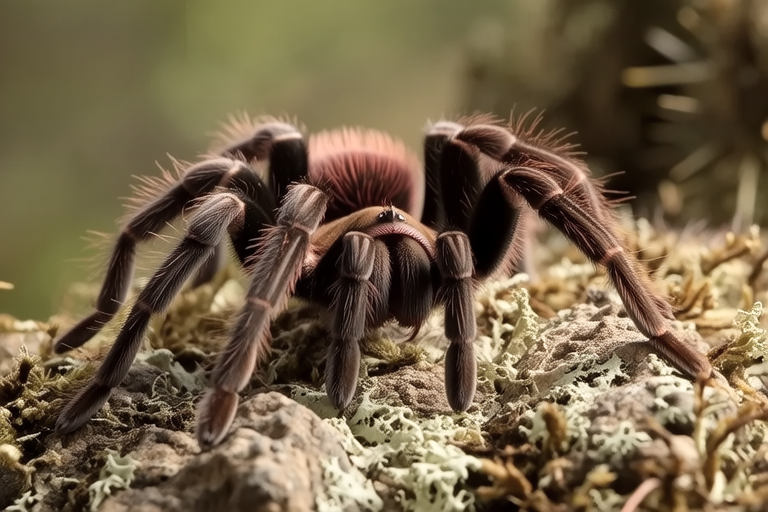
The Chilean rose tarantula is often referred to as the ‘gentle giant’ of the tarantula world. With its soft, velvety fur and striking pinkish-brown coloration, it is a visually captivating creature. Despite its intimidating appearance, this tarantula is remarkably docile and rarely aggressive. This makes it an ideal pet for beginners who are just venturing into the world of exotic animals, as well as for experienced arachnophiles looking for a low-maintenance companion.
Care Requirements
Habitat Setup
Creating a suitable habitat for your Chilean rose tarantula is crucial for its health and happiness. A 10-gallon tank is sufficient for an adult tarantula, though larger enclosures can be beneficial for more spacious living. The substrate should consist of coconut fiber or a mix of soil and peat moss, ensuring it is at least three inches deep to allow for burrowing. Temperature and humidity levels are also important; aim for temperatures between 75°F and 85°F, and maintain a humidity level of around 60% to 70%. Providing a hide spot, such as a cork bark or half-log, is essential for the tarantula’s comfort and stress reduction.
Diet
Feeding your Chilean rose tarantula is relatively straightforward. Insects such as crickets, mealworms, and dubia roaches make up the bulk of their diet. Juvenile tarantulas can be fed once or twice a week, while adults require feeding every two weeks. It is important to gut-load the feeder insects with nutritious food before offering them to your tarantula to ensure optimal health.
Handling Tips
While the Chilean rose tarantula is generally docile, handling should be approached with caution. Always wash your hands before and after handling to prevent the transfer of oils or chemicals that could harm the tarantula. Gently place your hand in front of the tarantula, allowing it to walk onto your hand. Avoid grabbing or squeezing the tarantula, as this can cause stress or injury. Regular, gentle handling can help your tarantula become more accustomed to human interaction.
Fascinating Behaviors and Characteristics
Coloration
The Chilean rose tarantula’s name comes from its distinctive pinkish-brown coloration, which resembles a rose. Its body is covered in fine hairs that give it a soft, fuzzy appearance. These hairs serve multiple purposes, including sensory perception and defense. When threatened, the tarantula may flick these hairs at a predator, causing irritation and discomfort.
Defensive Mechanisms
In addition to hair-flicking, the Chilean rose tarantula has other defensive strategies. If provoked, it may rear up on its hind legs, displaying its fangs and injecting venom into its prey. However, its venom is mild and not harmful to humans. Another defense mechanism is playing dead, where the tarantula will lie motionless until the threat passes.
Selecting a Healthy Tarantula
When choosing a Chilean rose tarantula, it is important to select a healthy individual. Look for clear, bright eyes and a plump abdomen. Avoid any tarantulas with missing limbs, open wounds, or signs of mite infestation. It is advisable to purchase from reputable breeders or pet stores that prioritize the health and well-being of their animals.
Creating a Stimulating Environment
To keep your Chilean rose tarantula engaged and active, provide a variety of enrichment activities. Introduce new objects, such as branches or rocks, to stimulate exploration. Ensure there are multiple hiding spots and climbing structures to mimic natural environments. Regularly clean the enclosure and monitor temperature and humidity levels to maintain optimal conditions.
The Rewarding Experience of Owning a Chilean Rose Tarantula
Owning a Chilean rose tarantula can be a deeply rewarding experience. Watching your tarantula interact with its environment, burrow, and hunt provides a unique connection to the natural world. These spiders are not only fascinating to observe but also offer companionship without the demands of other pets. By providing proper care and attention, you can ensure your tarantula lives a long and healthy life.
Dispelling Common Myths
One common myth about tarantulas is that they are dangerous pets. While all tarantulas have venom, the venom of the Chilean rose tarantula is mild and not harmful to humans. Another misconception is that tarantulas require constant interaction. In reality, tarantulas are solitary creatures that prefer to spend most of their time alone. It is important to respect their need for privacy and avoid over-handling.
In conclusion, the Chilean rose tarantula is a captivating and gentle pet that offers a unique and rewarding experience for arachnophiles. By understanding their care requirements, behaviors, and needs, you can provide a stimulating and enriching environment for your tarantula. Embrace the mystique of the Chilean rose tarantula and enjoy the wonders of these remarkable creatures.