
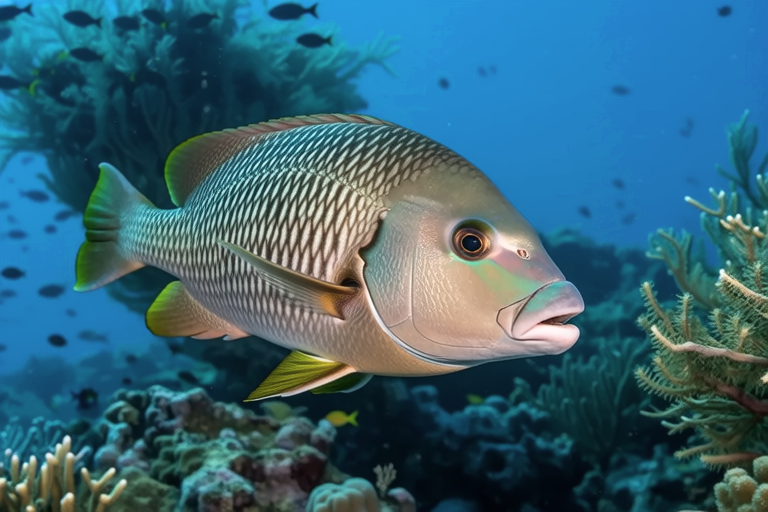
Parrot Fish: The Ultimate Guide for Marine Enthusiasts and Pet Lovers
Welcome to the ultimate guide on parrot fish! Whether you’re a seasoned aquarist or a curious novice, this comprehensive article will provide you with all the essential information about these vibrant and fascinating creatures. From their natural habitats to dietary needs and ideal tank setups, we’ve got you covered. Let’s dive into the world of parrot fish!
The Natural Habitat of Parrot Fish
Parrot fish are native to tropical and subtropical waters around the world, primarily found in the Pacific and Atlantic Oceans. They inhabit coral reefs, lagoons, and rocky coastal areas. These environments offer a rich supply of food, shelter, and breeding grounds for these colorful fish.
Parrot fish play a crucial role in their ecosystems by grazing on algae and coral polyps, helping to maintain the health of the reef. Their presence contributes significantly to the biodiversity of coral reefs, making them vital for the survival of many other marine species.
Diet Requirements
In the wild, parrot fish feed on algae and small invertebrates that live on coral reefs. However, when kept in captivity, it’s important to replicate their natural diet as closely as possible to ensure optimal health. A balanced diet for parrot fish typically includes:
- Algae-based flakes or pellets
- Frozen or freeze-dried brine shrimp
- Frozen or freeze-dried krill
- Seaweed sheets or spirulina
It’s essential to vary their diet to provide a wide range of nutrients. Additionally, offering occasional treats like fresh vegetables such as zucchini, cucumber, or spinach can enhance their nutritional intake.
Ideal Tank Setup for Keeping Parrot Fish
Creating a suitable environment for parrot fish requires careful consideration of several factors, including tank size, filtration, lighting, and substrate. Here’s what you need to know:
Tank Size
Parrot fish are active swimmers and require ample space to thrive. For a single adult parrot fish, a minimum tank size of 75 gallons is recommended. Larger tanks are preferable for multiple fish, as they allow for more swimming room and reduce stress.
Filtration
Effective filtration is crucial for maintaining water quality in a parrot fish tank. Choose a filter that can handle at least four to six times the volume of the tank per hour. This ensures efficient removal of waste and excess nutrients, preventing harmful build-ups.
Lighting
Proper lighting is essential for simulating natural daylight cycles and promoting healthy growth. Use full-spectrum LED lights that mimic sunlight, and aim for approximately 8-10 hours of light daily. Be sure to include a timer to automate the lighting schedule.
Substrate
A sandy bottom is ideal for parrot fish, as they often sift through the substrate while feeding. Fine-grade aragonite sand is preferred due to its chemical stability and ability to buffer the pH level of the water. Avoid sharp or rough substrates that could injure their delicate mouths.
Common Health Issues
Like any aquatic creature, parrot fish can be susceptible to various health issues. Early detection and prompt treatment are key to maintaining their well-being. Some common health problems include:
- Ich (Ichthyophthirius multifiliis): A parasitic infection characterized by white spots on the fish’s body. It can be treated with over-the-counter medications.
- Bloat: Caused by overfeeding or poor water quality. Symptoms include swelling of the abdomen and lethargy. Adjusting feeding habits and improving water conditions usually resolves the issue.
- Fin Rot: A bacterial infection that causes the fins to fray and decay. Maintaining good water quality and using antibiotics can help treat this condition.
Regular monitoring of your parrot fish’s behavior and physical appearance is vital for early detection of any potential health issues. If you notice any unusual symptoms, consult a veterinarian specializing in marine life for proper diagnosis and treatment.
Behavioral Insights
Parrot fish exhibit unique behaviors that make them interesting companions for aquarium owners. They are generally peaceful but may become territorial if space is limited. Providing ample hiding spots and ensuring adequate swimming room can minimize territorial disputes.
One of the most fascinating aspects of parrot fish is their ability to change color and pattern. This phenomenon, known as color shifting, allows them to blend into their surroundings or communicate with other fish. Understanding and respecting these natural behaviors can enhance the overall experience of keeping parrot fish.
Tips for Maintaining a Healthy Environment
Maintaining a healthy environment for your parrot fish involves regular maintenance and attention to detail. Follow these tips to ensure your fish thrive:
Water Quality
Regular water changes are crucial for maintaining optimal water quality. Perform partial water changes of about 10-15% every week, increasing the frequency during periods of high fish activity or stress. Always use a dechlorinator to remove harmful chemicals from tap water.
Temperature and Salinity
Parrot fish prefer water temperatures between 75°F and 82°F (24°C and 28°C). Use a reliable heater and thermometer to monitor and regulate the temperature. Maintain a salinity level of 1.020-1.025 specific gravity using a hydrometer.
Feeding Schedule
Establish a consistent feeding schedule to avoid overfeeding. Feed your parrot fish two to three times daily, offering only as much food as they can consume within a few minutes. Remove any uneaten food promptly to prevent water pollution.
Advice for New and Experienced Aquarists
Whether you’re new to the hobby or have years of experience, there are always ways to improve your approach to caring for parrot fish. Here are some valuable tips:
New Aquarists
If you’re just starting out, consider keeping one parrot fish initially to get accustomed to their care requirements. Gradually introduce additional fish once you feel confident in maintaining a stable environment. Take time to learn about water chemistry and filtration systems before adding more complex elements to your tank.
Experienced Aquarists
For those with more experience, consider creating a reef tank with parrot fish. This setup provides a more natural environment and offers opportunities for advanced aquascaping techniques. Regularly test water parameters and monitor fish behavior to anticipate and address potential issues proactively.
Conclusion
Parrot fish are captivating creatures that bring vibrant color and unique behaviors to any aquarium. By understanding their natural habitat, dietary needs, and ideal tank setup, you can create a thriving environment for these beautiful fish. Remember to stay vigilant about water quality, maintain a balanced diet, and provide ample space for swimming and exploration. With proper care and attention, your parrot fish will flourish and bring joy to your home for years to come.