
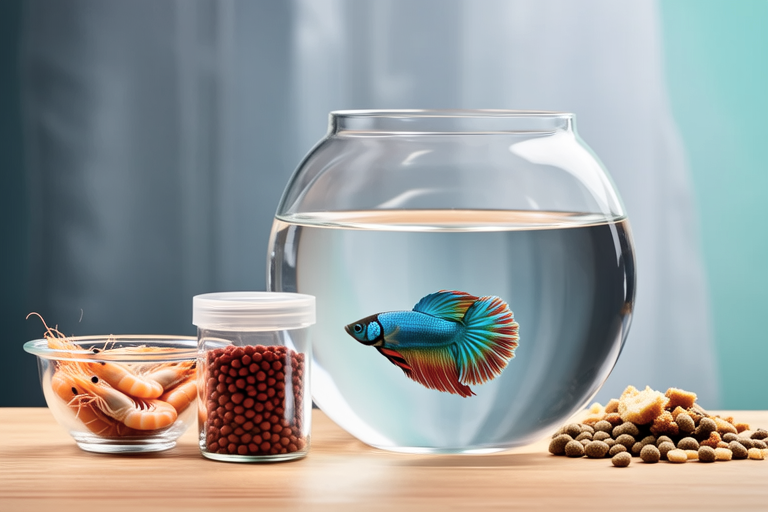
The Ultimate Betta Diet Breakdown: Foods to Feed, Foods to Avoid
Welcome to the world of betta care! Proper nutrition is fundamental to keeping your betta fish healthy and vibrant. A well-balanced diet ensures they thrive in their aquatic environment, promoting longevity and preventing diseases. Understanding what constitutes a nutritious diet for your betta can be overwhelming, but this guide aims to simplify it by breaking down the essentials, beneficial foods, and those you should avoid.
Understanding the Nutritional Needs of Bettas
Bettas, like all animals, require a variety of nutrients to maintain optimal health. Key nutrients include proteins, fats, vitamins, and minerals. Proteins are vital for muscle development and repair, while fats provide energy and support the absorption of fat-soluble vitamins. Vitamins and minerals are crucial for overall health, immune function, and growth.
Foods to Feed Your Betta
Live Foods
Brine Shrimp: Brine shrimp are rich in protein and omega-3 fatty acids, which are essential for bettas’ skin and eye health. They are particularly beneficial during breeding periods, enhancing the coloration of bettas.
Blackworms: Blackworms offer high-quality protein and are easier for bettas to digest compared to other live foods. They also help stimulate the natural hunting behavior of bettas.
Daphnia: Daphnia is another excellent live food option, providing a mix of proteins and essential fatty acids. It’s particularly good for younger bettas and those recovering from illness.
Frozen Foods
Brine Shrimp: Frozen brine shrimp are a convenient alternative to live ones, retaining most of their nutritional value. They are easy to store and provide similar benefits as live brine shrimp.
Mysis Shrimp: Mysis shrimp are rich in carotenoids, which enhance the coloration of bettas. They also contain high levels of protein and omega-3 fatty acids, supporting overall health.
Daphnia: Similar to live daphnia, frozen daphnia provides a good balance of proteins and essential nutrients, making them a great choice for regular feeding.
Pellet Foods
Sinking Pellets: Sinking pellets are designed to sink to the bottom of the tank, mimicking natural feeding behaviors. They are fortified with vitamins and minerals, ensuring a balanced diet.
Floating Pellets: Floating pellets are suitable for bettas who prefer to eat at the water surface. They are typically made from high-quality ingredients and are formulated to meet the dietary needs of bettas.
Color Enhancing Pellets: These pellets are specially formulated to enhance the vibrant colors of bettas. They contain additional pigments and nutrients that contribute to better coloration.
Foods to Avoid Feeding Your Betta
While there are many foods that are beneficial, some should be avoided to prevent harm to your betta.
Human Food
Vegetables: While some vegetables like peas are occasionally recommended for digestive issues, most vegetables are unsuitable for bettas. They lack the necessary nutrients and can cause bloating or digestive blockages.
Fruits: Fruits should never be fed to bettas. They can lead to digestive problems and alter the pH balance of the water.
Cheese and Dairy Products: Cheese and dairy products can cause severe digestive issues in bettas due to their inability to digest lactose.
Processed Human Foods
Chips and Snacks: Processed snacks like chips contain high levels of salt, artificial flavors, and preservatives, which are harmful to bettas.
Sugary Foods: Sugary foods can lead to obesity and other health issues in bettas. They also contribute to poor water quality.
Tips for Balanced Feeding
Feeding your betta a balanced diet involves variety and moderation. Here are some tips to ensure your betta receives optimal nutrition:
- Variety: Rotate between different types of food to provide a wide range of nutrients.
- Portion Control: Overfeeding can lead to obesity and poor water quality. Feed your betta only what they can consume within a few minutes.
- Frequency: Feed adult bettas once or twice daily, while younger bettas may need more frequent feedings.
- Water Quality: Monitor water quality closely after feeding to ensure no excess food remains in the tank, leading to contamination.
Signs of a Healthy Diet in Bettas
A healthy diet will manifest in several ways:
- Vibrant Coloration: A well-fed betta will display bright, vibrant colors.
- Healthy Appetite: A healthy betta will show interest in food and consume it eagerly.
- Energetic Behavior: A healthy betta will swim actively and exhibit natural behaviors such as flaring their fins.
- Clear Eyes and Scales: Healthy bettas have clear eyes and smooth, shiny scales.
In conclusion, understanding the nutritional needs of your betta and providing a balanced diet is crucial for their well-being. By incorporating beneficial foods and avoiding harmful ones, you can ensure your betta leads a long, healthy life. Always observe your betta’s behavior and appearance to gauge the effectiveness of their diet. With the right knowledge and care, you can keep your betta thriving in their aquatic home.