
Betta Behavior Decoded: Understanding Your Finny Friend
Welcome to the fascinating world of bettas! These vibrant, lively fish have captured the hearts of many pet enthusiasts with their unique personalities and striking appearances. Bettas, also known as Siamese fighting fish, are a popular choice for aquariums due to their ease of care and beautiful colors. However, what truly sets them apart is their distinct behaviors that can tell us a lot about their mood, health, and well-being. This article will guide you through understanding your finny friend’s behaviors, helping you become a more informed and attentive betta owner.
Distinct Behaviors of Bettas
Bettas exhibit a range of behaviors that make them intriguing companions. One of the most noticeable behaviors is gill flaring. When a betta flares its gills, it is often a sign of aggression or stress. This behavior is commonly seen when another fish enters the betta’s territory or during mating displays. The fish expands its gill covers to appear larger and more intimidating. While this may seem aggressive, it is primarily a defensive mechanism to ward off potential threats.
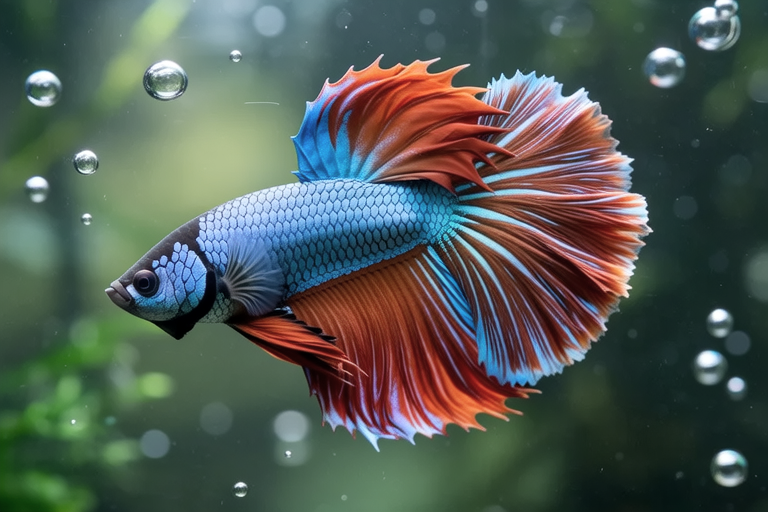
Another captivating aspect of betta behavior is their ability to display vibrant colors. Bettas are known for their stunning hues ranging from deep blues and purples to fiery reds and electric greens. These colors are not just for show; they play a crucial role in communication. Males, especially, use their vibrant colors to attract mates and intimidate rivals. Female bettas also display bright colors but typically in a less pronounced manner. Watching your betta showcase its colors can be a delightful experience, and it’s a testament to their health and vitality.
Territorial behavior is another key trait of bettas. These fish are naturally solitary and prefer to have their own space. They establish and defend territories within their aquarium, which can sometimes lead to conflicts if another fish invades their area. It’s important to provide ample hiding spots and plants to reduce territorial disputes. By doing so, you create a peaceful environment where your betta can thrive without feeling constantly threatened.
Signs of Stress or Illness Through Behavior Changes
Understanding your betta’s normal behavior is essential for recognizing signs of stress or illness. Changes in behavior can indicate that something might be wrong. For instance, if your usually active betta suddenly becomes lethargic and spends most of its time at the bottom of the tank, it could be a sign of poor water quality or a health issue. Similarly, if your betta stops eating or shows signs of labored breathing, these could be indicators of stress or disease.
Another behavior change to watch out for is excessive scratching or rubbing against objects in the tank. This could be a sign of parasites or infections. Bettas may also display clamped fins, where the fins remain folded close to the body instead of swimming freely. This behavior can be a result of stress or physical discomfort. If you notice any of these signs, it’s important to take action promptly. Test your water parameters, ensure the tank is clean, and consider consulting a veterinarian specializing in fish if necessary.
Interacting Safely and Effectively with Your Betta
Interacting with your betta can be a rewarding experience, but it requires careful handling. Bettas are delicate creatures, and improper handling can cause harm. Always use a soft net when moving your betta, and avoid touching them directly. Bettas have very sensitive skin, and even slight pressure can cause damage.
To bond with your betta, you can engage in gentle feeding sessions. Bettas are intelligent and can learn to recognize their owners. Try offering food from your hand or near the surface of the tank, allowing your betta to associate you with positive experiences. Over time, your betta may become more responsive and even come to the front of the tank when they see you approaching.
It’s also important to maintain a consistent routine. Bettas thrive on predictability, and having a regular schedule for feeding and cleaning can help reduce stress. Spend a few minutes each day observing your betta, noting any changes in behavior or appearance. This will help you stay attuned to their needs and respond quickly to any issues that arise.
Maintaining a Healthy Environment for Your Betta
The key to a long and happy life for your betta lies in providing a healthy and stimulating environment. Start by ensuring that the water parameters are optimal. Bettas prefer slightly acidic water with a pH between 6.8 and 7.2. The temperature should be maintained between 76 and 82 degrees Fahrenheit (24 to 28 degrees Celsius). Regular water changes, ideally 25% every week, are essential to keep the water clean and free from harmful substances.
In addition to water quality, the physical environment of the tank plays a significant role in your betta’s well-being. Provide plenty of hiding spots, such as caves or plants, to give your betta a sense of security. Floating plants are particularly beneficial as they mimic natural environments and provide shade. Ensure there is adequate space for your betta to swim around freely, avoiding overcrowded tanks that can lead to stress and aggression.
Feeding your betta a balanced diet is equally important. High-quality betta pellets or flakes are excellent choices, but you can also offer occasional treats like bloodworms or brine shrimp. Avoid overfeeding, as excess food can deteriorate water quality. A good rule of thumb is to feed your betta twice a day, offering only what they can consume within two minutes.
Lastly, consider the lighting conditions in your tank. Bettas need a light cycle that mimics natural day and night patterns. Provide 8 to 12 hours of light per day, and ensure the tank is not exposed to direct sunlight, which can lead to rapid algae growth and overheating. Proper lighting helps regulate your betta’s circadian rhythm, promoting better overall health.
Conclusion
Understanding your betta’s behavior is the first step towards becoming a responsible and loving pet owner. From gill flaring and vibrant color displays to territorial behavior and signs of stress, each action provides valuable insights into your betta’s well-being. By interacting safely and effectively, and maintaining a healthy environment, you can ensure that your finny friend leads a long, happy life. With patience, care, and attention, you and your betta can form a strong bond that brings joy to both of you. Happy fishkeeping!