
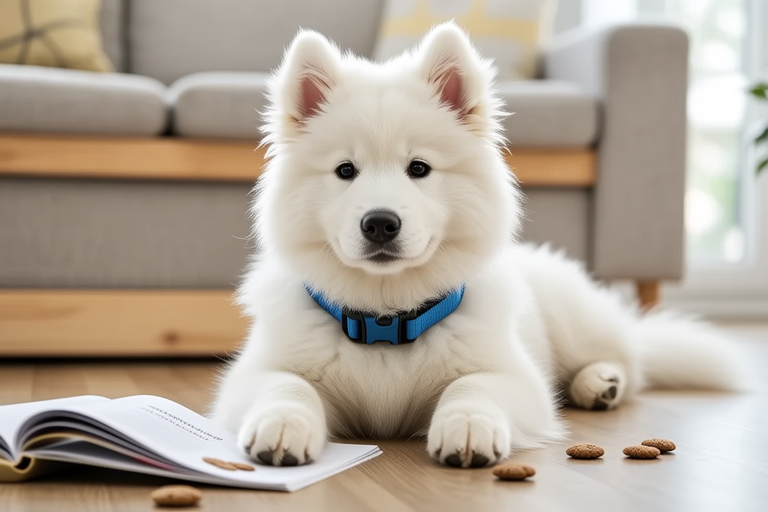
How to Train a Samoyed: From Puppy to Perfect Companion
Welcome to the world of Samoyeds! These fluffy, intelligent dogs have been companions for centuries, known for their gentle nature and loyalty. Samoyeds are not just beautiful; they are also highly social and intelligent, which makes them ideal candidates for training. Training your Samoyed can be a rewarding process that strengthens the bond between you and your pet while ensuring a well-behaved and happy dog. This guide will walk you through the steps from puppyhood to adulthood, offering practical advice and tips to help you raise a perfect companion.
Understanding Your Samoyed’s Intelligence and Social Nature
Samoyeds are known for their striking white coats and friendly demeanor. They are incredibly intelligent, which means they can learn commands quickly but also require mental stimulation to prevent boredom. Their social nature makes them great family pets, as they enjoy being around people and other animals. However, this same social instinct can sometimes lead to challenges, such as excessive barking or jumping, if not properly managed. Understanding these traits is key to effective training.
Basic Training Techniques
The foundation of any successful training program is basic obedience commands. Commands like ‘sit,’ ‘stay,’ ‘come,’ and ‘leave it’ are essential for controlling your Samoyed’s behavior. Start training early, ideally when your Samoyed is still a puppy, to take advantage of their natural eagerness to learn. Use treats and praise as rewards to encourage desired behaviors. Keep sessions short and fun, no more than 10-15 minutes at a time, to maintain your dog’s interest.
Begin with simple commands like ‘sit.’ Hold a treat above your Samoyed’s head, allowing its nose to follow the treat up, which naturally causes the dog to sit. As soon as they sit, give them the treat and praise them enthusiastically. Gradually reduce the frequency of treats as your Samoyed learns the command, eventually phasing out treats altogether.
‘Stay’ is another crucial command. Start by having your Samoyed sit, then hold out your hand and say ‘stay.’ Take a few steps back, then return and reward your dog if it has stayed put. Increase the distance and duration over time as your Samoyed masters the command.
‘Come’ is one of the most important commands, especially for safety reasons. Use a long leash initially to practice in a safe area. Call your Samoyed by name followed by ‘come,’ and reward them with a treat and praise when they reach you. Be consistent and patient, as some dogs may need more time to understand.
Housebreaking Tips
Accidents happen, but with patience and consistency, your Samoyed can be housebroken. Establish a routine early on, taking your puppy outside after meals, naps, playtime, and anytime they show signs of needing to go. Choose a specific spot for them to relieve themselves and take them there each time. Praise them generously when they eliminate outside, reinforcing the desired behavior.
If accidents occur indoors, clean the area thoroughly with an enzymatic cleaner to remove any scent that might attract your Samoyed back to the same spot. Never punish your dog for accidents; instead, redirect them to the appropriate outdoor location.
Socialization Methods
Socialization is critical for Samoyeds, given their friendly and outgoing nature. Expose your Samoyed to various environments, people, and other animals from an early age. This helps them become comfortable and well-adjusted adults. Introduce them to different situations gradually, ensuring each experience is positive. For example, take them to parks, introduce them to friends, and allow them to meet other dogs under controlled conditions.
Dogs learn from their environment, so it’s essential to set them up for success. Avoid overwhelming your Samoyed with too many new experiences at once. Instead, build up their confidence slowly, ensuring each encounter is positive and enjoyable.
Common Behavioral Issues and Solutions
Despite their intelligence and good nature, Samoyeds can exhibit some challenging behaviors. Excessive barking, chewing, and jumping are common issues that can be addressed with proper training and management.
Barking can be a problem, especially if left unchecked. Teach your Samoyed a ‘quiet’ command by saying ‘quiet’ and rewarding them when they stop barking. Consistency is key here, so make sure everyone in the household uses the same command.
Chewing is another issue, often stemming from teething or boredom. Provide plenty of appropriate chew toys and rotate them regularly to keep your Samoyed interested. Supervise your Samoyed closely during playtime to discourage chewing on inappropriate items.
Jumping can be a challenge, particularly when greeting people. Teach your Samoyed to sit before being greeted. If they jump, turn away and ignore them until they settle down. Once they are calm, offer praise and a treat for sitting politely.
Maintaining Training Consistency and Using Positive Reinforcement
Consistency is crucial in training your Samoyed. All members of the household should use the same commands and follow the same rules. Inconsistent commands can confuse your dog and undermine your efforts. Positive reinforcement is the best approach, rewarding desired behaviors with treats, praise, or play. This method encourages good behavior without causing stress or fear in your Samoyed.
Be patient and persistent. Training takes time, and setbacks are normal. Each dog learns at its own pace, so adjust your expectations accordingly. Celebrate small victories and stay committed to the process.
The Importance of Patience and the Rewarding Experience of Raising a Well-Trained Samoyed
Raising a well-trained Samoyed is a rewarding experience that requires patience and dedication. With the right approach, your Samoyed can grow into a loyal, well-behaved companion. The bond you build through training will last a lifetime, providing joy and companionship for both you and your pet.
Remember, every dog is unique, and what works for one may not work for another. Stay flexible and adapt your training methods as needed. By investing time and effort into training your Samoyed, you’ll create a harmonious relationship built on trust and mutual respect.
In conclusion, training your Samoyed is a journey that brings both challenges and rewards. With the right techniques, patience, and positive reinforcement, you can raise a well-behaved, loving companion. Embrace the process, and enjoy the wonderful experience of sharing your life with a Samoyed.