
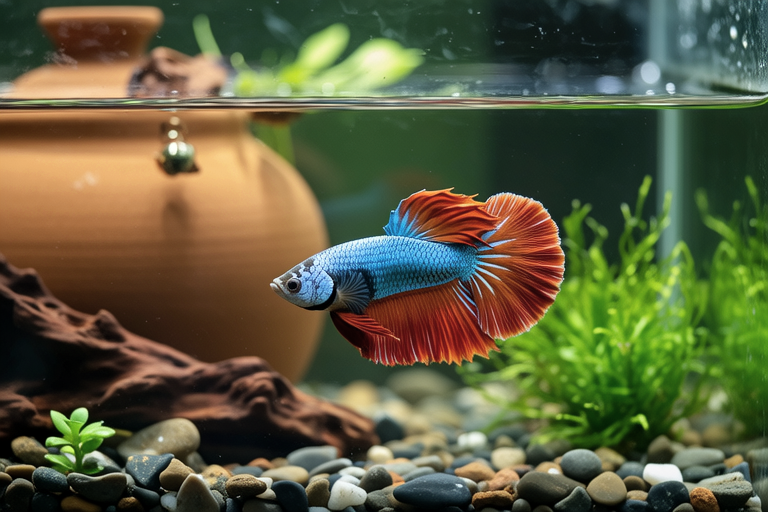
DIY Aquascaping Ideas to Make Your Betta’s Home Stand Out
Introduction:
Creating a well-designed aquarium is crucial for the health and happiness of your betta fish. A properly aquascaped tank provides a stimulating environment that mimics their natural habitat, promoting better behavior and overall well-being. Not only does a well-thought-out layout enhance the aesthetic appeal of your home, but it also ensures optimal water conditions for your aquatic companions. This guide will walk you through the basics of aquascaping, offering beginner-friendly principles, substrate and plant selection, and step-by-step instructions for various popular styles.
Basic Aquascaping Principles Suitable for Beginners
Before diving into specific aquascaping styles, it’s essential to understand some fundamental principles. The first principle is balance, which involves distributing elements evenly throughout the tank to avoid overcrowding or underutilization of space. Symmetry can be achieved by mirroring elements on either side of the tank, while asymmetry adds visual interest and a more natural look. Another key aspect is perspective, where objects closer to the front appear larger, creating depth and dimension. Lastly, consider the flow of the viewer’s eye; strategically place elements to guide the gaze around the tank in a pleasing manner.
Types of Substrate Ideal for Betta Tanks
Selecting the right substrate sets the foundation for your aquascape. Gravel substrates come in various sizes and colors, offering both functional and aesthetic benefits. Smaller gravels work well for fine details, whereas larger pebbles provide a more rustic appearance. Sand substrates are excellent for planting, allowing roots to anchor securely. However, they may not be suitable if you have a gravel vacuum cleaner, as sand can clog the system. Crushed coral is another option, enriching the water with calcium carbonate, which helps maintain pH levels.
Variety of Plant Options That Are Both Decorative and Beneficial for Water Quality
Incorporating live plants into your betta’s tank not only beautifies the environment but also improves water quality by absorbing nutrients and producing oxygen. Anacharis, with its lush green leaves, thrives in most aquariums and requires minimal maintenance. Java fern, known for its hardiness, can grow attached to rocks or driftwood without needing soil. Hornwort, another robust choice, floats freely and provides hiding spots for bettas. Additionally, Amazon swords offer a striking contrast with their broad leaves, adding structure to the tank.
Step-by-Step Instructions for Creating Different Aquascape Styles
Iwagumi Style
- Choose a focal point: Select one or two large stones to serve as the centerpiece of your aquascape.
- Arrange supporting stones: Place smaller stones around the focal point to create a balanced composition.
- Add substrate: Use fine gravel or sand to fill gaps between stones, ensuring stability.
- Incorporate plants: Introduce low-maintenance species like java moss or java fern to accentuate the rock formations.
- Final touches: Add driftwood or small caves for added texture and interest.
Dutch Style
- Select a variety of plants: Choose plants with contrasting leaf shapes and colors to create a vibrant display.
- Layer planting: Arrange taller plants at the back, medium-sized ones in the middle, and shorter varieties upfront.
- Fill gaps: Use ground cover plants like dwarf hairgrass to fill any remaining spaces.
- Accentuate with decorations: Add smooth river rocks or driftwood pieces for extra visual appeal.
Jungle Theme
- Pick dense foliage: Opt for thick-leaved plants like cryptocoryne or vallisneria to simulate a dense forest.
- Integrate driftwood: Incorporate twisted branches and roots to mimic tree trunks and roots.
- Enhance with caves: Add hollow structures for hiding places and additional character.
- Highlight with lighting: Use dim lighting to evoke a serene atmosphere, similar to dappled sunlight filtering through trees.
Tips on Adding Decorations Like Driftwood and Caves While Ensuring They Are Safe for Bettas
When introducing decorations such as driftwood or caves, ensure they are free from harmful chemicals or sharp edges. Rinse items thoroughly before placing them in the tank to remove any dirt or debris. Some driftwoods release tannins, causing the water to darken slightly; this effect is harmless and can even enhance the aesthetic appeal. Regularly inspect decorations for algae growth and gently scrub if necessary. Providing hiding spots encourages natural behaviors and reduces stress for your betta.
Maintaining the Aquascape Over Time
To keep your aquascape looking its best, perform routine maintenance tasks. Weekly water changes help maintain water quality and prevent the buildup of harmful substances. Prune plants regularly to encourage healthy growth and maintain desired aesthetics. Inspect equipment such as filters and heaters periodically to ensure proper functioning. Monitor water parameters, including temperature, pH, ammonia, nitrite, and nitrate levels, using test kits. Adjust settings or treatments as needed based on these readings.
By following these guidelines, you can create an inviting and stimulating environment for your betta fish while enjoying a beautiful and dynamic underwater landscape. Whether you’re just starting out or looking to refine your skills, there’s always room for creativity and improvement in the world of aquascaping.