
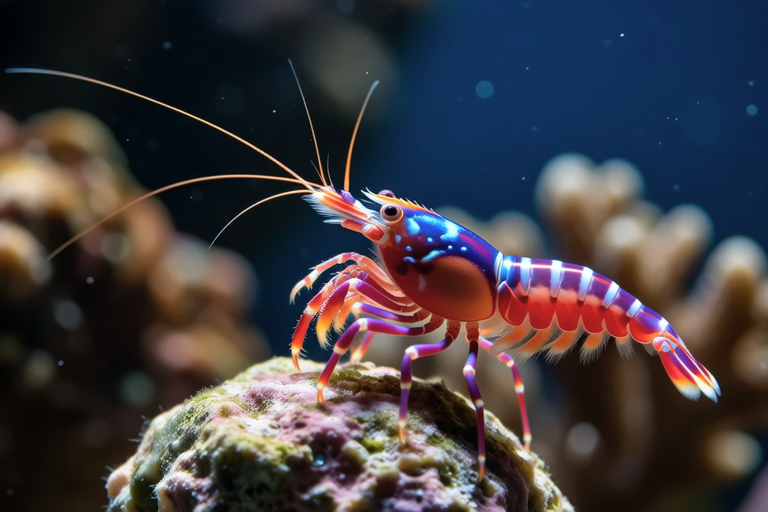
The Ultimate Guide to Feeding and Caring for Your Colorful Coral Shrimp
Welcome to the world of colorful coral shrimp! These fascinating creatures bring a splash of vibrant color to any aquarium, whether it’s freshwater or saltwater. Their care and feeding can be quite rewarding, but it also requires attention to detail to ensure their health and happiness. This guide will provide you with all the necessary information to create an ideal environment for your coral shrimp.
Introduction to Coral Shrimp
Coral shrimp, also known as Stenopus hispidus, are small, crustacean species that are native to tropical and subtropical waters around the world. They are popular among aquarists due to their striking appearance and interesting behaviors. Coral shrimp come in various colors, including red, blue, and yellow, making them a visually appealing addition to any tank. They are peaceful and can coexist with other non-aggressive fish and invertebrates.
Suitable Diets
Feeding coral shrimp properly is crucial for their overall health. In their natural habitat, they feed on algae, detritus, and small organisms. To replicate this diet in captivity, offer them a balanced mix of commercial shrimp foods, algae wafers, and occasional treats like blanched vegetables or frozen brine shrimp. Ensure that the food is appropriate for their size and nutritional needs. Avoid overfeeding, as excess food can pollute the water and harm the shrimp.
Feeding Schedules
Establishing a consistent feeding schedule is essential for maintaining the health of your coral shrimp. Feed them once or twice daily, depending on their activity level and the size of your tank. It’s important to monitor their eating habits to avoid overfeeding. If there is uneaten food after about 30 minutes, reduce the amount given at the next meal. This practice helps prevent waste and keeps the water quality optimal.
Habitat Requirements
To thrive, coral shrimp require a specific type of environment. They prefer tanks with plenty of hiding spots and caves, which can be created using rocks, driftwood, and live rock. A sandy substrate is ideal, as it mimics their natural habitat and provides a surface for grazing. Additionally, ensure that the tank has adequate filtration and circulation to maintain good water quality.
Water Parameters
Maintaining proper water conditions is vital for the health of your coral shrimp. For freshwater setups, aim for a pH between 6.5 and 7.5, with a temperature range of 75-82°F (24-28°C). Saltwater environments should have a salinity level of approximately 1.020-1.025 specific gravity, a pH of 8.1-8.4, and a temperature range of 75-82°F (24-28°C). Regular testing and monitoring of these parameters are necessary to ensure a stable environment for your shrimp.
Common Health Issues
Despite proper care, coral shrimp may still face health challenges. Common issues include bacterial infections, fungal growth, and parasitic infestations. Early signs of illness may include lethargy, loss of appetite, discoloration, or abnormal behavior. If you notice any of these symptoms, isolate the affected shrimp and consult a veterinarian specializing in aquatic animals for treatment options.
Tips for Maintaining a Healthy Environment
Creating and maintaining a healthy environment for your coral shrimp involves several key practices:
- Regular Water Changes: Perform partial water changes every one to two weeks to remove toxins and replenish essential minerals.
- Proper Filtration: Use high-quality filters that effectively remove debris and harmful substances from the water.
- Biological Balance: Encourage beneficial bacteria growth by providing ample surface area for biofiltration.
- Adequate Lighting: Offer appropriate lighting to support the growth of algae and plants, which serve as a natural food source for the shrimp.
Behavior of Coral Shrimp
Coral shrimp exhibit fascinating behaviors that make them enjoyable to observe. They are generally nocturnal, meaning they are most active during the night. During the day, they often remain hidden in crevices or under rocks. However, they can be seen scavenging for food when the lights are off or in dimly lit areas. Understanding their behavior helps you provide the best possible care for them.
Ensuring Well-Being in Freshwater and Saltwater Aquariums
Whether you’re setting up a freshwater or saltwater aquarium, there are specific considerations to keep in mind for your coral shrimp:
- Freshwater: Ensure that the water is soft and slightly acidic, with minimal nitrates and phosphates. Introduce them gradually to the new environment to minimize stress.
- Marine: Maintain stable salinity levels and conduct regular water tests to ensure water quality remains optimal. Provide a variety of hiding spots and ensure the tank is well-established before introducing the shrimp.
Conclusion
By following this comprehensive guide, you can provide the best possible care for your colorful coral shrimp. Remember, each shrimp is unique, so observe their behavior closely and adjust their care accordingly. With proper feeding, suitable habitats, and diligent maintenance, your coral shrimp will thrive in your aquarium, bringing joy and beauty to your aquatic world.