
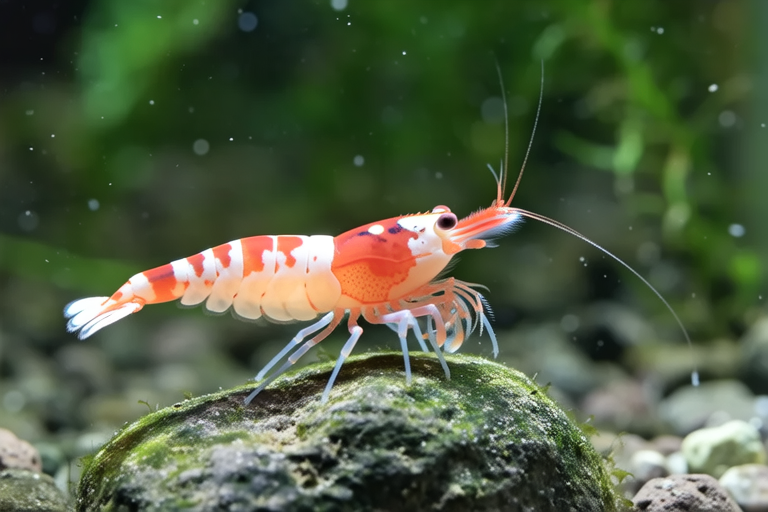
Setting Up a Suitable Freshwater Aquarium Environment for Coral Shrimp
Coral shrimp are fascinating creatures that can add a unique touch to any freshwater aquarium. Their vibrant colors and interesting behaviors make them a popular choice among aquarists. However, setting up a suitable environment for these shrimp requires careful consideration of various factors such as water parameters, tank mates compatibility, diet, hiding spots, and regular maintenance routines. This guide will walk you through the steps needed to create a thriving habitat for your coral shrimp.
Understanding Coral Shrimp
Coral shrimp (Caridina cf. babaulti) are small crustaceans native to Southeast Asia. They are often referred to as “bicolor” or “blue” shrimp due to their striking coloration. These shrimp have a lifespan of around two years under optimal conditions. In the wild, they live among coral reefs, feeding on algae, detritus, and microorganisms. To replicate their natural environment in captivity, it’s crucial to provide them with the right conditions.
Water Parameters
Maintaining proper water parameters is vital for the health and longevity of coral shrimp. The ideal pH level should be between 6.8 and 7.4, with a temperature range of 75-82°F (24-28°C). Ammonia and nitrite levels must be kept at zero, while nitrate concentrations should be below 20 ppm. A stable water chemistry ensures that the shrimp feel comfortable and secure in their new home.
Water Hardness
Coral shrimp prefer soft to slightly hard water, with a general hardness (GH) of 3-8 dGH and carbonate hardness (KH) of 3-6 dKH. Using reverse osmosis (RO) water or adding conditioners can help achieve the desired water hardness.
Filtration
Effective filtration is essential for maintaining clean water and ensuring the removal of harmful substances. A combination of mechanical, biological, and chemical filtration methods works best. Mechanical filters trap debris, biological filters support beneficial bacteria colonies, and chemical filters remove toxins like ammonia and nitrite. Avoid over-filtration, which could lead to excessive water flow and stress the shrimp.
Tank Mates Compatibility
Choosing appropriate tank mates is crucial when setting up a freshwater aquarium for coral shrimp. Some compatible species include:
- Sympatric fish: Small, peaceful fish that coexist well with shrimp, such as neon tetras, ember tetras, and harlequin rasboras.
- Invertebrates: Other small invertebrates like snails, nerite snails, and Malaysian trumpet snails can be good companions.
- Plants: Live plants not only enhance the aesthetic appeal but also provide hiding spots and contribute to water quality.
Avoid aggressive or predatory fish that may harm the shrimp, such as large cichlids, puffers, and certain loaches. Additionally, refrain from keeping shrimp with bottom-dwelling scavengers like certain catfish species, as they might compete for food or cause disturbances.
Diet
Coral shrimp are omnivorous and require a balanced diet to thrive. Their primary food sources include:
- Algae: Providing ample algae growth through live plants or algal supplements supports their nutritional needs.
- Detritus: Feeding on organic matter helps maintain water quality and provides essential nutrients.
- Commercial foods: High-quality sinking pellets, flakes, and wafers formulated for shrimp offer additional nutrition.
Feeding should be done sparingly to prevent overfeeding, which can lead to water pollution. Offer small amounts of food several times a day rather than one large meal. Monitor the shrimp’s eating habits and adjust feeding schedules accordingly.
Hiding Spots
Creating safe hiding spots is essential for reducing stress and promoting natural behaviors in coral shrimp. Suitable hiding spots can be provided through:
- Live plants: Floating plants like java moss, anubias, and cryptocoryne species offer excellent cover and grazing opportunities.
- Driftwood: Pieces of driftwood with nooks and crannies serve as both hiding spots and natural decorations.
- Rocks: Smooth river rocks arranged in caves or crevices create sheltered areas for the shrimp.
- Shelters: Commercially available shrimp shelters or DIY structures made from PVC pipes or ceramic tubes provide additional hiding options.
Ensure that hiding spots are strategically placed throughout the tank to encourage exploration and minimize territorial disputes.
Regular Maintenance Routines
Consistent maintenance routines are necessary to keep the aquarium environment clean and healthy. Key aspects of regular care include:
- Water changes: Perform partial water changes (20-30%) every week or two, depending on the bioload and water quality.
- Filter cleaning: Clean the filter media regularly without disrupting beneficial bacterial colonies.
- Gravel vacuuming: Use a gravel vacuum to remove uneaten food, waste, and debris from the substrate during water changes.
- Monitoring equipment: Regularly check the function of heaters, filters, and other equipment to ensure proper operation.
- Water testing: Test water parameters weekly to detect any issues early and take corrective actions promptly.
By following these maintenance practices, you’ll create a stable and supportive environment for your coral shrimp.
Tips for Beginners and Experienced Aquarists
Whether you’re new to shrimp-keeping or an experienced aquarist, there are several tips to help you succeed:
For Beginners
- Start small: Begin with a smaller tank (10-20 gallons) and gradually expand as you gain more experience.
- Research thoroughly: Learn about the specific needs of coral shrimp before setting up your aquarium.
- Monitor closely: Keep a close eye on water parameters and shrimp behavior during the initial setup period.
For Experienced Aquarists
- Experiment with setups: Try different combinations of plants, decorations, and tank mates to find what works best for your shrimp.
- Document progress: Maintain detailed records of water parameters, feeding schedules, and any notable events to track the health and behavior of your shrimp.
- Join communities: Participate in online forums or local clubs to share knowledge, ask questions, and learn from fellow enthusiasts.
By applying these tips, both novice and seasoned aquarists can create a thriving and vibrant aquarium ecosystem for their coral shrimp.
Conclusion
Setting up a suitable freshwater aquarium environment for coral shrimp involves careful planning and attention to detail. By understanding their specific needs and providing the right water parameters, tank mates, diet, hiding spots, and regular maintenance routines, you can ensure that your shrimp thrive in their new home. With dedication and patience, you’ll be rewarded with a beautiful and dynamic aquatic community that brings joy and fascination to your daily life.