
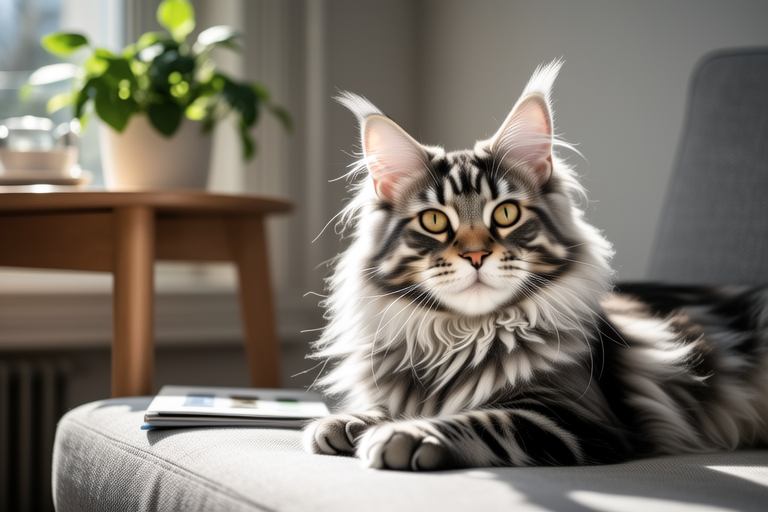
Living with a Maine Coon: Tips for First-Time Owners and Beyond
Welcome to the wonderful world of Maine Coons! Known for their striking appearance and gentle nature, these majestic cats are a joy to have around. Whether you’re a first-time owner or a seasoned caregiver, this guide will help you understand and care for your Maine Coon better.
Understanding Maine Coon Behavior
Maine Coons are known for their friendly and playful demeanor. They are often called “gentle giants” because of their large size and laid-back personalities. One of the most endearing traits of Maine Coons is their love for water; they often enjoy playing with running taps or even swimming!
My friend Sarah, who owns two Maine Coons, shared that her cats love to sit by the kitchen sink when she’s washing dishes. They watch intently as the water runs, sometimes dipping their paws in. It’s a quirky habit that adds charm to their personality.
These cats are also very social and enjoy being part of family activities. Unlike some breeds that prefer solitude, Maine Coons thrive on interaction. They can be quite vocal at times, especially when they want attention or food. Learning to understand their meows and body language will strengthen your bond with them.
Dietary Needs
Maine Coons require a balanced diet rich in proteins and fats. As they grow, their dietary needs change, so it’s important to consult with a veterinarian about the best type of food for your cat. High-quality commercial cat foods that meet AAFCO standards are generally good choices.
A common mistake new owners make is overfeeding their Maine Coons. Due to their large size, they might look like they need more food, but this can lead to obesity. Monitor their weight regularly and adjust feeding amounts accordingly. Providing smaller, more frequent meals throughout the day can help control portion sizes.
Some Maine Coons have sensitive stomachs, so it might take a bit of trial and error to find the right food for your pet. Always introduce new foods gradually to avoid digestive upset. Fresh water should always be available to keep your cat hydrated.
Grooming Requirements
Despite their luxurious coats, Maine Coons are relatively low-maintenance when it comes to grooming. Their self-grooming instincts are strong, but regular brushing helps prevent matting and keeps their coat shiny and healthy.
Weekly brushing sessions are recommended, especially during shedding seasons. This not only maintains their coat but also reduces hairballs. Use a slicker brush or a comb designed for long-haired cats. Be gentle and patient, as some cats may not enjoy the process initially.
Ear cleaning is another essential grooming task. Check your cat’s ears weekly for any signs of dirt or wax buildup. Clean them gently with a cotton ball dipped in a pet-safe ear cleaner. If you notice redness, odor, or excessive discharge, consult your vet.
Health Considerations
Like all breeds, Maine Coons are prone to certain health issues. Hip dysplasia, heart disease, and hypertrophic cardiomyopathy (HCM) are some conditions to be aware of. Regular veterinary check-ups are crucial for early detection and management of these conditions.
Vaccinations and preventive treatments for fleas, ticks, and worms should be up-to-date. Discuss with your vet about the appropriate schedule for these based on your cat’s age and lifestyle. Early spaying or neutering can also reduce the risk of certain cancers.
Obesity is a significant concern for Maine Coons. Keep an eye on your cat’s weight and adjust their diet and activity levels if necessary. A healthy weight range for adult Maine Coons is between 9 to 18 pounds.
Exercise Recommendations
Physical activity is vital for maintaining your Maine Coon’s overall health. Encourage playtime with interactive toys like feather wands, laser pointers, or puzzle feeders. These not only provide mental stimulation but also help burn off excess energy.
Outdoor access can be beneficial, but it comes with risks. If you live in a safe area, consider building a catio or supervising outdoor time closely. For indoor cats, create a stimulating environment with climbing structures, scratching posts, and hiding spots.
Regular play sessions can help keep your cat active and engaged. Aim for at least 15 minutes of playtime daily. Tailor the exercises according to your cat’s age and mobility. Younger cats tend to be more energetic and playful, while older cats may prefer quieter activities.
Tips for Bonding
Bonding with your Maine Coon is a rewarding experience. Spend quality time together each day, whether it’s cuddling, playing, or simply sitting beside them. Cats can sense your emotions, so being calm and affectionate will foster trust and closeness.
Interactive games are great for bonding. Try teaching your cat simple tricks or using treats as rewards during training sessions. This not only strengthens the bond but also provides mental enrichment.
Respect your cat’s boundaries. While Maine Coons are generally affectionate, they still need personal space. Pay attention to their body language and respect their preferences. Some cats may prefer cuddles, while others might enjoy a gentle pat on the head.
Consistency is key in establishing routines and building trust. Feed your cat at the same times each day, and establish a predictable schedule for play and grooming. This predictability can make your cat feel secure and loved.
Conclusion
Raising a Maine Coon is a fulfilling journey filled with love, laughter, and learning. By understanding their unique behaviors, meeting their dietary and grooming needs, addressing health concerns, providing adequate exercise, and fostering strong bonds, you’ll ensure a happy and healthy life for your beloved feline companion.
Remember, every Maine Coon is unique, and what works for one may not work for another. Stay open to adjusting your approach as needed. With patience, love, and care, you and your Maine Coon will share many wonderful years together.