
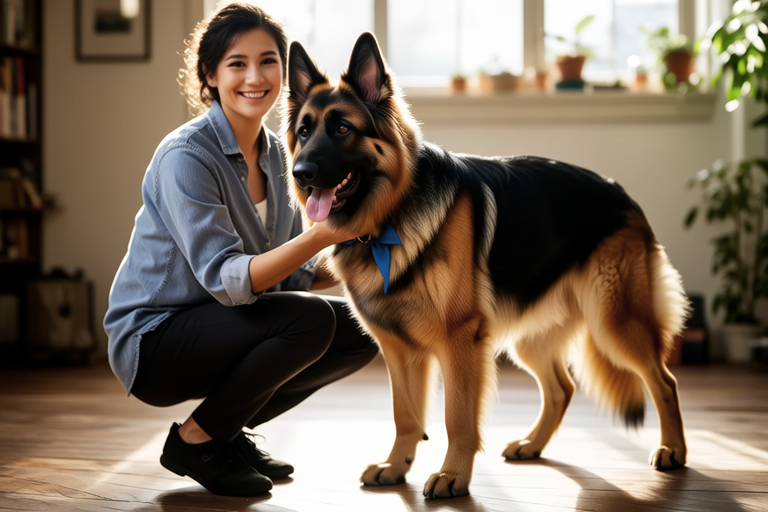
German Shepherd Owners Share Their Best Tips for First-Time Pet Parents
Welcome to the wonderful world of German Shepherd ownership! If you’re a first-time pet parent considering or recently adopting a German Shepherd, you’ve made an excellent choice. Known for their loyalty, intelligence, and protective nature, German Shepherds can be fantastic companions. However, they require dedicated care, attention, and training. This article compiles expert advice from experienced German Shepherd owners on training, grooming, exercise needs, dietary recommendations, socialization techniques, common health issues, and tips for building a strong bond. Let’s dive into these essential aspects to help you become a confident and capable pet parent.
Training Your German Shepherd
Training is crucial for any dog, but it’s especially important for German Shepherds due to their high energy levels and strong instincts. Start with basic obedience commands such as sit, stay, come, and heel. Consistency is key; use positive reinforcement methods like treats and praise to encourage good behavior. Crate training can also be beneficial for housebreaking and providing a safe space for your dog.
Experts suggest enrolling your German Shepherd in puppy classes to socialize them with other dogs and people. These classes offer structured learning environments where your dog can practice commands and learn appropriate behavior. Additionally, consider hiring a professional trainer if you encounter challenges during the training process. Professional trainers can provide personalized guidance tailored to your dog’s unique personality and needs.
Grooming Your German Shepherd
Grooming is an essential aspect of caring for your German Shepherd. Regular brushing helps maintain their coat’s health and prevents matting. Aim to brush your dog at least twice a week, increasing frequency during shedding seasons. Bathing should be done every two to three months, depending on your dog’s activity level and environment. Use a mild shampoo specifically formulated for dogs to avoid irritating their skin.
Nail trimming may seem daunting, but it’s an important part of grooming. Long nails can cause discomfort and affect your dog’s gait. Invest in a pair of dog nail clippers or ask your veterinarian for recommendations. Always trim nails gradually and avoid cutting the quick, which contains blood vessels and nerves. If you’re unsure about nail trimming, consult a professional groomer or veterinarian for assistance.
Exercise Needs of Your German Shepherd
German Shepherds are energetic dogs that require regular physical activity to stay healthy and happy. Daily walks of at least 30 minutes are recommended, but more vigorous exercise like running or playing fetch can be beneficial. Mental stimulation is equally important; engage your dog in puzzle toys or obedience training sessions to keep their mind sharp.
Consider signing up for activities like agility courses, flyball, or scent work to challenge your German Shepherd physically and mentally. These activities not only provide excellent exercise but also strengthen the bond between you and your dog. Remember to tailor the intensity and duration of exercise based on your dog’s age, health, and individual needs.
Dietary Recommendations for Your German Shepherd
A balanced diet is vital for maintaining your German Shepherd’s overall health and well-being. Consult your veterinarian to determine the appropriate portion sizes and feeding schedule for your dog. High-quality dog food containing protein sources like chicken, lamb, or fish is ideal. Avoid foods with fillers, artificial preservatives, and by-products.
In addition to commercial dog food, consider incorporating fresh fruits and vegetables into your dog’s diet. Carrots, apples, and blueberries are nutritious snacks that can be enjoyed in moderation. Always introduce new foods gradually to monitor for any adverse reactions. Keep in mind that chocolate, grapes, raisins, onions, and garlic are toxic to dogs and should never be given as treats or included in their meals.
Socialization Techniques for Your German Shepherd
Proper socialization is crucial for raising a well-adjusted German Shepherd. Expose your puppy to various environments, people, and other animals from an early age. Puppy classes, dog parks, and neighborhood walks provide opportunities for your dog to interact with others and learn appropriate behavior.
Encourage positive interactions by rewarding calm and friendly behavior. Teach your dog basic commands like “sit” and “stay” before introducing them to new situations. This will help establish control and prevent overstimulation. Socialization should continue throughout your dog’s life, ensuring they remain comfortable and confident in different settings.
Common Health Issues in German Shepherds
Like all breeds, German Shepherds are prone to certain health issues. Hip dysplasia, elbow dysplasia, and degenerative myelopathy are among the most common conditions affecting this breed. Regular veterinary check-ups and genetic testing can help identify potential risks early on.
Maintaining a healthy weight is crucial in preventing joint problems associated with hip dysplasia. Obesity can exacerbate existing conditions and lead to further complications. Provide your dog with a balanced diet and regular exercise to promote optimal health. Additionally, ensure your dog has access to clean water and a comfortable living environment to support their overall well-being.
Tips for Building a Strong Bond with Your German Shepherd
The relationship between you and your German Shepherd is built on trust, respect, and mutual understanding. Spend quality time together through activities like playing fetch, going for walks, or simply lounging around the house. Positive reinforcement training reinforces the bond between you and your dog, making them feel secure and loved.
Consistency in routines and expectations fosters a sense of security for your dog. Establish a daily routine that includes designated times for feeding, walking, and play. This predictability helps your German Shepherd understand what is expected of them and promotes a harmonious home environment. Lastly, never hesitate to seek professional help if you encounter behavioral challenges or need guidance on specific aspects of care.
Conclusion
Becoming a pet parent to a German Shepherd is a rewarding experience filled with love, laughter, and unforgettable moments. By following the advice shared by experienced owners, you’ll be well-equipped to meet the needs of your new furry friend. Remember, every dog is unique, so take the time to get to know your German Shepherd’s individual preferences and requirements. With patience, dedication, and plenty of love, you’ll create a lasting bond that will bring joy to both of your lives.