
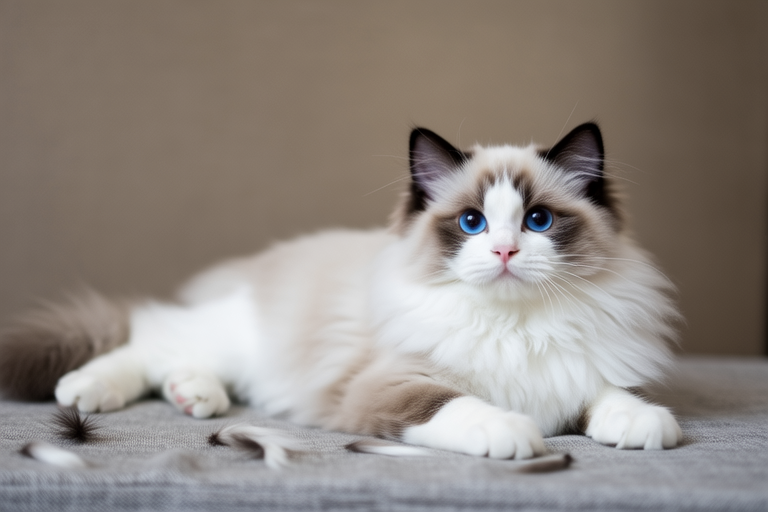
Unveiling the Secret Behind Ragdolls’ Famous Floppy Nature
The Ragdoll cat is one of the most popular and beloved feline breeds in the world. Known for their striking blue eyes, luxurious coats, and their tendency to go limp when held, Ragdolls have captured the hearts of many cat lovers. But what exactly makes these cats so unique? This article delves into the genetic and behavioral reasons behind their famous “floppy” nature, provides a historical background on the breed, addresses common misconceptions, and offers insights into their care requirements and health considerations.
A Brief History of the Ragdoll Breed
The history of the Ragdoll breed is as fascinating as the cats themselves. Developed by Ann Baker, a breeder from Riverside, California, in the early 1960s, the Ragdoll was created through selective breeding. Baker’s goal was to produce a cat with a docile temperament and a semi-longhaired coat. The breed’s name comes from the cat’s tendency to go limp when picked up, resembling a ragdoll.
Initially, Baker kept the breed within her own cattery, but after a dispute with neighbors who had purchased some of her cats, she began to promote the breed more widely. She even established her own registry, the International Ragdoll Cat Association (IRCA), which has since been disbanded. Today, the Ragdoll is recognized by all major cat registries worldwide, including The International Cat Association (TICA) and the Cat Fanciers’ Association (CFA).
The Genetic Basis of the Ragdoll’s Floppy Nature
The Ragdoll’s famous floppy nature is primarily due to a genetic mutation that affects the cat’s nervous system. This mutation causes a temporary loss of muscle tone when the cat is excited or handled, leading to the characteristic limpness. While this trait may seem unusual, it is not harmful to the cat and is considered a desirable trait in the breed.
Research has shown that the gene responsible for this trait is recessive, meaning both parents must carry the gene for it to be expressed in their offspring. This genetic factor contributes significantly to the Ragdoll’s unique personality and behavior. The gene also plays a role in the breed’s calm and relaxed demeanor, making them excellent companions for families and individuals alike.
Behavioral Traits and Common Misconceptions
Ragdolls are often described as having a dog-like personality, which is a common misconception. While they are known for their affectionate and social nature, they are not necessarily as active or playful as dogs. Instead, they tend to be more laid-back and prefer gentle interactions. They enjoy being petted and carried, and they often follow their owners around the house, seeking attention and affection.
Another misconception is that Ragdolls are completely inactive. While they are indeed more sedentary than many other cat breeds, they still require mental and physical stimulation. Providing them with interactive toys, scratching posts, and climbing structures can help keep them entertained and engaged. Regular play sessions can also help prevent obesity, a common health issue in indoor cats.
Comparing Ragdoll Temperament to Other Breeds
Ragdolls are often compared to other popular cat breeds, such as the Persian, Maine Coon, and Siamese. While each breed has its unique characteristics, Ragdolls stand out for their exceptional friendliness and affection. Unlike Persians, which can sometimes be aloof, and Siamese, which are known for their vocal nature, Ragdolls are typically quiet and easygoing. They are also less independent than Maine Coons, preferring to spend time with their human companions.
Despite their calm demeanor, Ragdolls are intelligent and curious cats. They enjoy exploring their surroundings and interacting with their environment. Their friendly nature makes them great pets for families with children and other pets, as long as introductions are done gradually and under supervision.
Care Requirements and Health Considerations
Ragdolls require regular grooming to maintain their luxurious coats. Brushing them at least twice a week can help prevent matting and reduce shedding. It’s also essential to provide them with a balanced diet rich in nutrients, including protein, vitamins, and minerals. Obesity is a common health concern in indoor cats, so monitoring their weight and adjusting their food intake accordingly is crucial.
Regular veterinary check-ups are also important for maintaining their overall health. Vaccinations, dental care, and parasite prevention are essential aspects of their healthcare routine. Ragdolls are generally healthy cats, but they are prone to certain conditions, such as hypertrophic cardiomyopathy (HCM), a heart disease that can lead to sudden death. Early detection and management of HCM can improve the cat’s quality of life and extend their lifespan.
Tips for Potential Owners
If you’re considering adding a Ragdoll to your family, there are several things to keep in mind. First, ensure you’re prepared for the commitment of caring for a cat, including providing proper nutrition, grooming, and medical care. Second, consider adopting from a reputable breeder or rescue organization to ensure the cat’s health and well-being.
Once you’ve brought your new Ragdoll home, take the time to introduce them to their new environment gradually. Provide them with a safe space, such as a quiet room, where they can acclimate to their surroundings. Spend time bonding with your new pet, offering gentle handling and positive reinforcement. As they become more comfortable, you can gradually introduce them to other members of the household.
Finally, remember that every cat is an individual, and while Ragdolls are generally friendly and affectionate, they may have unique personalities and preferences. Be patient and attentive, and you’ll find that your Ragdoll will quickly become a cherished member of your family.
Conclusion
The Ragdoll’s famous floppy nature is a result of both genetic and behavioral factors, making them one of the most unique and endearing cat breeds. With their friendly and affectionate disposition, Ragdolls make excellent companions for families and individuals alike. By understanding their care requirements and health considerations, potential owners can ensure their Ragdolls live happy, healthy lives. Whether you’re a seasoned cat owner or new to the world of felines, a Ragdoll is sure to bring joy and companionship to your home.