
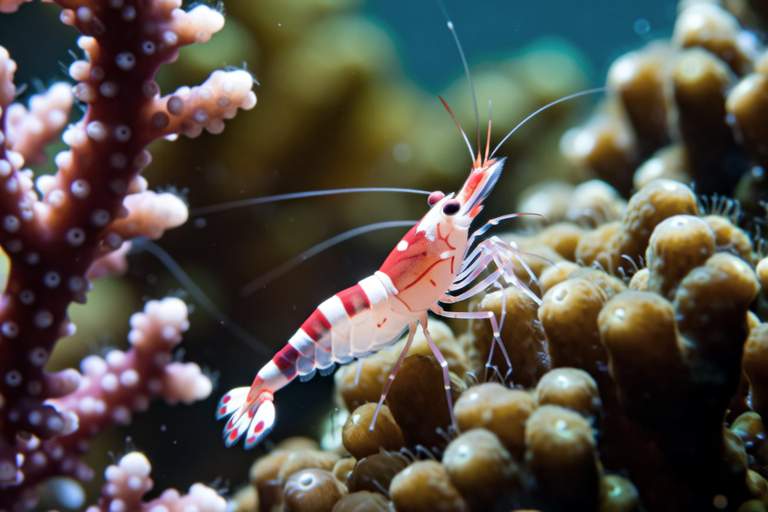
How Coral Shrimp Are Transforming Saltwater Aquariums Across the Globe
In recent years, coral shrimp have emerged as one of the most sought-after inhabitants in saltwater aquariums worldwide. These tiny crustaceans, known for their vibrant colors and intricate patterns, have not only captivated aquarists but also played significant roles in enhancing the health and aesthetics of marine tanks. This article delves into the unique characteristics of coral shrimp, their initial challenges in adapting to aquarium life, the advancements that have boosted their popularity, and the positive impact they bring to aquarium environments.
The World of Coral Shrimp: Unique Characteristics and Roles in Natural Marine Ecosystems
Coral shrimp, scientifically classified under the genus Periclimenes, encompass a diverse array of species that inhabit various marine habitats, particularly coral reefs. These shrimp are renowned for their symbiotic relationships with corals, anemones, and other sessile organisms. Their bodies are adorned with striking hues, ranging from bright reds and oranges to pastel pinks and blues, making them visually appealing additions to any tank.
One of the most fascinating aspects of coral shrimp is their ability to camouflage themselves within their host’s environment. They often mimic the appearance of their hosts, blending seamlessly into their surroundings to avoid predation. This camouflage is achieved through a combination of coloration and behavioral adaptations, allowing them to move undetected among the branches of corals or the tentacles of anemones.
In their natural habitat, coral shrimp play vital roles in maintaining the balance of marine ecosystems. They act as efficient scavengers, consuming detritus and leftover food particles, thereby helping to keep the water clean and reducing the risk of harmful bacteria buildup. Additionally, some species of coral shrimp are known to engage in mutualistic relationships with their hosts, providing protection against certain predators in exchange for shelter and occasional meals.
The Initial Skepticism and Challenges Faced by Coral Shrimp in Aquariums
Despite their charm and ecological significance, coral shrimp did not immediately gain acceptance in the saltwater aquarium community. When first introduced to aquariums, these shrimp faced several challenges that hindered their widespread adoption. One of the primary concerns was their sensitivity to water quality and environmental conditions. Coral shrimp require stable water parameters, including appropriate salinity levels, pH, and temperature, which can be difficult to maintain in home aquariums.
Another challenge was ensuring the compatibility of coral shrimp with other tank inhabitants. Some species of coral shrimp are known to be more aggressive than others, leading to potential conflicts with other small crustaceans or fish. Additionally, the introduction of coral shrimp into tanks with delicate corals and anemones posed risks due to their tendency to explore and potentially damage these organisms.
Moreover, the initial lack of knowledge about proper feeding and care regimens contributed to the reluctance of many aquarists to include coral shrimp in their setups. Without a clear understanding of their dietary needs and optimal living conditions, many shrimp failed to thrive in aquarium environments, further discouraging their adoption.
Advancements in Aquarium Technology and Understanding of Care
Over time, advancements in aquarium technology and a deeper understanding of coral shrimp’s care requirements have significantly improved their prospects in saltwater aquariums. The development of more sophisticated filtration systems and monitoring devices has made it easier to maintain the precise water conditions necessary for coral shrimp to thrive. Modern filters equipped with biological, mechanical, and chemical components help to keep the water clean and free of harmful substances, creating a healthier environment for all tank inhabitants.
Furthermore, advancements in lighting technology have enhanced the visibility and vibrancy of coral shrimp within aquariums. LED lights with adjustable spectrums allow aquarists to simulate natural daylight conditions, bringing out the full spectrum of colors in these shrimp. This not only improves the visual appeal of the tank but also contributes to the overall well-being of the shrimp by promoting healthy growth and behavior.
The increased availability of high-quality foods specifically formulated for coral shrimp has also played a crucial role in their growing popularity. These specialized diets provide the necessary nutrients and minerals required for optimal health, ensuring that shrimp remain active and colorful. Many aquarists now incorporate a variety of live, frozen, and prepared foods into their feeding routines, further enhancing the shrimp’s well-being and longevity.
Education and community support have been instrumental in fostering a better understanding of coral shrimp care. Online forums, social media groups, and dedicated hobbyist websites have provided valuable resources for both novice and experienced aquarists. These platforms enable enthusiasts to share experiences, ask questions, and learn from one another, creating a supportive network that encourages the responsible keeping of coral shrimp.
The Positive Impact of Coral Shrimp on Aquarium Environments
The presence of coral shrimp in saltwater aquariums brings numerous benefits, contributing to the overall health and aesthetics of the tank. One of the most significant advantages is their role in controlling algae growth. Coral shrimp are adept at consuming various types of algae, including hair algae and cyanobacteria, which can otherwise overrun a tank if left unchecked. By actively grazing on these unwanted organisms, coral shrimp help to maintain a balanced ecosystem, preventing the dominance of nuisance algae that could harm other tank inhabitants.
In addition to their algae-control capabilities, coral shrimp enhance the aesthetic appeal of aquariums. Their vibrant colors and graceful movements add a dynamic element to the tank, creating a visually captivating display. Many aquarists appreciate the way coral shrimp interact with their surroundings, often observing them darting between coral branches or exploring the nooks and crannies of rock formations. This interplay between shrimp and their environment adds depth and interest to the aquarium, making it a more engaging experience for viewers.
Coral shrimp also contribute to the overall biodiversity of the tank. By introducing a new species, aquarists can create a more diverse and robust ecosystem, which can lead to improved water quality and a greater sense of stability. The presence of multiple species within the tank fosters a more natural environment, encouraging interactions and behaviors that promote the well-being of all inhabitants.
Future Trends Involving Coral Shrimp in Aquariums
The future of coral shrimp in saltwater aquariums looks promising, with ongoing developments in technology and care practices paving the way for even greater success. As aquarists continue to refine their techniques and expand their knowledge, we can expect to see increased adoption of coral shrimp across the globe. Advances in breeding programs may lead to the availability of more hardy and adaptable strains, making it easier for hobbyists to maintain healthy populations in their tanks.
Sustainability will play a crucial role in the future of coral shrimp in aquariums. With growing concerns over the depletion of marine resources, there is a strong emphasis on responsible sourcing and captive breeding. Many organizations are working to establish sustainable practices for the collection and breeding of coral shrimp, ensuring that wild populations remain intact while still meeting the demands of the aquarium trade. By supporting these initiatives, aquarists can contribute to the conservation of marine biodiversity and help preserve the delicate ecosystems that these shrimp call home.
Biodiversity is another key trend shaping the future of coral shrimp in aquariums. As hobbyists seek to create more realistic and thriving ecosystems, the inclusion of multiple species within a single tank will become increasingly common. This approach not only enhances the beauty and complexity of the aquarium but also promotes a more balanced and resilient environment. By embracing biodiversity, aquarists can foster a sense of wonder and appreciation for the intricate web of life that exists within our oceans.
In conclusion, coral shrimp have come a long way since their initial introduction into saltwater aquariums. From overcoming early challenges to becoming beloved and beneficial inhabitants, these tiny crustaceans have transformed the way we think about marine tanks. As advancements in technology and understanding continue to shape the aquarium hobby, we can look forward to even greater successes with coral shrimp, ensuring their place as cherished and essential members of the saltwater aquarium community.