
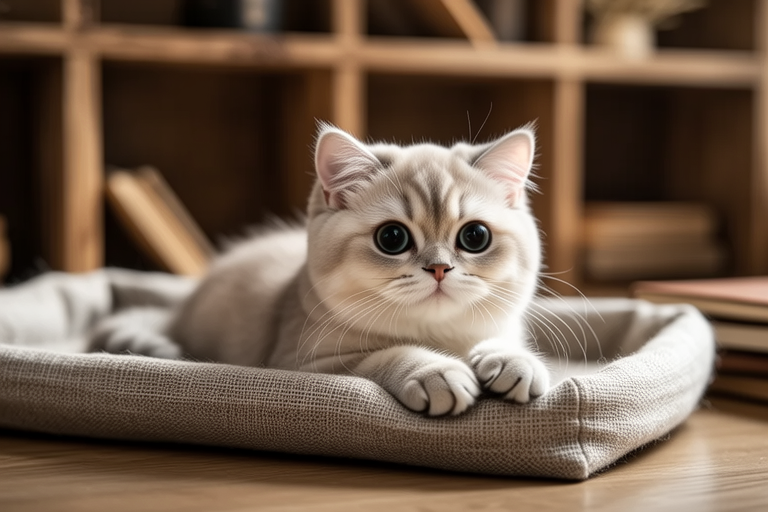
Adorable and Unique: Life with a Chinchilla as a Pet
Welcome to the enchanting world of chinchillas, one of the most adorable and unique pets you could ever choose. With their plush, soft fur and big, expressive eyes, these small mammals have captured the hearts of many animal lovers. In this article, we will explore what it’s like to live with a chinchilla, from their distinctive appearance and characteristics to the responsibilities of ownership and the rewarding bonds that can form.
The Distinctive Appearance and Characteristics of Chinchillas
Chinchillas are small rodents native to the Andes mountains in South America. They are known for their dense, luxurious fur, which is so soft that it feels almost like velvet. This fur serves as protection against the cold mountain climates they inhabit. Their large ears and bushy tails add to their endearing appearance. Chinchillas come in various colors, including standard gray, beige, white, and even black. Their small size makes them easy to handle, but their delicate nature requires careful attention.
One of the most fascinating things about chinchillas is their grooming habits. Instead of bathing in water, they take dust baths to keep their fur clean and healthy. Providing a dust bath for your chinchilla is essential for maintaining its coat. These animals also have strong hind legs that allow them to jump impressive heights, sometimes up to six feet, which adds to their playful and agile nature.
Responsibilities of Owning a Chinchilla
Dietary Needs
Proper nutrition is crucial for the health of your chinchilla. Their diet primarily consists of hay, pellets, and fresh water. Timothy hay is particularly important as it aids in digestion and dental health. Chinchillas also enjoy a variety of safe fruits and vegetables as occasional treats, but these should be given sparingly to avoid digestive issues. It’s vital to ensure that the food provided is free from pesticides and other harmful substances.
Housing Requirements
Adequate housing is essential for your chinchilla’s well-being. They require a spacious cage with multiple levels to accommodate their need for climbing and jumping. The cage should be made of wire or stainless steel, as wooden cages can easily be chewed through. Bedding should be soft and absorbent, such as paper-based bedding or fleece liners. Avoid cedar or pine shavings as they can be toxic to chinchillas. The cage should be placed in a quiet area away from direct sunlight and drafts.
Exercise Essentials
Regular exercise is necessary for your chinchilla’s physical and mental health. Provide toys that encourage climbing, chewing, and exploration. Rotate the toys regularly to keep your chinchilla engaged and prevent boredom. Supervised playtime outside the cage allows your chinchilla to stretch its legs and explore new environments. Always supervise your chinchilla during playtime to ensure its safety.
The Bond Between Owner and Pet
The relationship between a chinchilla and its owner can be incredibly rewarding. Chinchillas are intelligent and social creatures that can develop strong bonds with their human companions. While they may not be as affectionate as dogs or cats, they can learn to recognize and respond to their owners. Spend time interacting with your chinchilla daily to strengthen this bond. Patience is key when handling chinchillas, as they can be skittish and may need time to get comfortable with being held.
Understanding chinchilla behavior is crucial for effective interaction. Chinchillas communicate through body language, vocalizations, and scent marking. Pay attention to signs of stress or discomfort, such as excessive grooming, hiding, or changes in eating habits. Positive reinforcement training can help build trust and teach your chinchilla desired behaviors. Reward good behavior with treats and gentle praise to encourage repetition.
Tips for Potential Owners
Owning a chinchilla can be a fulfilling experience, but it comes with significant responsibilities. Before bringing a chinchilla into your home, consider the following tips:
- Research thoroughly: Learn as much as possible about chinchillas’ care requirements before making a decision.
- Prepare adequately: Ensure you have the appropriate supplies and environment ready before bringing your chinchilla home.
- Commit to long-term care: Chinchillas can live up to 20 years, so be prepared for a long-term commitment.
- Seek professional advice: Consult with veterinarians specializing in exotic pets for guidance on proper care.
- Join a community: Connect with other chinchilla owners to share experiences and support each other.
Life with a chinchilla offers numerous rewards, from their charming personalities to the joy they bring into your home. However, it is essential to approach pet ownership with responsibility and dedication. By providing proper care, attention, and enrichment, you can ensure that your chinchilla leads a happy and healthy life. Embrace the adventure of living with these adorable and unique creatures, and cherish the special bond you will form.