
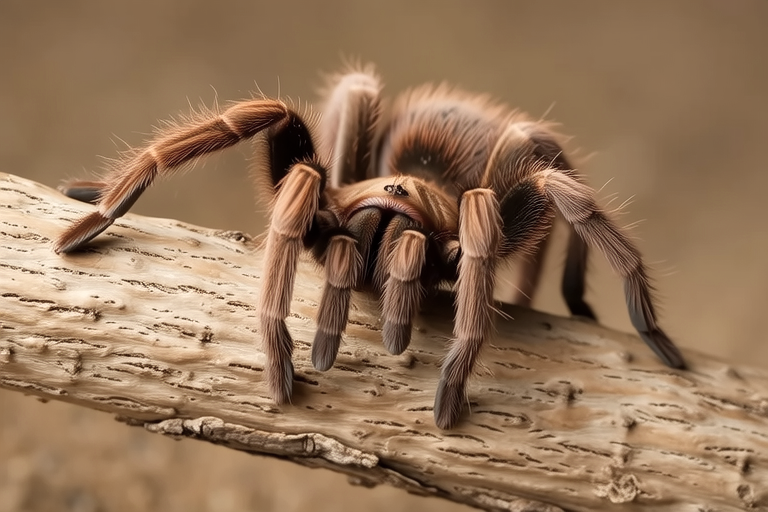
Chilean Rose Tarantula: The Ultimate Beginner Pet Spider Guide
Welcome to Your Spider Journey!
If you’re considering getting a pet spider, the Chilean rose tarantula is an excellent choice for beginners. Known for their docile nature and vibrant pink coloration, these spiders make fascinating companions. This guide will walk you through everything you need to know about caring for your Chilean rose tarantula.
Pros and Cons of Owning a Chilean Rose Tarantula
Pros:
- Low Maintenance: They require minimal interaction, making them ideal for busy individuals or those with limited time.
- Beautiful Appearance: Their unique pink coloration and gentle demeanor make them visually appealing pets.
- Safe for Handling: Unlike many other tarantulas, the Chilean rose is less likely to bite, which makes them easier to handle.
Cons:
- Long Lifespan: They can live up to 20 years, so be prepared for a long-term commitment.
- Quiet Companions: If you’re looking for a pet that provides constant interaction, this might not be the best choice.
- Specialized Care: While low maintenance, they still require specific environmental conditions to thrive.
Choosing the Right Enclosure and Substrate
Selecting the right enclosure and substrate is crucial for your Chilean rose tarantula’s well-being. Here’s what you need to know:
Enclosure Size:
A 10-gallon tank is sufficient for a young tarantula. As it grows, consider upgrading to a 20-gallon tank. Ensure there are no gaps where the tarantula could escape.
Substrate:
The substrate should be at least 4 inches deep. Use coconut fiber or a mix of peat moss and vermiculite for optimal humidity levels. Avoid pine or cedar shavings as they may contain harmful oils.
Temperature and Humidity:
Maintain a temperature between 75°F and 85°F (24°C to 29°C) and humidity around 60% to 70%. A hygrometer can help monitor humidity levels.
Hiding Spots:
Incorporate cork bark or other hiding spots for your tarantula to feel secure. These can also serve as climbing structures, enriching its environment.
Feeding Your Chilean Rose Tarantula
Your tarantula will eat insects like crickets, mealworms, and dubia roaches. Feed juveniles once every 5-7 days and adults every 7-10 days. Gut-load feeder insects with nutritious foods to ensure your tarantula receives adequate nutrients.
Handling Your Tarantula:
Before handling, ensure your tarantula is calm and has been fed recently. Gently place your hand near its front legs and allow it to climb onto your hand. Always support its abdomen and avoid sudden movements.
Common Health Issues
Like any pet, your tarantula can experience health issues. Regularly check for signs of illness such as lethargy, lack of appetite, or unusual webbing patterns. If you notice anything concerning, consult a veterinarian specializing in exotic animals.
Dehydration:
Ensure proper humidity levels and provide a shallow water dish. Dehydrated tarantulas may show signs of lethargy and decreased activity.
Molting:
During molting, your tarantula will shed its exoskeleton. Keep the enclosure humid and avoid disturbing it during this process. Provide a shallow dish of water to aid in the molting process.
Myths About Chilean Rose Tarantulas
Myth: Tarantulas Are Dangerous:
While all spiders have venom, the Chilean rose’s venom is mild and poses little threat to humans. Their bites are generally no more dangerous than a bee sting.
Myth: Tarantulas Require Constant Interaction:
Tarantulas are solitary creatures and prefer minimal human interaction. They do not enjoy being handled frequently.
Myth: Tarantulas Will Escape:
Provided you have a secure enclosure, tarantulas rarely attempt to escape. Ensure the lid fits tightly and there are no gaps.
Care Tips for Your Chilean Rose Tarantula
Environmental Enrichment:
Increase your tarantula’s quality of life by providing climbing structures, hiding spots, and varied substrate textures. This mimics their natural environment and promotes mental stimulation.
Regular Cleaning:
Replace the substrate every 2-3 months or when it becomes dirty. Clean the enclosure weekly, removing uneaten prey and waste. Use a weak bleach solution to disinfect the tank before replacing the substrate.
Monitoring Growth:
Regularly check your tarantula’s growth by measuring leg span. This helps ensure it is receiving adequate nutrition and growing properly.
Conclusion
Owning a Chilean rose tarantula can be a rewarding experience for the right individual. With proper care and attention to its needs, your tarantula will thrive in its new home. Remember to prioritize its well-being and provide a stimulating yet safe environment. Happy tarantula ownership!