
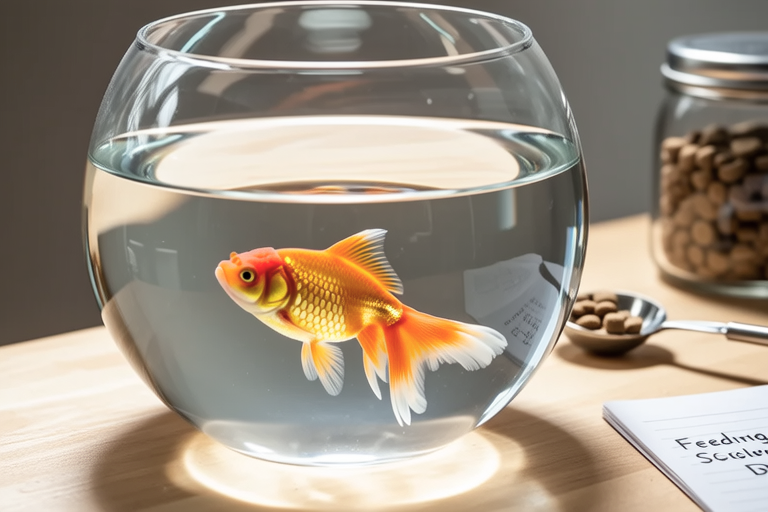
How Often Should You Feed Your Goldfish? Debunking Feeding Myths
Goldfish are among the most popular pets due to their vibrant colors and relatively low maintenance. However, one aspect that often confuses owners is how frequently they should feed their goldfish. This article aims to provide an in-depth look at the feeding habits of goldfish, debunking common myths and offering scientifically-backed advice on how often you should feed your goldfish.
Understanding Goldfish Digestion and Metabolism Rates
To understand how often you should feed your goldfish, it’s essential first to comprehend their digestive system and metabolic rate. Unlike humans, goldfish have a continuous digestive process. They can eat almost constantly because their stomachs are small, and food moves through their system rapidly. This means that while they can eat continuously, it doesn’t mean they should.
Their metabolism varies with temperature. In warmer water (around 75°F), goldfish metabolize food faster than in cooler water (65°F). Thus, feeding frequency and quantity should adjust according to the tank’s temperature.
Debunking Common Feeding Myths
Myth 1: Goldfish Can Eat as Much as They Want
This myth stems from the belief that goldfish will stop eating when full. While it’s true that goldfish have a natural ability to control their intake, this doesn’t mean they won’t overeat if given the chance. Overfeeding can lead to health issues such as swim bladder disorders and constipation.
Myth 2: Larger Fish Need More Food
Contrary to popular belief, larger goldfish don’t necessarily need more food than smaller ones. Their metabolic rate increases proportionally with their size, but so does their surface area for oxygen absorption. Therefore, the amount of food should be relative to the volume of water, not just the size of the fish.
Myth 3: Goldfish Require Daily Feeding
Another misconception is that goldfish need to be fed daily. While this might be true for very young fish, adult goldfish can survive without food for several days. However, regular feeding maintains their health and vitality.
Appropriate Feeding Frequencies Based on Age, Size, and Tank Environment
The frequency and quantity of food should vary based on several factors:
- Age: Younger goldfish require more frequent feedings because they grow rapidly. Feed them twice a day, ensuring each meal lasts no longer than two minutes.
- Size: Larger goldfish can go longer between meals. For adults, once a day is sufficient, with a feeding time of about three minutes.
- Tank Environment: The condition of the water and the presence of plants also affect feeding schedules. If the water quality is excellent, and there are plenty of live plants, you might extend the interval between feedings slightly.
Tips for Choosing Quality Fish Food
Selecting the right food is crucial for maintaining your goldfish’s health. Look for high-quality pellets that contain protein, vitamins, and minerals. Avoid foods with artificial colors and preservatives. Flakes can be used occasionally but are not as nutritious as pellets. Additionally, consider incorporating occasional treats like brine shrimp or daphnia.
Signs of Overfeeding or Underfeeding
Recognizing whether your goldfish is being overfed or underfed is vital for their well-being.
- Overfeeding: Excess food leads to poor water quality, which can cause stress and disease. Watch for uneaten food floating in the tank after feeding. If this happens, reduce the amount of food next time.
- Underfeeding: Signs of underfeeding include slow growth, loss of appetite, and lethargy. If you notice these symptoms, increase the amount of food gradually until you see improvement.
Conclusion
Feeding your goldfish appropriately requires understanding their digestive processes and adjusting according to their age, size, and environmental conditions. By avoiding common feeding myths and providing high-quality food in the right quantities, you can ensure your goldfish lead healthy and vibrant lives. Remember, while goldfish can eat continuously, they shouldn’t, and responsible feeding practices are key to their longevity.