
The Ultimate Guide to Feeding Your Goldfish Properly
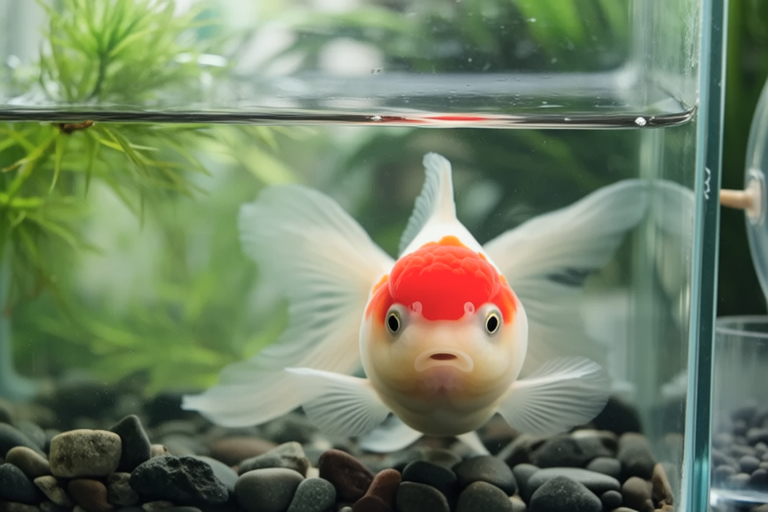
Goldfish are among the most popular pets due to their vibrant colors and relatively easy care requirements. However, providing them with proper nutrition is crucial for their well-being and longevity. This guide will cover everything you need to know about feeding your goldfish correctly, from selecting the right type of food to understanding the impact of feeding on water quality.
Types of Food Suitable for Goldfish
Goldfish have specific dietary needs that must be met for optimal health. Their diet should consist primarily of high-quality pellets or flakes designed specifically for goldfish. These foods are formulated to provide a balanced mix of nutrients, including proteins, fats, carbohydrates, vitamins, and minerals.
- Pellets: Pellets come in various sizes and are generally more nutritious than flakes because they sink slowly, allowing goldfish to eat them at different depths.
- Flakes: Flakes are convenient but tend to dissolve quickly, which can lead to water pollution if not consumed immediately by the fish.
- Frozen Foods: Frozen foods such as bloodworms, brine shrimp, and daphnia offer excellent sources of protein and are particularly beneficial during breeding periods.
- Dried Algae Wafers: These are ideal for goldfish that graze on algae in their natural habitat.
- Vegetables: Some goldfish enjoy small pieces of blanched vegetables like peas, zucchini, and spinach.
Recommended Feeding Amounts and Frequency
Overfeeding can cause significant harm to your goldfish, while underfeeding may result in malnutrition. The key is to feed your goldfish the appropriate amount at each meal.
For adult goldfish, it’s recommended to feed them once or twice daily. Each feeding session should last no longer than two minutes, ensuring all the food is consumed within this time frame. Feed an amount that your goldfish can finish eating in about two minutes. If there is leftover food floating around after this period, reduce the quantity given next time.
Younger goldfish require more frequent feedings—three times daily—but still, only enough food to be eaten within two minutes per session.
Dietary Balance and Water Quality
Maintaining a balanced diet is vital for keeping your goldfish healthy. A varied diet helps ensure they receive all necessary nutrients. Besides commercial foods, occasional treats like frozen foods or vegetables can enrich their meals.
Water quality plays a critical role in goldfish health. Uneaten food left in the tank decomposes, leading to increased ammonia levels harmful to fish. Regular partial water changes (about 20% weekly) help maintain clean water conditions.
Recognizing Overfeeding Signs and Effects
Signs of overfeeding include bloated bellies, lethargy, and rapid breathing. Overfed goldfish may also produce excessive waste, causing cloudy water and increased ammonia levels. Long-term effects of overfeeding can lead to swim bladder disorders, liver problems, and shortened lifespans.
To prevent overfeeding, observe your goldfish closely during feeding sessions. If they stop eating before all the food is gone, remove any excess. Additionally, consider using automatic feeders set to dispense small portions at regular intervals.
Seasonal Dietary Adjustments
During colder months when goldfish become less active, their metabolism slows down, reducing their appetite. In these situations, decrease feeding frequency and amounts accordingly. Conversely, warmer temperatures increase activity levels and appetites; thus, slightly increasing portion sizes might be necessary.
Common Feeding Mistakes to Avoid
Some common mistakes made by goldfish owners include:
- Feeding too much at one time
- Not varying the diet sufficiently
- Ignoring water quality issues caused by uneaten food
- Using inappropriate food types (e.g., tropical fish food)
Avoid these errors by monitoring feeding habits closely and adjusting as needed based on environmental factors and individual fish behavior.
Conclusion
Proper feeding is fundamental to maintaining healthy goldfish. By choosing suitable foods, adhering to recommended feeding schedules, and being mindful of water quality, you can ensure your pet remains happy and thriving. Remember always to tailor your approach according to seasonal changes and individual needs. With consistent care, your goldfish will reward you with years of companionship and enjoyment.