
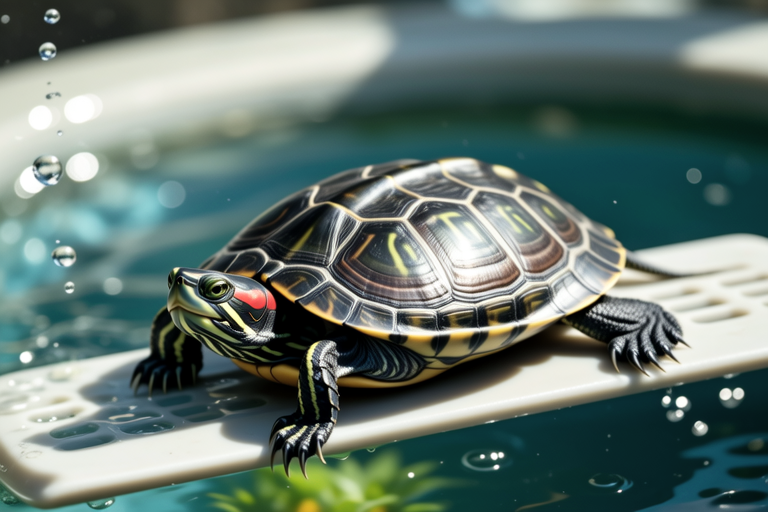
Red-eared Slider Care: Tips from Expert Turtle Owners!
Welcome to the wonderful world of red-eared sliders! These charming reptiles are among the most popular pet turtles due to their vibrant personalities and relatively low maintenance requirements. However, owning a red-eared slider comes with significant responsibilities. Proper care ensures not only their happiness but also their longevity. In this article, we’ll explore essential care tips from expert turtle owners to help you provide the best environment for your new aquatic friend.
Habitat Setup: Creating a Home Away from Home
The first step in caring for a red-eared slider is setting up a suitable habitat. A well-designed enclosure mimics the natural environment these turtles thrive in, ensuring they remain healthy and active.
Size Matters: Red-eared sliders grow rapidly, so it’s crucial to start with a large tank or pond. An adult turtle requires at least 10 gallons of water per inch of shell length. For instance, a 6-inch turtle would need a minimum of 60 gallons of space. As they grow, be prepared to upgrade their living quarters.
Water Quality: Clean water is paramount. Invest in a high-quality filter to maintain water clarity and prevent harmful bacteria buildup. Regular water changes are necessary; aim for a 25% change weekly and a full cleanout every few months. Adding a dechlorinator to tap water will neutralize chlorine and chloramines, making it safer for your turtle.
Basking Area: Red-eared sliders are semi-aquatic creatures that need both water and land. Provide a sturdy basking platform where they can completely dry off. The ideal location is partially submerged, allowing easy access from the water. Use a UVB light to simulate sunlight, which helps them synthesize vitamin D3 essential for calcium absorption.
Temperature Control: Maintaining the right temperature gradient within the tank is vital. Water temperatures should range between 75°F and 80°F, while the basking area should reach around 90°F. Utilize aquarium heaters and thermometers to monitor and regulate these conditions accurately.
Diet Requirements: Nourishing Your Slider
A balanced diet is key to keeping your red-eared slider healthy and active. Their nutritional needs vary depending on age and size.
Young Turtles: Hatchlings and juveniles require a more protein-rich diet, primarily consisting of commercial turtle pellets, earthworms, and small pieces of lean meat. Supplement their meals with occasional treats like fresh vegetables and fruits.
Adults: As they mature, red-eared sliders transition to a more herbivorous diet. Offer leafy greens such as romaine lettuce, kale, and dandelion leaves. Pellets designed for adult turtles should still form the core of their diet, providing essential nutrients. Avoid feeding them iceberg lettuce, as it lacks nutritional value.
Variety is Key: Introduce variety into their meals to prevent dietary deficiencies. Consider adding aquatic plants, occasional insects, and calcium supplements to support bone health. Always consult with a veterinarian specializing in reptiles to tailor a diet that meets your turtle’s specific needs.
Health Maintenance: Keeping Your Slider Happy and Healthy
Regular health checks and preventive measures are crucial for the well-being of your red-eared slider.
Shedding Skin: Shedding is a natural process, but it can sometimes lead to complications. Monitor your turtle closely during this period. If any skin remains attached, gently remove it with warm water and soft brushes. Ensure their habitat is kept clean to prevent infections.
Shell Health: A healthy shell is a sign of overall good health. Inspect it regularly for signs of discoloration, soft spots, or irregularities. Any abnormalities should be addressed by a veterinarian promptly.
Veterinary Care: Establish a relationship with a reptile-savvy veterinarian who can provide routine check-ups and vaccinations. They can also offer advice on managing potential health issues such as respiratory infections, metabolic bone disease, and parasites.
Common Mistakes to Avoid: Lessons from the Experts
Even the most dedicated turtle owners can make mistakes. Here are some common pitfalls to watch out for:
Inadequate Space: Many beginners underestimate the space requirements for growing turtles. Remember, a small tank today will quickly become too cramped for tomorrow’s larger turtle. Plan ahead and invest in a spacious enclosure.
Poor Water Quality: Dirty water leads to various health problems. Neglecting regular water changes can result in bacterial infections and respiratory issues. Ensure your filtration system is adequate and perform frequent maintenance.
Overfeeding: Excessive feeding can cause obesity and other health issues. Stick to a consistent feeding schedule, offering food only two or three times a week. Let your turtle have some time to digest between meals.
Interactive Experiences: Bonding with Your Slider
While red-eared sliders are independent creatures, they can develop bonds with their owners through positive interactions.
Handling: Handle your turtle gently and infrequently. Over-handling can stress them out, leading to health issues. When handling, always support their body and avoid lifting them by their limbs.
Toys and Enrichment: Stimulate your turtle’s curiosity and activity levels with toys and enrichment activities. Floating logs, tunnels, and underwater caves can provide mental and physical stimulation. Rotate these items periodically to keep things interesting.
Observation: Spend time watching your turtle’s behavior. This not only strengthens your bond but also helps you detect early signs of illness or distress. Pay attention to changes in appetite, activity levels, and overall demeanor.
Conclusion: A Commitment to Longevity and Well-being
Owning a red-eared slider is a rewarding experience that comes with significant responsibilities. By understanding and meeting their specific needs regarding habitat setup, diet, health maintenance, and interactive experiences, you can ensure the longevity and well-being of your pet. Seek advice from experts, stay informed about advancements in turtle care, and always prioritize your turtle’s health and happiness. With proper care, your red-eared slider can thrive in its new home, bringing joy and companionship for many years to come.