
Complete Care Guide for Your New Red-Eared Slider Pet
Introduction to Red-Eared Sliders
Welcome to the world of red-eared sliders! These charismatic reptiles are among the most popular aquatic turtles, known for their striking appearance and relatively easy care requirements. Native to the southern United States and northern Mexico, red-eared sliders have adapted well to captivity, making them a favorite choice for many pet owners. With proper care, your slider can live up to 40 years or more, providing you with a long-term companion.
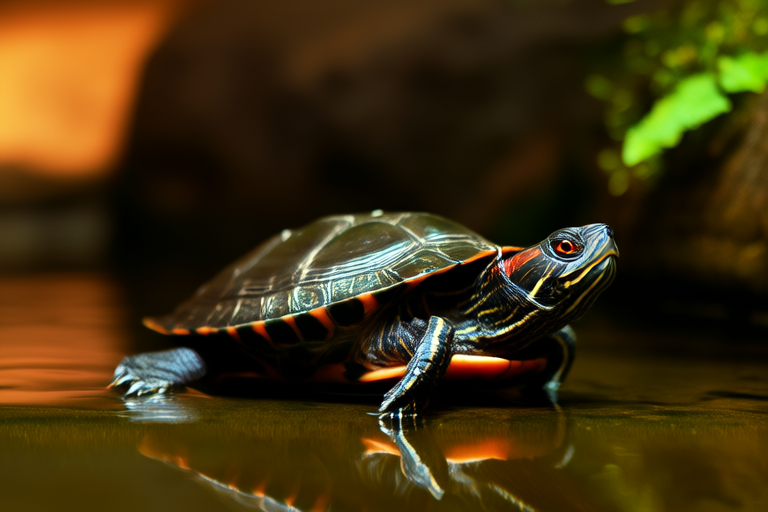
Red-eared sliders are named for the distinctive red stripe behind their eyes and their preference for basking on land. They are semi-aquatic, meaning they spend time both in the water and out. Their active nature and interactive behavior make them fascinating pets. However, it’s important to understand that owning a red-eared slider is a significant commitment, as they require specific environmental conditions and regular care.
Habitat Setup
Tank Size
Proper tank size is crucial for your red-eared slider’s health and happiness. A juvenile slider requires at least 10 gallons of water per inch of shell length. As your turtle grows, so will its needs; an adult slider will need a minimum of 60-80 gallons. The tank should be large enough to allow swimming and provide ample space for a dry basking area.
The ratio of water to land should be approximately 75% water and 25% land. This ensures your turtle has sufficient space to swim comfortably while also having a safe place to rest and bask.
Water Quality
Maintaining high water quality is vital for your slider’s health. Use a dechlorinator to remove harmful chlorine from tap water. Regular water changes are necessary to prevent ammonia and nitrite buildup, which can harm your turtle. Aim for weekly water changes, changing about 25-50% of the water each time. Additionally, monitor pH levels and keep them between 6.5 and 8.5.
Filtration
A strong filtration system is essential to maintain clean water. Choose a filter that provides both mechanical and biological filtration. Mechanical filtration removes debris and waste, while biological filtration breaks down harmful chemicals. Consider a canister filter or a powerful submersible pump that can handle the volume of your tank. Ensure the filter is large enough for the tank size and adjust the flow rate to avoid creating strong currents that could stress your turtle.
Basking Area
Your slider needs a dry area where it can bask under a heat lamp. The basking area should be large enough for your turtle to fully extend its body and legs. Use a flat rock or a specifically designed turtle dock. Place a UVB-emitting bulb above the basking area to provide essential UV light, which helps your turtle metabolize calcium and prevents metabolic bone disease. Maintain a temperature gradient between 85°F and 95°F (29°C to 35°C) during the day and slightly cooler temperatures at night.
Diet and Nutrition
Red-eared sliders are omnivores, feeding on a variety of plant and animal matter. A balanced diet should consist of commercially available turtle pellets, fresh vegetables, and occasional protein sources like earthworms, mealworms, or cooked chicken. Feed your turtle daily, but only offer as much food as it can consume in 10-15 minutes. Overfeeding can lead to obesity and other health issues.
Vary your turtle’s diet to ensure a wide range of nutrients. Offer leafy greens such as romaine lettuce, collard greens, and dandelion leaves. Supplement these with chopped carrots, squash, and bell peppers. Protein-rich foods should be offered sparingly, as overconsumption can cause shell deformities.
Calcium supplementation is critical for maintaining strong bones and shells. Use a reptile-specific calcium powder and sprinkle it on their food twice a week. Avoid using supplements containing vitamin D3 unless recommended by a veterinarian, as excessive amounts can be toxic.
Health Care Tips
Regular health checks are essential to ensure your red-eared slider remains healthy. Look for signs of illness, such as lethargy, loss of appetite, swollen eyes, or abnormal skin patches. If you notice any concerning symptoms, consult a veterinarian specializing in reptiles.
Keep your turtle’s enclosure clean and maintain optimal environmental conditions. Clean the basking area regularly and disinfect it with a reptile-safe cleaner. Monitor water temperature and quality to prevent bacterial infections.
Common Diseases and Prevention
Metabolic Bone Disease (MBD) is a serious condition caused by calcium deficiency. Symptoms include soft, misshapen shells, and weakened limbs. To prevent MBD, provide a balanced diet rich in calcium and ensure adequate exposure to UVB light.
Respiratory infections can occur if the basking area is too cool or damp. Signs include nasal discharge, labored breathing, and lethargy. Maintain proper temperature gradients and humidity levels to prevent respiratory issues.
Shell rot is another common ailment, characterized by soft spots or lesions on the shell. It often results from poor water quality or physical trauma. Keep the water clean and monitor your turtle for signs of injury. If you suspect shell rot, seek veterinary assistance immediately.
Handling and Interaction Guidelines
Handle your red-eared slider gently and infrequently to minimize stress. Wash your hands before and after handling to prevent the spread of bacteria. Avoid lifting your turtle by its tail, as this can cause injury. Instead, support its body with both hands, allowing it to walk onto your palms.
Interaction should be limited to gentle petting and observation. Turtles are generally solitary animals and do not require constant attention. Provide toys and enrichment activities to stimulate your turtle’s natural behaviors, such as floating logs or hiding spots.
Growth and Lifespan
Red-eared sliders grow rapidly during their first few years of life, reaching maturity around 5-8 years old. Growth rates vary depending on genetics and environmental factors. Once mature, growth slows significantly, and your turtle will maintain a steady size for the remainder of its life.
With proper care, red-eared sliders can live up to 40 years or more. Factors influencing lifespan include diet, habitat conditions, and overall health care. Providing a stimulating and nurturing environment will help ensure your turtle enjoys a long and healthy life.