
Red-Eared Slider Care Guide: Tips from Experienced Turtle Lours
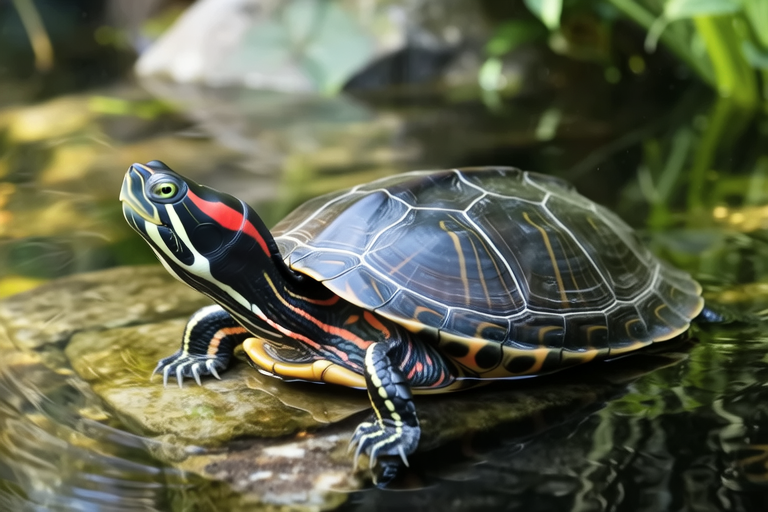
Welcome to your comprehensive guide on caring for Red-Eared Sliders (RES)! This popular aquatic turtle species, known for their vibrant red patches behind each eye, requires specific care to thrive. From habitat setup to dietary needs, we’ll cover everything you need to know to provide the best possible life for your RES.
Habitat Setup
The first step in creating a comfortable home for your turtle is setting up an appropriate habitat. RES are semi-aquatic, so they require both water and land areas within their enclosure. For hatchlings, a 20-gallon tank will suffice, but as they grow, larger tanks or outdoor ponds become necessary.
- Water Area: Ensure that the water is deep enough for swimming and provides room for movement. A filtration system helps maintain water cleanliness, preventing harmful bacteria growth.
- Basking Area: A basking platform, such as a floating dock or submerged rocks, allows turtles to dry off completely between swims. UVB lighting is crucial for calcium absorption and overall health.
- Temperature Control: Maintain water temperatures between 75-80°F (24-27°C) and basking spots at around 90°F (32°C). Use a submersible heater and a heat lamp for consistent warmth.
Scientifically speaking, RES bask to regulate body temperature and aid digestion. Providing adequate space for both activities mimics their natural behavior.
Water Quality Maintenance
Keeping water clean is vital for your turtle’s health. Regular water changes, weekly partial changes, and thorough cleaning of the enclosure prevent bacterial and fungal infections.
- Filter Maintenance: Clean filters every two weeks to remove waste and debris.
- Water Testing: Use test kits to monitor pH levels, ammonia, nitrite, and nitrate concentrations. Ideal pH ranges from 6.5 to 8.0.
- Chemical Additives: Avoid adding any chemicals to the water, as these can harm your turtle.
Remember, RES are sensitive to poor water conditions. By maintaining optimal water quality, you’re supporting their immune systems and promoting longevity.
Diet Specifics
Feeding your turtle a balanced diet ensures proper growth and health. Younger turtles have higher protein requirements, while adults need more plant-based foods.
- Protein Sources: Offer high-quality commercial pellets, live insects, and occasional feeder fish. Feed young turtles daily, reducing frequency as they mature.
- Vegetables and Fruits: Introduce leafy greens like romaine lettuce, dandelion greens, and collard greens. Occasional treats of fruits, such as strawberries or melons, are acceptable.
- Calcium Supplementation: Dust food with calcium powder to support shell development and overall bone health.
Scientifically, RES rely on calcium for strong shells and bones. Ensuring adequate intake through diet prevents metabolic bone disease.
Health Care
Regular health checks and prompt veterinary care are essential. Look for signs of illness, such as lethargy, loss of appetite, swollen eyes, or shell discoloration.
- Veterinary Visits: Schedule annual check-ups with a reptile-savvy veterinarian.
- Environmental Adjustments: If your turtle shows signs of stress or discomfort, consider adjusting water parameters or enclosure size.
- Emergency Care: Familiarize yourself with basic first aid procedures, such as treating minor wounds or administering antibiotics under a vet’s guidance.
Early intervention is key to managing potential health issues. By staying vigilant, you can address problems before they escalate.
Common Mistakes to Avoid
Even experienced turtle owners may overlook certain aspects of care. Here are some common pitfalls:
- Underestimating Space Needs: Providing insufficient space restricts movement and leads to stress.
- Inadequate Filtration: Poor filtration results in dirty water, increasing the risk of infection.
- Improper Diet: Feeding too many protein-rich foods can cause obesity and other health issues.
- Lack of UVB Lighting: Insufficient UVB exposure hinders calcium absorption and weakens the immune system.
Avoiding these mistakes will help create a healthier environment for your RES.
Tips for Different Life Stages
Hatchlings
Newborn turtles require special attention. Their small size means they can’t swim well initially, so shallow water areas are ideal. Keep the enclosure warm and humid to encourage healthy growth.
- Enclosure Size: Start with a 20-gallon tank, gradually increasing as they grow.
- Diet: Focus on protein-rich foods like bloodworms and krill.
- Handling: Minimize handling to avoid stress.
Understanding the unique needs of hatchlings sets them up for a successful start in their new home.
Adults
As turtles reach adulthood, their care needs evolve. They become more active swimmers and require larger enclosures. Adult RES benefit from varied diets and increased social interaction.
- Enclosure Size: Outdoor ponds or large indoor tanks offer ample space for exercise.
- Diet: Provide a mix of proteins, vegetables, and fruits.
- Social Interaction: Consider getting a companion turtle if space permits.
Maintaining a stimulating environment keeps adult RES engaged and healthy.
Elderly Turtles
Elderly turtles, often over 20 years old, face different challenges. Their metabolism slows down, requiring adjustments in diet and activity levels.
- Diet: Reduce protein intake and focus on easily digestible foods.
- Activity: Provide gentle exercise opportunities, such as shallow water areas.
- Monitoring: Regular health checks ensure early detection of age-related issues.
With proper care, elderly turtles can enjoy long, fulfilling lives.
Conclusion
Caring for Red-Eared Sliders involves commitment and knowledge. By understanding their natural behaviors and needs, you can provide a nurturing environment that supports their health and happiness. Whether you’re a novice or experienced turtle owner, following these guidelines will help you create a thriving home for your pet.