
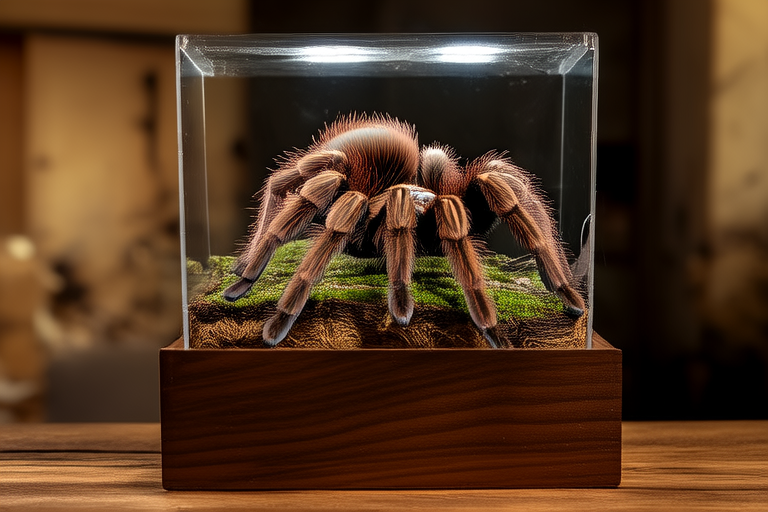
Setting Up the Perfect Habitat for Your Chilean Rose Tarantula: Insider Tips
Welcome to your guide on creating the ideal habitat for your Chilean Rose Tarantula! This friendly, docile species is a favorite among tarantula enthusiasts, both beginners and experienced keepers alike. By following this comprehensive guide, you’ll ensure that your pet thrives in a safe, comfortable environment.
Habitat Setup
The first step in setting up your Chilean Rose Tarantula’s home is choosing the right enclosure. A glass terrarium or plastic critter keeper works well, ensuring proper ventilation. The size of the enclosure should be at least three times the leg span of your tarantula. For an adult, this means a minimum of 10 gallons, with more space being beneficial.
Temperature and Humidity Requirements
Maintaining the correct temperature and humidity levels is crucial for your tarantula’s health. Aim for a temperature range between 78°F and 85°F (25°C – 29°C). You can achieve this by using a heat mat placed under one side of the enclosure, allowing for a temperature gradient. A digital thermometer with a probe will help monitor these conditions accurately.
Humidity should be kept around 60% to 70%. To maintain this, mist the enclosure lightly once or twice a week, ensuring good airflow to prevent mold growth. Monitor humidity levels with a hygrometer.
Substrate Types Suitable for Tarantulas
Selecting the right substrate is important for your tarantula’s comfort and health. Coconut fiber, cypress mulch, or a mix of peat moss and vermiculite are excellent choices. These substrates retain moisture well and provide a natural feel for your tarantula. Avoid using cedar or pine shavings, as they may cause respiratory issues.
Appropriate Hiding Spots
Your tarantula needs a cozy place to retreat and hide. Offer a variety of hiding spots such as cork bark, half logs, or clay flower pots. Make sure these items are secure and won’t tip over easily. Providing multiple hiding spots gives your tarantula options and helps reduce stress.
Feeding Guidelines
Chilean Rose Tarantulas are primarily insectivores. Feed them crickets, mealworms, or dubia roaches. Juveniles should be fed every 3-4 days, while adults can be fed weekly. Always remove uneaten prey after 24 hours to prevent contamination. Gut loading the insects with nutrient-rich foods before feeding them to your tarantula ensures better nutrition.
Cleaning and Maintenance Tips
Regular cleaning keeps your tarantula’s enclosure clean and reduces the risk of diseases. Spot clean daily by removing any waste or dead insects. Deep clean the enclosure every 1-2 months, replacing the substrate and thoroughly disinfecting all accessories. Use a mild, pet-safe disinfectant and rinse thoroughly before returning the items to the enclosure.
Common Mistakes to Avoid
- Overheating: Keep the temperature within the recommended range to prevent stress and potential health issues.
- Incorrect Substrate: Using inappropriate substrates can lead to respiratory problems or difficulty burrowing.
- Insufficient Hiding Spots: Lack of hiding places can cause stress and make your tarantula more prone to attacks from other pets.
- Improper Feeding: Overfeeding or feeding unsuitable prey can lead to obesity and digestive issues.
Signs of a Healthy Environment
A healthy Chilean Rose Tarantula is active and alert. They should be regularly seen moving about their enclosure during the night when they are most active. Their exoskeleton should be smooth and intact without any discoloration or lesions. Regular molting is another sign of good health; ensure that the old skin is fully shed and discarded properly.
Conclusion
Creating the perfect habitat for your Chilean Rose Tarantula requires attention to detail and regular care. By setting up the right environment, monitoring temperature and humidity, selecting appropriate substrate and hiding spots, and maintaining a healthy feeding routine, you’re providing your tarantula with everything it needs to thrive. Remember, each tarantula is unique, so pay close attention to its behavior and adjust the habitat as necessary. With this guide, you’re well on your way to becoming a successful tarantula owner!