
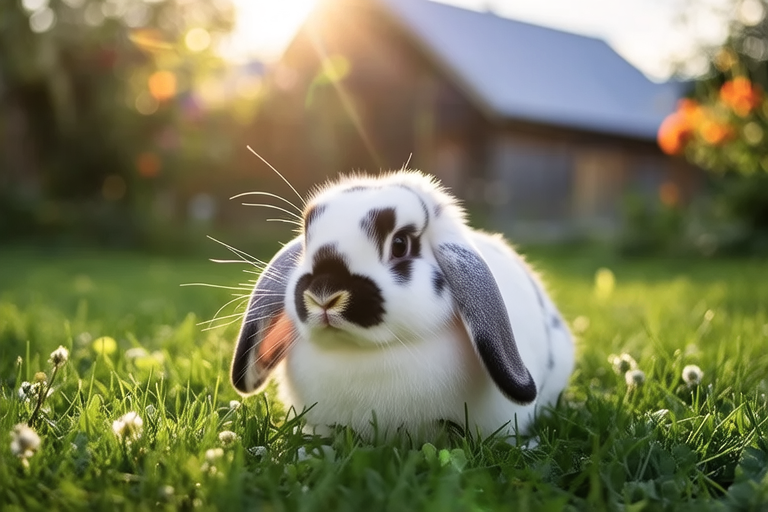
Lop Rabbits: From Barnyards to Bedroom Pets
With their floppy ears and friendly demeanor, Lop rabbits have captured the hearts of many pet lovers around the world. These charming creatures have evolved from humble origins in barnyards to become one of the most popular household pets. This article will delve into the fascinating history of Lop rabbits, explore their physical characteristics, discuss their care requirements, and highlight interesting facts about various Lop breeds.
The History of Lop Rabbits
The origins of Lop rabbits can be traced back several centuries, where they were primarily bred for meat and fur in European countries. Their large size and dense coats made them ideal for these purposes. However, it was their gentle nature and affectionate disposition that eventually led to their popularity as pets. Over time, selective breeding focused on enhancing their physical traits and temperament, resulting in the diverse array of Lop breeds we see today.
One of the earliest documented mentions of Lop rabbits dates back to the 16th century in Spain. The Spanish Lop, also known as the “Giant Lop,” is believed to be one of the oldest Lop breeds. These rabbits were initially kept by farmers who valued their meat and wool. As rabbit keeping became more widespread across Europe, other breeds emerged, each with unique characteristics that contributed to the development of modern Lop breeds.
By the 19th century, Lop rabbits had begun to gain recognition at agricultural shows and exhibitions. Breeders started to focus on refining their appearance and temperament, leading to the creation of new breeds like the English Lop and French Lop. In the early 20th century, smaller Lop breeds such as the Holland Lop and Miniature Lop were developed, making them more suitable for indoor living and companionship.
Physical Characteristics of Lop Rabbits
Lop rabbits are easily recognizable by their signature drooping ears, which can measure up to 8 inches (20 cm) long. These ears are often covered in soft fur, adding to their overall appearance. The length and shape of the ears vary depending on the breed, with some having longer, more pointed ears and others having shorter, rounder ones.
Besides their distinctive ears, Lop rabbits come in a wide range of colors and patterns, including solid colors like white, black, and brown, as well as mixed patterns like tortoiseshell and broken. Their coat thickness also differs between breeds, with some having thick, plush coats and others having shorter, finer fur.
In terms of size, Lop rabbits range from small to large, with the Miniature Lop weighing around 3-4 pounds (1.4-1.8 kg) and the Giant Lop reaching weights of up to 15 pounds (6.8 kg). Their bodies are typically compact and muscular, with strong legs and feet that allow them to move efficiently on the ground.
Temperament and Care Requirements
Lop rabbits are known for their calm and docile nature, making them excellent companions for people of all ages. They are generally good-natured and enjoy human interaction, often seeking out attention and affection from their owners. However, like any animal, individual personalities may vary, so it’s important to spend time getting to know your Lop rabbit before bringing them home.
Caring for a Lop rabbit requires attention to their specific needs. Providing a spacious and comfortable living environment is crucial, as they need enough room to stretch, hop, and play. A large cage or enclosure with plenty of bedding material is recommended, along with regular opportunities for exercise outside the cage. Lop rabbits are active animals that enjoy exploring their surroundings, so it’s essential to supervise them when they’re out of their enclosure to ensure their safety.
Diet is another important aspect of Lop rabbit care. A balanced diet consisting of high-quality hay, fresh vegetables, and pellets formulated for rabbits is necessary to maintain their health. Clean water should always be available, and treats should be given sparingly to avoid obesity. Regular grooming is also essential, especially for breeds with longer coats, to prevent matting and keep their fur healthy.
Lastly, Lop rabbits require regular veterinary care, including annual check-ups and vaccinations. Spaying or neutering your rabbit is highly recommended to prevent unwanted pregnancies and reduce the risk of certain health issues. Proper socialization and training can help ensure your Lop rabbit becomes a well-adjusted and happy pet.
Interesting Facts About Different Lop Breeds
English Lop
The English Lop is one of the largest Lop breeds, known for its exceptionally long ears that can reach lengths of up to 24 inches (61 cm). These rabbits have a sturdy build and a calm temperament, making them suitable for both show and companion purposes. Their long ears require special care to prevent injury, so they should be handled gently and provided with a soft, padded surface to rest on.
French Lop
The French Lop is another large Lop breed, characterized by its robust body and short, thick ears. Originating from France in the 19th century, this breed was developed by crossing English Lops with local breeds. French Lops are known for their intelligence and friendly nature, making them great pets for families. They thrive in social environments and enjoy interacting with their owners.
Holland Lop
The Holland Lop is the smallest of the recognized Lop breeds, standing at just 4-6 pounds (1.8-2.7 kg). Despite their petite size, Holland Lops have a big personality and are highly sought after as show rabbits and companions. Their compact body and expressive faces make them adorable, and their gentle nature makes them easy to handle. Holland Lops come in a variety of colors and patterns, adding to their charm.
Miniature Lop
The Miniature Lop is slightly larger than the Holland Lop, weighing between 5-7 pounds (2.3-3.2 kg). These rabbits are known for their playful and energetic nature, often displaying a curious and adventurous spirit. Miniature Lops are ideal for apartment living due to their manageable size, but they still require ample space for exercise and stimulation. Their friendly disposition and striking appearance make them popular choices for first-time rabbit owners.
How Lop Rabbits’ Role Has Evolved Over Time
Over the years, Lop rabbits have transitioned from being primarily used for food and fur to becoming beloved pets. This shift reflects changing attitudes towards animal welfare and the growing appreciation for small, domesticated animals as companions. Today, Lop rabbits are cherished for their affectionate nature, gentle disposition, and ability to form strong bonds with their owners.
The rise of social media and online communities has further contributed to the popularity of Lop rabbits, showcasing their unique features and endearing personalities to a wider audience. Many people now adopt Lop rabbits not only for their companionship but also for the joy they bring through their playful antics and interactions.
As Lop rabbits continue to grow in popularity, it’s important for potential owners to consider the responsibilities involved in caring for these animals. By providing proper care, attention, and love, Lop rabbits can bring years of happiness and companionship to their human families.
Conclusion
Lop rabbits have come a long way since their days in barnyards, evolving into cherished pets that bring joy and companionship to countless households. With their distinctive floppy ears, friendly demeanor, and diverse range of breeds, Lop rabbits offer something special for every type of pet owner. Whether you’re looking for a calm and gentle companion or an energetic playmate, there’s likely a Lop breed that suits your needs. By understanding their history, physical characteristics, and care requirements, you can ensure that your Lop rabbit thrives and brings happiness to your life.