
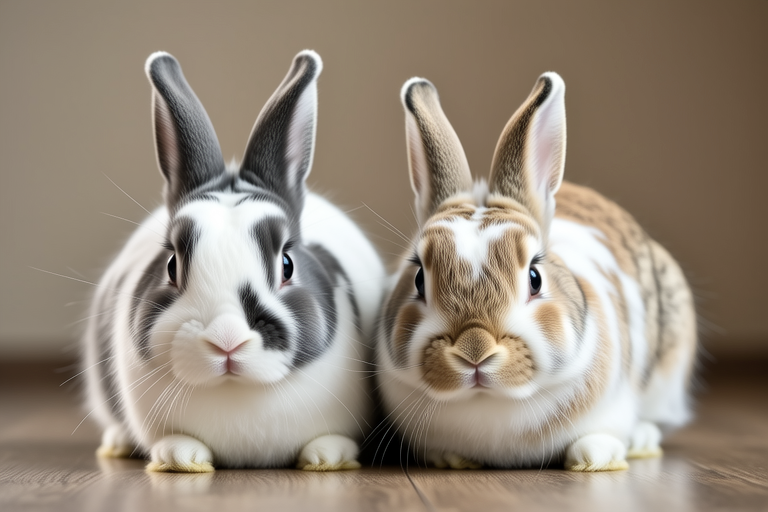
Lop Rabbits Unveiled: Fun Facts and Fascinating Traits
Welcome to the world of lop rabbits! These charming creatures have captured the hearts of many with their floppy ears and gentle nature. Whether you’re a seasoned rabbit owner or considering adding one to your family, this guide will provide you with all the information you need to know about these delightful animals.
History of Lop Rabbits
The origins of lop rabbits can be traced back to Europe, where they were first bred in the 16th century. The Netherland Dwarf and French Lops are two of the earliest breeds, known for their distinctively drooping ears. Over time, selective breeding has led to the development of various lop rabbit breeds, each with its own unique characteristics. Today, lop rabbits are popular pets around the world, cherished for their friendly demeanor and adorable appearance.
Different Types of Lop Rabbits
- English Lop: This is the largest of the lop breeds, with long ears that can reach up to 24 inches in length. They are known for their calm and gentle temperament, making them ideal companions for families.
- Flemish Giant Lop: A giant among rabbits, the Flemish Giant Lop can weigh up to 14 pounds. Their large size requires more space and attention but they offer a loyal and affectionate presence.
- Miniature Lop: As the name suggests, Miniature Lops are smaller versions of their larger counterparts. They typically weigh between 3 to 5 pounds and are perfect for those who prefer a compact pet.
- Swedish Lop: Originating from Sweden, this breed is recognized for its robust build and expressive eyes. Swedish Lops are known for their friendly and sociable nature, often seeking out human interaction.
Physical Characteristics
Lop rabbits are easily recognizable by their signature drooping ears, which can range from short to long depending on the breed. Their soft, dense fur comes in a variety of colors and patterns, adding to their charm. On average, lop rabbits live between 8 to 12 years, though this can vary based on genetics, diet, and care.
One fascinating trait of lop rabbits is their ability to communicate through body language. A relaxed posture with ears flopped forward indicates contentment, while raised ears may suggest alertness or curiosity. Understanding these signals can help strengthen the bond between you and your furry friend.
Temperament
Lop rabbits are generally known for their docile and friendly nature. They tend to be calm and patient, making them excellent companions for children and adults alike. However, it’s important to note that each rabbit has its own personality, so individual temperaments can vary. Providing plenty of socialization and positive reinforcement training can help ensure your lop rabbit becomes a loving and interactive pet.
Despite their gentle demeanor, lop rabbits can exhibit playful behavior. Many enjoy exploring their surroundings, digging, and playing with toys. Encouraging these activities not only keeps your rabbit entertained but also promotes mental and physical stimulation.
Care Requirements
Proper care is essential for keeping your lop rabbit healthy and happy. Here are some key considerations:
- Diet: A balanced diet consisting of hay, fresh vegetables, and a limited amount of pellets is crucial for maintaining good health. Avoid feeding your rabbit sugary treats or excessive amounts of fruits, as these can lead to digestive problems.
- Housing: Provide a spacious and comfortable living environment, preferably indoors, to protect your rabbit from extreme temperatures and predators. The cage should be large enough for your rabbit to stretch out fully and move around freely.
- Grooming: Regular grooming helps keep your rabbit’s coat clean and free of tangles. Brush your lop rabbit at least once a week, paying special attention to areas prone to matting, such as behind the ears and under the chin.
- Exercise: Daily exercise is vital for your rabbit’s physical and mental well-being. Allow your rabbit supervised time outside of its cage to explore and play in a safe area.
Common Health Issues
While lop rabbits are generally hardy, they can be susceptible to certain health problems. Regular veterinary check-ups and proper care can help prevent or manage these issues:
- Tooth Problems: Overgrown teeth can cause discomfort and difficulty eating. Providing chew toys and ensuring a diet rich in fibrous foods can help maintain dental health.
- Ear Infections: Due to their long, floppy ears, lop rabbits are prone to ear infections. Keep their ears clean and dry, and consult a veterinarian if you notice any signs of infection, such as redness, swelling, or discharge.
- Respiratory Issues: Lop rabbits can develop respiratory problems, especially if they are exposed to dusty environments or poor ventilation. Ensure your rabbit’s living space is clean and well-ventilated.
Interesting Behaviors
Lop rabbits display a range of intriguing behaviors that make them unique and entertaining pets:
- Thumping: When feeling threatened or anxious, a lop rabbit may thump its hind legs against the ground. This behavior serves as a warning to other rabbits in the vicinity.
- Binky: A binky is a joyful leap or twist in the air, often accompanied by kicking or spinning. This playful gesture is a sign of happiness and excitement.
- Grooming: Like cats, rabbits spend a significant amount of time grooming themselves. They also engage in mutual grooming with their companions, strengthening social bonds.
Popular Myths About Lop Rabbits
There are several misconceptions surrounding lop rabbits that it’s important to address:
- Myth: All lop rabbits are calm and docile. While lop rabbits are generally gentle, each rabbit has its own personality. Some may be more active or independent than others.
- Myth: Lop rabbits require less exercise than other breeds. Despite their laid-back nature, lop rabbits still need regular physical activity to stay healthy and happy.
- Myth: Lop rabbits are low-maintenance pets. While lop rabbits are relatively easy to care for, they still require attention, proper nutrition, and a stimulating environment.
Tips for Choosing the Right Breed
When selecting a lop rabbit as a pet, consider the following factors:
- Size: Choose a breed that fits well within your living space and lifestyle. For example, if you live in a small apartment, a Miniature Lop might be more suitable than an English Lop.
- Activity Level: If you lead a busy lifestyle, a calmer breed like the English Lop may be preferable. Conversely, if you enjoy an active and playful pet, the Swedish Lop could be a better fit.
- Coat Type: Consider the amount of time you’re willing to dedicate to grooming. Long-haired breeds, such as the English Lop, require more frequent brushing to prevent matting.
Conclusion
Lop rabbits are truly remarkable animals, offering companionship, entertainment, and joy to their owners. By understanding their history, physical traits, temperament, care requirements, and interesting behaviors, you can provide the best possible life for your lop rabbit. Remember to choose the right breed for your lifestyle and be prepared to invest time and effort into their care. With proper attention and love, your lop rabbit will become a cherished member of your family for years to come.