
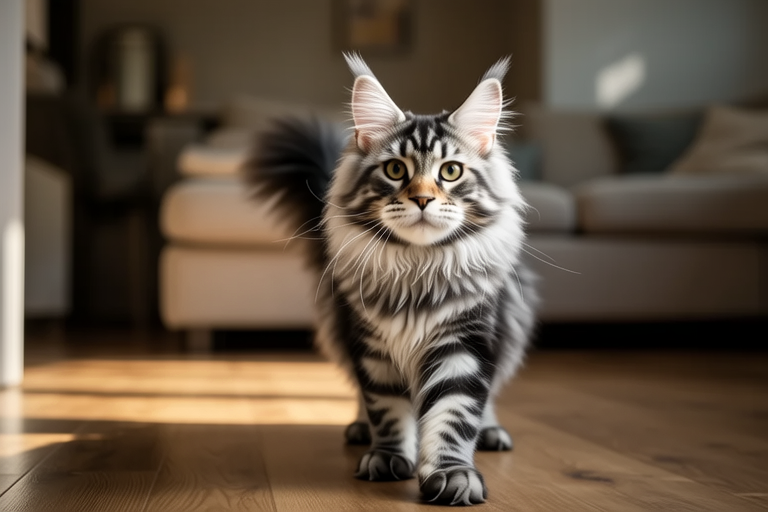
Unraveling the Mystery Behind the Maine Coon’s Size
The Maine Coon is one of the largest domesticated cat breeds, known for its impressive size and majestic appearance. This breed has captured the hearts of many cat enthusiasts worldwide, not only because of its striking looks but also due to its gentle and friendly nature. With males typically weighing between 9 to 16 pounds and females ranging from 7 to 12 pounds, Maine Coons can reach lengths of up to 48 inches, including their tail.
Origins and Myths
The origins of the Maine Coon are steeped in mystery and folklore. One popular myth suggests that the breed is the result of mating between domestic cats and raccoons, which explains the name “Maine Coon.” However, this theory is biologically impossible. The more plausible explanation is that the breed descended from domestic cats brought over by European settlers in New England during the 18th century. These cats interbred with local short-haired breeds, creating a robust, hardy breed well-suited to the harsh New England winters.
Historical accounts indicate that the Maine Coon was a favorite among farmers for its excellent mousing skills. They were often kept as working cats, helping to control rodent populations around barns and farms. Their adaptability and intelligence made them indispensable companions. By the late 19th century, the breed gained popularity in cat shows, with the first recorded show being held in 1868 at Clifton, Maine.
Genetic Factors
The genetic factors influencing the Maine Coon’s size have been the subject of several scientific studies. One significant factor is the polydactyl gene, which causes some individuals to have extra toes. While this trait does not directly affect size, it is indicative of the breed’s unique genetic makeup. Another important genetic component is the presence of a specific gene variant linked to increased bone density and muscle mass. This gene, identified through genome-wide association studies, contributes significantly to the breed’s robust physique.
Researchers have also explored the role of environmental factors in shaping the Maine Coon’s size. Studies suggest that early nutrition plays a critical role in determining an individual’s final adult size. Kittens born to well-nourished mothers tend to be larger and healthier, setting the stage for their future growth potential. Additionally, the breed’s genetic predisposition to larger size is enhanced when they are provided with optimal living conditions and a balanced diet.
Comparison with Other Large Cat Breeds
While the Maine Coon is one of the largest domesticated cat breeds, it is not alone in this category. Other notable large breeds include the Ragdoll, Norwegian Forest Cat, and Siberian. However, each breed has unique characteristics that set it apart from the others.
- Ragdoll: Known for their docile temperament and tendency to go limp when picked up, Ragdolls are generally smaller than Maine Coons. Adult males typically weigh between 10 to 15 pounds, while females range from 8 to 12 pounds.
- Norwegian Forest Cat: Similar in size to the Maine Coon, these cats are native to Norway and have adapted to cold climates. Males usually weigh between 13 to 17 pounds, and females range from 9 to 12 pounds.
- Siberian: Originating from Russia, the Siberian is another large breed, with males weighing between 15 to 20 pounds and females ranging from 10 to 15 pounds. Like the Maine Coon, they are known for their thick, luxurious coats.
Despite their similarities in size, these breeds differ in terms of coat texture, color, and personality traits. For instance, the Maine Coon is characterized by its long, silky fur and tufted ears, which contribute to its distinctive appearance. Additionally, the breed’s friendly and social nature sets it apart from other large breeds.
Diet, Health, and Lifestyle
The diet, health, and lifestyle of Maine Coons play crucial roles in determining their size and overall well-being. A balanced diet rich in proteins, fats, and essential nutrients is vital for maintaining their muscular build and healthy weight. High-quality cat food formulated specifically for large breeds is recommended, as it provides the necessary vitamins and minerals required for optimal growth and development.
Regular veterinary check-ups are essential for monitoring the health of Maine Coons. Due to their size, they are prone to certain health issues such as hip dysplasia and cardiomyopathy. Early detection and treatment can help manage these conditions effectively. Additionally, regular exercise and mental stimulation are crucial for maintaining a healthy weight and preventing obesity-related problems.
The lifestyle of Maine Coons also influences their size and behavior. These cats are highly adaptable and enjoy both indoor and outdoor environments. Providing them with opportunities for physical activity, such as climbing trees or playing interactive games, helps keep them fit and healthy. Social interaction with humans and other pets is equally important, as it promotes emotional well-being and reduces stress.
Ongoing Research and Speculation
Despite extensive research, the exact reasons behind the Maine Coon’s large size remain somewhat speculative. Some experts believe that the breed’s genetic diversity, resulting from centuries of natural selection, has contributed to its robust physique. Others speculate that the breed’s adaptation to harsh New England winters has played a significant role in shaping its size and endurance.
Ongoing research continues to explore the genetic and environmental factors that influence the Maine Coon’s growth. Scientists are particularly interested in identifying specific gene variants associated with increased bone density and muscle mass. Understanding these genetic components could provide valuable insights into the breed’s unique characteristics and help improve breeding practices.
As our knowledge of genetics and animal behavior expands, so too will our understanding of the Maine Coon’s remarkable size. Encouraging further exploration into this fascinating breed will undoubtedly lead to new discoveries and deepen our appreciation for these magnificent creatures.