
Adorable Yet Often Misunderstood: What You Need to Know About Mini Pigs
Welcome to a delightful journey into the world of mini pigs! These charming creatures have captured the hearts of many pet lovers with their cute faces and seemingly endless curiosity. However, there’s much more to mini pigs than meets the eye. They are often misunderstood regarding their size, care requirements, and overall suitability as pets. In this article, we’ll delve into the fascinating world of mini pigs, covering everything from their appearance and dietary needs to their interaction with humans and the considerations for potential owners.
The Charming Appearance of Mini Pigs
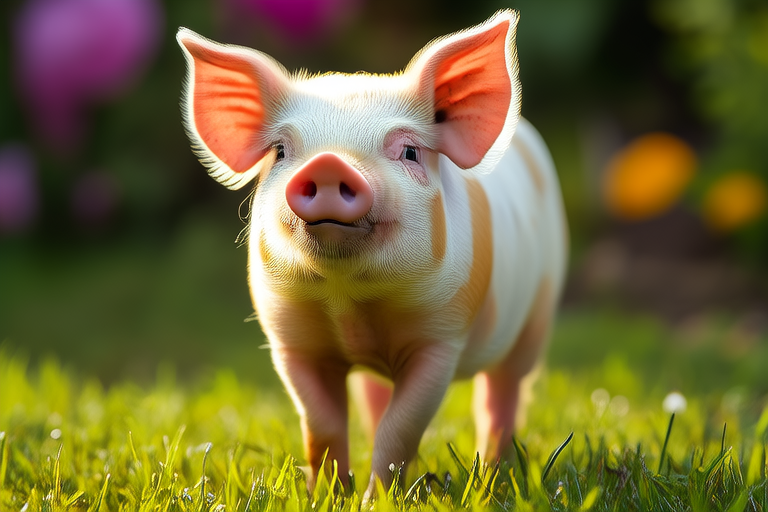
Mini pigs, also known as teacup or micro pigs, are undeniably adorable. Their small size, ranging from 20 to 75 pounds, makes them seem like the perfect pet for almost any home. Their snouts, curly tails, and soft, sometimes spotted coats add to their appeal. However, it’s important to recognize that their appearance can be deceiving. Many people mistakenly believe that mini pigs will remain tiny throughout their lives, but this is far from the truth. Proper breeding and genetics are crucial for determining a mini pig’s final size, and even then, they can still grow to be larger than expected.
Common Misconceptions About Mini Pigs
One of the most widespread misconceptions about mini pigs is that they require minimal care. This couldn’t be further from the truth. Mini pigs need just as much attention and care as any other pet. Another misconception is that they can live comfortably in apartments. While some mini pigs can adapt to apartment living, it requires careful consideration and planning to ensure their well-being.
Dietary Needs of Mini Pigs
Feeding a mini pig properly is crucial for maintaining their health and longevity. A balanced diet consisting of high-quality pig feed, vegetables, fruits, and limited treats is essential. Avoid feeding them excessive amounts of human food, as it can lead to obesity and health issues. Mini pigs are omnivores, so they require a mix of proteins, fats, carbohydrates, vitamins, and minerals. Consult with a veterinarian or a nutritionist specializing in pigs to develop a tailored diet plan.
Exercise Needs of Mini Pigs
Like all animals, mini pigs need regular exercise to stay healthy and happy. Providing ample space for them to roam and explore is vital. Daily walks on a leash are beneficial, especially for pigs living in smaller homes. Mental stimulation is equally important, so consider providing toys and puzzles designed for pigs to keep them engaged and prevent boredom.
Grooming Tips for Mini Pigs
Mini pigs are relatively low-maintenance when it comes to grooming. Regular brushing helps to remove loose hair and dirt, keeping their coat clean and shiny. Bathing is necessary only occasionally, as frequent bathing can strip natural oils from their skin. Pay special attention to their hooves, trimming them regularly to prevent overgrowth and discomfort. Additionally, check their ears and eyes regularly for signs of infection or irritation.
Suitable Living Conditions for Mini Pigs
Mini pigs thrive in environments that offer both comfort and stimulation. Indoor housing should include a spacious area with bedding, a sheltered spot for sleeping, and toys for enrichment. Outdoor spaces should provide shade, protection from harsh weather, and areas for rooting and foraging. It’s important to ensure that their living quarters are secure to prevent escapes. Fencing should be strong and buried deep enough to deter digging.
The Intelligence of Mini Pigs
Mini pigs are incredibly intelligent animals. They can learn tricks, respond to commands, and even use litter boxes. Their intelligence makes them excellent companions, but it also means they require mental stimulation to prevent behavioral problems. Training sessions can be fun and rewarding for both you and your pig. Positive reinforcement techniques, such as treats and praise, work best for teaching mini pigs new behaviors.
Interaction with Humans
Mini pigs are social animals that form strong bonds with their owners. They enjoy being part of family activities and can be very affectionate. However, it’s important to respect their personal space and boundaries. Some mini pigs may be wary of strangers or react negatively to sudden movements or loud noises. Early socialization and consistent handling can help them become more comfortable around different people and situations.
Advice for Potential Owners
Before adopting a mini pig, it’s crucial to thoroughly research and prepare for the commitment. Consider the following:
- Space Requirements: Ensure you have adequate space for your mini pig to live comfortably. This includes both indoor and outdoor areas.
- Time Commitment: Mini pigs require daily care, including feeding, exercise, and grooming. Be prepared to dedicate time to their well-being.
- Financial Preparedness: Owning a mini pig involves ongoing costs, such as food, veterinary care, and supplies. Factor these expenses into your budget.
- Legal Considerations: Check local regulations regarding pig ownership. Some areas have restrictions or require permits for keeping pigs as pets.
- Commitment: Mini pigs can live up to 15 years, so be prepared for a long-term commitment. They form strong attachments and rely on their owners for care and companionship.
In conclusion, mini pigs are delightful, intelligent, and loving pets that bring joy to many households. By understanding their unique needs and challenges, you can provide a fulfilling life for your mini pig. With proper care, training, and love, these misunderstood creatures can be wonderful companions. If you’re considering adopting a mini pig, take the time to educate yourself and ensure you’re ready for the responsibility. Happy pig parenting!