
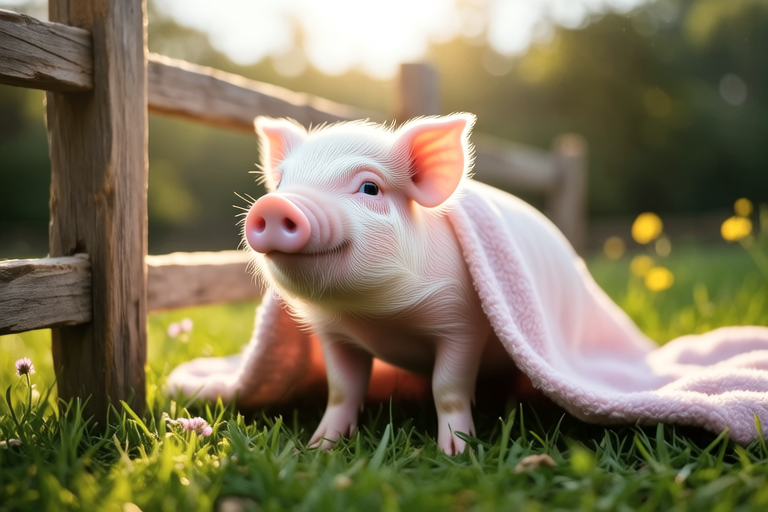
The Ultimate Guide to Caring for Your New Mini Pig BFF
Welcome to the wonderful world of mini pig ownership! Mini pigs are intelligent, social, and affectionate creatures that can make excellent companions. However, they require specific care and attention to ensure they live happy, healthy lives. This comprehensive guide will cover everything you need to know about caring for your new mini pig friend, from diet and housing to exercise, grooming, and training.
Mini Pig Diet: The Key to a Healthy Lifestyle
Feeding your mini pig correctly is crucial for their overall well-being. Mini pigs are omnivores, meaning they eat both plants and animals. Their diet should consist of high-quality commercial pig pellets, vegetables, fruits, and limited amounts of grains. Avoid feeding them avocados, rhubarb, and chocolate, as these can be toxic. Always provide fresh water and consult with a veterinarian to determine the appropriate amount of food based on your pig’s age, weight, and activity level.
Housing Requirements: Creating a Comfortable Home
Your mini pig needs a safe, comfortable living space that meets their physical and emotional needs. A spacious indoor pen or outdoor run with a shelter is ideal. Ensure the area is free from hazards like sharp objects, toxic plants, and small items they could ingest. Provide bedding made of straw or wood shavings, and add toys and enrichment items to stimulate their mind. Mini pigs enjoy company, so consider keeping them with another pig if possible.
Exercise Needs: Keeping Your Mini Pig Fit and Happy
Regular exercise is essential for maintaining your mini pig’s physical and mental health. Allow them to roam freely in a secure, pig-proofed area daily. Encourage playtime with toys and puzzles to keep them mentally stimulated. Remember, mini pigs are naturally curious and love to explore, so providing opportunities for them to move around is vital.
Grooming Tips: Maintaining Your Mini Pig’s Appearance
While mini pigs don’t require extensive grooming, regular maintenance is necessary to keep them clean and comfortable. Brush their coat weekly to remove dirt and loose hair, and trim their nails every few weeks. Check their ears and eyes regularly for signs of infection or irritation, and clean them gently if needed. Bathing your mini pig is generally unnecessary unless they get very dirty or have skin issues.
Health Considerations: Ensuring Your Mini Pig’s Wellbeing
Annual veterinary check-ups are essential for monitoring your mini pig’s health. Vaccinations, deworming, and dental care are necessary to prevent common diseases. Watch for signs of illness, such as lethargy, loss of appetite, or changes in behavior, and seek veterinary care immediately if you notice anything unusual. Spaying or neutering your mini pig can help prevent certain health issues and behavioral problems.
Training Methods: Teaching Your Mini Pig Good Habits
Positive reinforcement is the best approach when training your mini pig. Use treats, praise, and gentle commands to encourage desired behaviors. Be patient and consistent, and avoid punishment or harsh tones. Teach basic commands like “sit,” “stay,” and “come” to help manage your pig’s behavior. Socialization is also important; introduce your pig to different people, environments, and situations to build confidence and good manners.
Bonding Activities: Strengthening Your Relationship with Your Mini Pig
Spending quality time with your mini pig is essential for building a strong bond. Engage in activities they enjoy, such as playing fetch, walking on a leash, or simply lounging together. Mini pigs love attention and affection, so make time for cuddles, petting, and interaction. Establish routines and rituals to create a sense of security and trust.
Common Challenges: Overcoming Obstacles in Mini Pig Ownership
Ownership comes with its challenges, but with patience and understanding, you can overcome most obstacles. Common issues include destructive behavior, excessive digging, and weight management. Redirect destructive behavior by providing appropriate outlets for energy and curiosity. Manage weight by controlling portion sizes and ensuring regular exercise. Seek professional advice if you encounter persistent problems.
Myths About Owning Mini Pigs
There are many misconceptions about mini pigs that can lead to misunderstandings and poor care. Here are some common myths debunked:
- Myth: Mini pigs are easy to housebreak. Reality: While some pigs may learn to use a litter box, it’s not always reliable, and accidents can happen.
- Myth: Mini pigs don’t require much space. Reality: Mini pigs need ample room to move around and explore to stay healthy and happy.
- Myth: Mini pigs are low-maintenance pets. Reality: Mini pigs require daily care, attention, and stimulation to thrive.
Conclusion: Embracing the Journey with Your Mini Pig
Owning a mini pig is a rewarding experience that requires commitment and dedication. By providing proper care, attention, and affection, you can ensure your mini pig lives a long, healthy, and happy life. Remember, each pig is unique, so take the time to understand their individual needs and preferences. With patience, love, and effort, you and your mini pig can form an unbreakable bond and enjoy countless adventures together.