
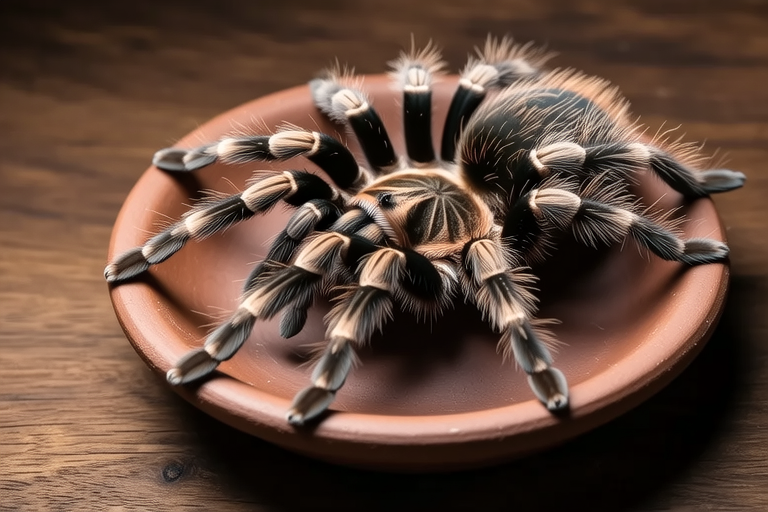
Tarantulas: Myth vs Reality – Debunking Common Misconceptions
With their large size, hairy bodies, and fearsome fangs, tarantulas have long been the subject of both fascination and dread. These spiders, found in various parts of the world, have an intimidating reputation that has led to numerous misconceptions. From being perceived as aggressive and deadly to the belief that they are completely blind, tarantulas have been the victims of many myths. This article aims to separate fact from fiction by exploring the common misconceptions about tarantulas and providing accurate information about their behavior, physiology, and habitat.
Myths and Realities
Myth: Tarantulas are aggressive and attack humans frequently.
One of the most pervasive myths about tarantulas is that they are aggressive and prone to attacking humans. In reality, tarantulas are generally docile creatures that prefer to avoid confrontation. They are solitary animals that spend most of their time in burrows or among foliage, hunting for insects and other small prey. When it comes to human interaction, tarantulas will only bite if they feel threatened or cornered. Even then, their bites are rarely serious. According to statistics, tarantula bites are extremely rare and almost never result in fatalities. Instead of aggression, tarantulas rely on their impressive size and formidable appearance as a form of defense against potential predators. Their primary defensive mechanism involves raising their front legs and displaying their fangs, which is often enough to deter most threats.
Reality: Tarantulas are generally non-aggressive and pose little threat to humans.
Contrary to popular belief, tarantulas are not aggressive and do not actively seek out humans to attack. In the rare instances where a tarantula does bite, the venom is typically mild and causes localized pain, similar to a bee sting. The severity of the reaction can vary depending on the species of tarantula and the individual’s sensitivity to the venom. However, even in cases of more potent venom, the effects are usually minor and do not require medical intervention. It is important to note that tarantulas are not interested in humans as prey and will only resort to biting as a last resort when they feel their safety is at risk.
Myth: All tarantulas are deadly poisonous.
Another widespread myth about tarantulas is that their venom is highly toxic and can be fatal to humans. While tarantulas do possess venom, it is generally not considered dangerous to people. The venom of most tarantula species is primarily used to subdue and immobilize their insect prey. It contains neurotoxins that affect the nervous system of smaller animals but has little to no effect on larger organisms like humans. In fact, tarantula venom is so mild that it is often compared to the venom of a bee or wasp. While a tarantula bite may cause some discomfort and localized swelling, it is not life-threatening. There have been no documented cases of human fatalities resulting from tarantula bites.
Reality: Tarantula venom is generally harmless to humans.
The venom of tarantulas is designed to paralyze small insects and other arthropods, not to harm humans. While the bite can cause some localized pain and swelling, it is comparable to the discomfort experienced from a bee sting. Some individuals may experience an allergic reaction, but this is rare. Medical attention is generally not required unless the person has a known allergy to insect stings. In most cases, basic first aid such as washing the area with soap and water and applying ice to reduce swelling is sufficient. It is worth noting that tarantulas have adapted their venom to be effective against their natural prey, not against much larger and more resilient creatures like humans.
Myth: Tarantulas are blind.
Despite their reputation as mysterious and elusive creatures, tarantulas are not blind. While their eyesight is not as sharp as that of some other animals, they do possess eight small eyes arranged in two rows on the top of their head. These eyes allow them to detect movement and light, helping them navigate their environment. Tarantulas also rely heavily on their other senses, particularly their sense of touch and vibrations. Their legs are equipped with thousands of sensitive hairs that can detect the slightest movements in the air, allowing them to sense approaching prey or potential threats. This combination of vision and heightened sensory perception enables tarantulas to move and hunt effectively in their natural habitats.
Reality: Tarantulas have functional vision and acute senses.
While tarantulas do not have excellent eyesight, they are far from blind. Their eight eyes are capable of detecting light and movement, which is sufficient for their needs in their natural environments. However, their primary method of sensing their surroundings is through their highly sensitive leg hairs. These hairs can detect changes in air currents, vibrations, and even chemical signals, making tarantulas adept at locating prey and avoiding danger. This multi-sensory approach allows tarantulas to navigate their surroundings efficiently, even in low-light conditions. Their ability to use multiple senses compensates for any limitations in their vision, ensuring they remain effective hunters and survivors.
Myth: Tarantulas leave their abdomens behind as a defense mechanism.
One of the most bizarre and enduring myths about tarantulas is that they can detach their abdomens as a defense mechanism. This misconception likely stems from the fact that some species of tarantulas can release urticating hairs from their abdomen as a defense mechanism. These tiny, barbed hairs can irritate the skin, eyes, and respiratory system of predators, causing discomfort and potentially deterring attacks. However, tarantulas do not literally leave their abdomens behind as part of their defense strategy. The urticating hairs are simply shed from specialized patches on the abdomen and are not a permanent loss of body parts. Once released, the hairs regrow over time, allowing the tarantula to continue using this defense mechanism in future encounters.
Reality: Tarantulas use urticating hairs for defense, not their abdomens.
The idea that tarantulas can leave their abdomens behind is a misunderstanding of their defensive tactics. Instead of sacrificing body parts, tarantulas employ urticating hairs as a means of protection. These specialized hairs are located on the opisthosoma (abdomen) and can be flicked off when the spider feels threatened. The hairs contain microscopic barbs that can irritate the skin and mucous membranes of predators, causing discomfort and potentially deterring further attacks. While the sensation can be unpleasant, it does not cause lasting damage to the tarantula. The hairs regenerate over time, allowing the spider to maintain this effective defense mechanism throughout its life.
Myth: Tarantulas cannot survive without large territories.
There is a common belief that tarantulas require vast territories to survive, which contributes to concerns about their impact on local ecosystems. In reality, tarantulas are adaptable creatures that can thrive in a variety of habitats, including urban and suburban areas. Many species of tarantulas are territorial, but their territories are relatively small compared to the vast ranges of some other animals. They do not need extensive areas to find food and shelter, and their presence in an ecosystem is generally beneficial rather than detrimental. Tarantulas help control populations of insects and other small invertebrates, contributing to the balance of their local environments.
Reality: Tarantulas can adapt to diverse habitats and do not require large territories.
Contrary to the myth, tarantulas are quite adaptable and can live in a wide range of habitats, from deserts and rainforests to urban and suburban areas. Their territories are typically small, consisting of a burrow or a secluded spot where they can rest and hunt. Many species of tarantulas are solitary and do not need extensive areas to find food or mates. In fact, their presence in an ecosystem is often beneficial, as they help control populations of insects and other small invertebrates. Tarantulas are opportunistic feeders that can adapt to the available resources in their environment, making them resilient and well-suited to a variety of habitats.
Conclusion
In conclusion, tarantulas are fascinating creatures that have been unfairly maligned by myths and misconceptions. By separating fact from fiction, we can gain a better understanding of these misunderstood arachnids. Tarantulas are generally non-aggressive, pose little threat to humans, and play an important role in their ecosystems. Their venom is harmless to people, and they are not blind but rely on a combination of vision and heightened sensory perception to navigate their surroundings. While they do use urticating hairs for defense, they do not sacrifice body parts as part of this strategy. Finally, tarantulas can adapt to diverse habitats and do not require large territories to survive. By debunking these myths, we can appreciate the complexity and wonder of tarantulas and view them with more understanding and less fear. Let us embrace the opportunity to learn more about these remarkable creatures and celebrate their unique place in nature.