
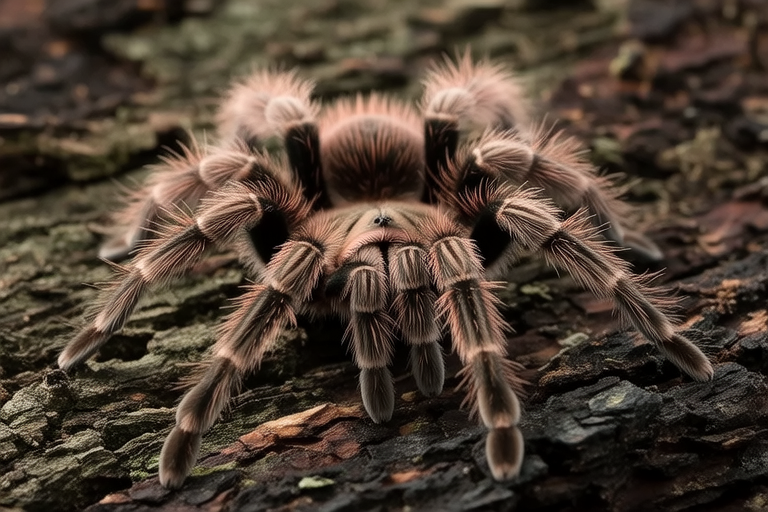
From Terrifying to Treasured: Why Tarantulas Make Unique Pets
Tarantulas have long been the subject of fear and misunderstanding, often portrayed as aggressive and dangerous creatures in popular media. However, these large spiders can make fascinating and rewarding pets for the right owner. This article aims to dispel common myths about tarantulas, introduce you to the diverse species suitable as pets, discuss their care requirements, highlight the unique benefits of owning one, and provide guidance on acquiring your first tarantula responsibly.
Dispelling Myths About Tarantulas
One of the most prevalent misconceptions about tarantulas is that they are highly aggressive. While all animals have the capacity to defend themselves, tarantulas are generally docile and will only bite if they feel threatened. Their bites, while painful, are no more dangerous than a bee sting to humans who are not allergic. Another myth is that tarantulas are venomous and deadly. Although tarantulas do possess venom, it is typically used to subdue prey rather than defend against predators. In rare cases, a bite might cause mild swelling or discomfort, but it is not life-threatening.
Diverse Species Suitable as Pets
The world of tarantulas offers a wide variety of species, each with its own unique characteristics. Some of the most popular species among tarantula enthusiasts include:
- Brown Recluse: Known for its gentle nature and docile temperament, this species is ideal for beginners. It prefers cooler temperatures and requires minimal handling.
- Cobalt Blue: This species is highly sought after for its striking blue coloration. It is moderately easy to care for but does require more attention to temperature and humidity.
- Chaco Golden Knee: A popular choice for its vibrant golden legs, this tarantula is relatively calm and adapts well to captivity.
Each species has specific care needs, so it’s important to research thoroughly before choosing which tarantula to adopt.
Care Requirements
Proper care is essential for ensuring the health and happiness of your tarantula. The enclosure should be spacious enough to allow the spider to move freely, with a substrate of coconut fiber or bark chips to maintain proper humidity levels. Temperature control is crucial; most species thrive between 75°F and 85°F. Feeding your tarantula appropriately is also vital. Crickets, mealworms, and small mice are common food sources, depending on the size of the spider.
Handling your tarantula should be done with care and respect. Always support the abdomen when moving the spider to prevent injury. Regular cleaning of the enclosure helps maintain optimal living conditions and prevents illness.
Aesthetic Appeal and Intriguing Behaviors
Tarantulas offer a unique visual appeal that many find captivating. Their large size and distinctive markings make them stand out as impressive pets. Additionally, tarantulas exhibit fascinating behaviors that can captivate their owners. Many species display interesting defense mechanisms, such as flicking urticating hairs from their abdomen when threatened. Others may engage in elaborate courtship dances or produce sounds through stridulation.
Observing these behaviors can provide hours of entertainment and learning opportunities for pet owners. The sheer diversity of species means there’s always something new to discover, whether it’s a new color variation or a unique behavior pattern.
Unique Benefits of Owning a Tarantula
Owning a tarantula can bring numerous benefits to its keeper. Firstly, tarantulas require less space and time commitment compared to other pets, making them ideal for individuals with busy lifestyles or limited living spaces. Secondly, caring for a tarantula can teach responsibility and foster a deeper understanding of wildlife conservation. Lastly, the bond formed between owner and pet can be incredibly rewarding, offering companionship without the demands of more traditional pets.
Responsible Acquisition of a Tarantula
When considering adding a tarantula to your household, it’s crucial to ensure ethical acquisition practices. Purchase your tarantula from reputable breeders or pet stores that prioritize animal welfare. Avoid buying wild-caught specimens, as this practice can contribute to habitat destruction and population decline. Research local laws and regulations regarding exotic pet ownership to ensure compliance.
Before bringing your new pet home, prepare its enclosure and gather necessary supplies. This includes an appropriate-sized tank, heating equipment, substrate, and food. Familiarize yourself with the specific needs of your chosen species to guarantee a healthy and happy environment.