
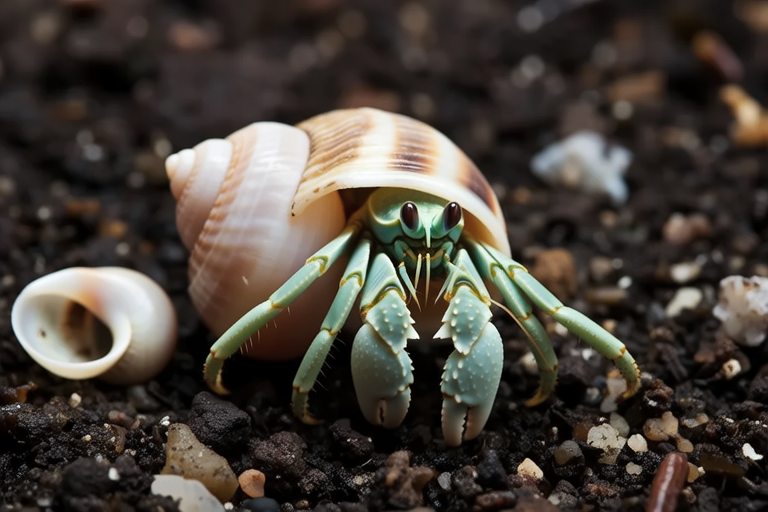
From Shell Swap to Substrate: Unraveling the Mystery of Hermit Crab Behavior
Welcome to the fascinating world of hermit crabs, where survival isn’t just about finding food or avoiding predators, but also about securing the perfect home. These crustaceans have evolved a unique relationship with discarded mollusk shells, using them as protective shelters. This article delves into the intricate behaviors of hermit crabs, focusing on their shell selection process, adaptation to new shells, and the environmental factors that influence these actions. We’ll explore their substrate preferences, the social dynamics during shell exchanges, and the challenges they face. By the end, you’ll be equipped with insights and tips for observing or caring for these captivating creatures.
The Quest for the Perfect Shell
Hermit crabs are meticulous when it comes to selecting their homes. The shell must offer protection from predators and harsh environmental conditions while allowing for movement and growth. The selection process is a blend of instinct and trial-and-error. Crabs assess the size, shape, weight, and thickness of the shell, ensuring it provides adequate space and security. A mismatched shell can lead to physical stress, making the crab more vulnerable to predators and environmental hazards.
As hermit crabs grow, they outgrow their shells, necessitating frequent changes. This leads to a dynamic shell market within hermit crab communities, where competition for suitable shells can be fierce. The process of exchanging shells is a delicate balance of timing and opportunity. Crabs often gather in groups, waiting for a chance to swap when a larger shell becomes available. This communal behavior showcases the social nature of hermit crabs and their reliance on each other for survival.
Adapting to New Shells
Once a hermit crab finds its ideal shell, it must adapt to its new home. The process involves adjusting to the weight and balance of the shell, ensuring it fits snugly. The crab may also modify the interior of the shell to suit its needs, adding substrate like sand or coconut fiber. This substrate serves multiple purposes: it provides insulation, aids in molting, and supports the crab’s respiratory system.
Molting is a critical stage in a hermit crab’s life cycle. During this period, the crab sheds its exoskeleton and grows a new one. The chosen shell must provide enough space for the crab to molt safely. Without adequate room, the crab risks injury or death. Therefore, selecting a shell that accommodates the crab’s current and future size is crucial.
Environmental Factors Influencing Shell Selection
The environment plays a significant role in shaping hermit crab behavior. Temperature, humidity, and water quality can influence their preference for certain shell types. In warmer climates, crabs may prefer lighter shells that allow for better heat dissipation, whereas in cooler regions, heavier shells might provide better insulation. Water quality also affects shell selection; crabs living in polluted waters may prioritize shells that protect against toxins.
Substrate preferences vary depending on the species and the local environment. Some hermit crabs favor fine sand, which allows for easy burrowing and nesting, while others prefer coarser substrates like crushed coral or gravel. The choice of substrate can impact the crab’s ability to move freely within the shell and its overall comfort. For example, a crab living in a sandy environment may prefer a smoother shell interior, facilitating easier movement through the substrate.
Social Dynamics During Shell Exchanges
Shell exchanges are a social event within hermit crab communities. These interactions are governed by a complex set of rules and behaviors. When a larger shell becomes available, smaller crabs form a line, each waiting for their turn to try on the new shell. If the shell is too large for the first crab, it passes it along to the next in line until a suitable match is found.
This cooperative behavior demonstrates the social structure of hermit crab communities. It also highlights the importance of sharing resources for the collective good. However, competition can sometimes lead to aggressive behavior, especially when a desirable shell is involved. Crabs may engage in brief skirmishes, using their claws to push or pinch each other. These conflicts are usually resolved quickly, with the dominant crab claiming the prize.
Potential Threats and Challenges
Despite their resourcefulness, hermit crabs face numerous threats in the wild. Predators such as octopuses, fish, and birds pose a constant danger. Additionally, pollution and habitat destruction threaten their survival. Plastic waste, in particular, poses a significant risk, as discarded items can resemble shells and attract crabs, only to trap or harm them.
In captivity, hermit crabs require careful attention to ensure their well-being. Providing a suitable habitat with ample hiding spots, proper substrate, and clean water is essential. Overcrowding can lead to increased stress and aggression, while inadequate environmental conditions can result in health issues. Regular monitoring and maintenance are necessary to maintain a healthy and thriving hermit crab community.
Tips for Observers and Caretakers
For those interested in observing or caring for hermit crabs, there are several tips to keep in mind:
- Provide a Variety of Shells: Offer a range of sizes and shapes to accommodate different stages of growth and individual preferences.
- Maintain Proper Environmental Conditions: Ensure the temperature, humidity, and water quality are suitable for the species you’re caring for.
- Observe Social Interactions: Watch how crabs interact during shell exchanges and other activities to gain insight into their behavior.
- Be Mindful of Aggression: Monitor for signs of stress or aggression, especially during molting or when introducing new crabs to the environment.
- Offer Nutritious Food: Provide a balanced diet that includes fresh vegetables, fruits, and protein sources to support their health.
By understanding and respecting the unique needs of hermit crabs, you can create a safe and enriching environment for these fascinating creatures. Whether you’re a novice enthusiast or an experienced caretaker, there’s always more to learn about the intricate world of hermit crabs.
Conclusion
Hermit crabs are masters of adaptation, relying on their keen instincts and social behaviors to thrive in challenging environments. From the careful selection of a new shell to the delicate process of adapting to their new home, every aspect of their lives is finely tuned for survival. By unraveling the mysteries of hermit crab behavior, we gain a deeper appreciation for these remarkable creatures and the complex ecosystems they inhabit.