
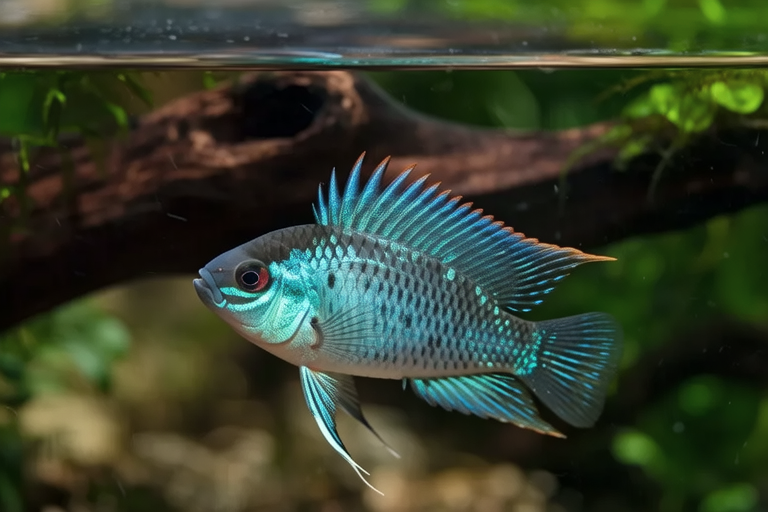
Top Secrets Every Rajah Cichlid Owner Should Know
Welcome to the vibrant world of Rajah cichlids! These fascinating fish are known for their striking appearance and intriguing behavior. Whether you’re a seasoned aquarist or just starting out, this guide will provide you with valuable insights into owning and caring for Rajah cichlids. From setting up the perfect tank to understanding their dietary needs and health concerns, we’ve got you covered.
Optimal Tank Setup
Creating the right environment is crucial for the well-being of your Rajah cichlids. Start by choosing a spacious tank; a minimum of 55 gallons is recommended for a single pair, but larger tanks are ideal for multiple fish. A well-planned tank setup can significantly enhance the quality of life for your Rajah cichlids.
Incorporate plenty of hiding spots such as caves, driftwood, and rocks. This provides them with security and reduces stress. Ensure that the decorations are securely anchored to prevent accidents. Live plants like Java ferns and Amazon swords can also be beneficial, as they contribute to water quality and offer additional cover.
Substrate is another important consideration. Fine gravel or sand is preferred, as it mimics their natural habitat. Avoid sharp-edged substrates that could harm the fish.
Water Parameters Crucial for Their Health
Maintaining optimal water conditions is key to keeping your Rajah cichlids healthy. Aim for a pH level between 6.5 and 7.5, which closely matches their natural habitat. The temperature should range from 78 to 82 degrees Fahrenheit.
Adequate filtration is essential to keep the water clean and oxygenated. Consider using a high-quality external filter that can handle the volume of your tank. Regular water changes, around 20% weekly, are necessary to remove waste and maintain water quality.
Test kits are indispensable tools for monitoring water parameters. Regular testing ensures that your tank remains within safe limits, preventing potential health issues.
Diet Specifics
Rajah cichlids are omnivorous and thrive on a varied diet. In the wild, they consume insects, small crustaceans, and plant matter. Replicate this diversity in captivity by offering a mix of high-quality flake food, pellets, and live or frozen foods like brine shrimp, bloodworms, and daphnia.
Feeding them twice daily is sufficient, but avoid overfeeding. Excess food can lead to poor water quality and obesity. Rotate their diet to ensure they receive all necessary nutrients. Some owners have reported success with incorporating blanched vegetables like zucchini and spinach into their diet.
Behavioral Insights
Rajah cichlids are active and curious fish. They enjoy exploring their environment and interacting with their surroundings. Establishing a routine feeding time can help stimulate their natural hunting instincts.
These fish are generally peaceful but can become territorial during breeding periods. Provide ample space and hiding spots to minimize conflicts. Observe their interactions carefully, especially when introducing new fish. Patience and careful observation are key to maintaining a harmonious community.
Breeding Secrets
Breeding Rajah cichlids can be a rewarding experience. To encourage breeding, provide a suitable spawning site, such as a flat rock or cave. Ensure the water conditions are stable and optimal for breeding.
Once a pair forms, they may engage in courtship rituals. Females lay eggs on the chosen surface, and males fertilize them externally. Afterward, both parents guard the eggs and newly hatched fry. Providing live food like microworms and infusoria can support the growth of the young.
Common Health Issues and Preventive Care
Like any other fish, Rajah cichlids can fall prey to various health issues. Common problems include ich, fin rot, and swim bladder disorders. Early detection and treatment are crucial for recovery.
To prevent these issues, maintain excellent water quality and hygiene. Quarantine new fish before introducing them to the main tank to avoid the spread of diseases. Regularly inspect your fish for signs of distress or unusual behavior.
If you notice any health issues, consult a veterinarian specializing in aquatic animals for proper diagnosis and treatment. Some owners have shared their experiences with effective remedies, such as using aquarium salt baths to treat ich.
Real-World Experiences
Many aquarists have shared their experiences with Rajah cichlids, providing valuable insights and tips. One owner mentioned the importance of regular water testing and the benefits of adding a carbon filter to improve water clarity.
Another highlighted the joy of observing their fish’s natural behaviors, especially during feeding times. They emphasized the need for patience and dedication in creating a thriving environment for Rajah cichlids.
Several aquarists have found success in breeding Rajah cichlids, noting the rewarding experience of watching the fry grow. They recommend providing ample hiding spots and live food for the young.
Conclusion
Owning Rajah cichlids can be a delightful and enriching experience. By following these guidelines and drawing on the wisdom of fellow aquarists, you can create a thriving home for your Rajah cichlids. Remember, every fish is unique, so tailor your approach based on their individual needs and behaviors.
Stay informed, stay patient, and enjoy the journey of nurturing these beautiful creatures. Happy fishkeeping!