
From Jungle to Home: How to Care for Your Lethal Lizard, the Water Monitor
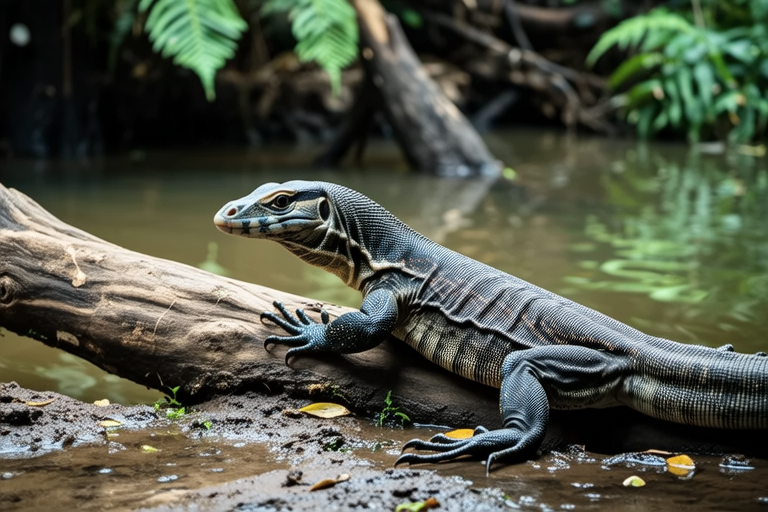
The water monitor (Varanus salvator) is a large, semi-aquatic lizard native to Southeast Asia. These reptiles are known for their impressive size, ranging from 4 to 7 feet in length, and their remarkable adaptability to various environments. They thrive in tropical rainforests, mangroves, and riverbanks, where they can be seen swimming, climbing, and scavenging. With their powerful limbs, muscular tails, and sharp claws, water monitors are formidable predators capable of taking down prey much larger than themselves. This article will guide you through the responsibilities and considerations involved in owning a water monitor, providing detailed care instructions and advice on handling and interacting with these captivating creatures.
Native Habitats and Unique Characteristics
Water monitors are found throughout Southeast Asia, including countries like India, Sri Lanka, Thailand, Malaysia, and Indonesia. Their natural habitat consists of dense forests, swamps, and riverbanks, where they enjoy both terrestrial and aquatic environments. These lizards are highly adaptable and can be found in urban areas, making them somewhat resilient to human encroachment. One of their most striking features is their ability to swim efficiently, thanks to their streamlined bodies and powerful tails that serve as rudders. Water monitors also have keen eyesight and a highly developed sense of smell, which they use to locate prey.
Responsibilities and Considerations
Legalities
Before considering a water monitor as a pet, it’s crucial to understand the legal implications. Many regions have strict regulations regarding exotic pets, and some may even prohibit the ownership of water monitors. It’s essential to check local laws and obtain any necessary permits or licenses. Additionally, importing these animals from their native habitats is often restricted due to conservation concerns. Ensuring compliance with all legal requirements is paramount to avoid fines or other penalties.
Temperament
Water monitors are generally shy and secretive creatures in the wild but can become more aggressive when threatened or handled improperly. While they are not inherently dangerous, their strength and sharp claws make them potentially hazardous. Proper socialization and gentle handling can help reduce aggression, but owners must always exercise caution. Patience and consistency are key when building trust with a water monitor.
Safety Precautions
Given the size and strength of water monitors, safety precautions are essential. Always handle them with care, avoiding sudden movements that might startle them. Use thick gloves to protect your hands from scratches and bites. Never leave a water monitor unattended around small children or pets, as their predatory instincts could lead to accidents. Additionally, provide secure enclosures that prevent escapes, as water monitors are skilled climbers and swimmers.
Detailed Care Instructions
Diet
Water monitors are carnivorous and require a varied diet to maintain optimal health. In captivity, their diet should include a mix of live insects, rodents, fish, and occasional fruits. Young monitors can be fed smaller prey items like crickets and mealworms, while adults can consume larger prey such as mice, rats, and fish. Ensure that the food is appropriately sized to prevent choking or digestive issues. Feeding should occur every few days, with careful monitoring to avoid overfeeding.
Housing Requirements
Adequate housing is crucial for the well-being of a water monitor. A spacious enclosure is necessary to accommodate their active nature and provide enough room for swimming and climbing. The enclosure should be at least twice the length of the lizard, with a minimum depth of 6 feet and height of 8 feet. For substrate, use a deep layer of soil or mulch that allows for burrowing and maintains proper humidity levels. Include water features such as a large pool or pond for swimming, ensuring easy access and proper filtration.
Temperature and Humidity Control
Maintaining the correct temperature and humidity levels is vital for the health of your water monitor. The ideal temperature range is between 85°F and 95°F during the day, dropping slightly to 75°F at night. Use heat lamps, ceramic heaters, or under-tank heating pads to achieve this. A basking spot should reach 100°F to 110°F to encourage thermoregulation. Humidity should be kept between 70% and 80%, which can be achieved through misting, humidifiers, or by ensuring the enclosure has a water feature.
Health Maintenance
Regular veterinary check-ups are essential for maintaining the health of your water monitor. Common health issues include respiratory infections, parasites, and metabolic bone disease. Signs of illness may include lethargy, loss of appetite, abnormal feces, or changes in skin color. Providing a balanced diet, appropriate housing conditions, and regular cleaning of the enclosure can help prevent many health problems. Quarantine new animals for several weeks to minimize the risk of introducing diseases to your existing pets.
Handling and Interacting
Proper handling techniques are crucial for ensuring a positive and safe experience for both you and your water monitor. Always approach the enclosure calmly and gently, allowing the lizard time to acclimate to your presence. When handling, support the body firmly but gently, avoiding any sudden movements that might startle the lizard. Regular, gentle handling sessions can help build trust and reduce aggression. However, never force interaction or attempt to handle a water monitor if it shows signs of stress or discomfort.
Conclusion
Owning a water monitor can be a rewarding experience for those willing to commit to the challenges and responsibilities involved. Thorough research and preparation are essential before bringing a water monitor into your home. Understanding their native habitats, unique characteristics, and specific care needs will help ensure the well-being of both the lizard and its owner. By following the guidelines outlined in this article, you can create a safe and enriching environment for your water monitor, fostering a positive relationship and providing a fulfilling companionship.