
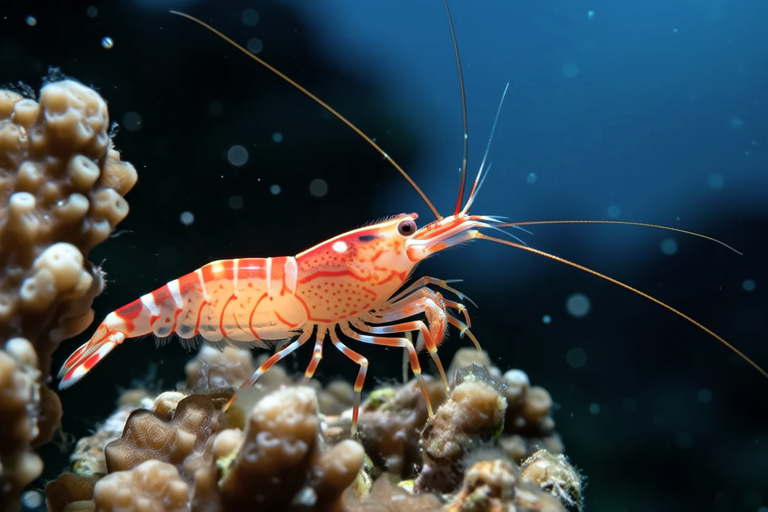
How to Create the Perfect Habitat for Your Coral Shrimp at Home
Welcome to the fascinating world of keeping coral shrimp as pets! These small, colorful crustaceans can add a vibrant touch to your aquarium while being relatively easy to care for. Creating the perfect habitat for your coral shrimp involves understanding their specific needs and setting up an environment that mimics their natural habitat as closely as possible. This guide will walk you through the essential steps to ensure your coral shrimp thrive in your home aquarium.
Setting Up the Tank Environment
The first step in creating a suitable habitat for your coral shrimp is selecting the right tank. A tank size of at least 10 gallons is recommended, but larger tanks offer more stability and space for your shrimp to explore. Choose a tank with a smooth interior to prevent any injuries from rough surfaces.
When setting up your tank, consider the type of substrate you’ll use. Sand or fine gravel is ideal for coral shrimp, as it allows them to burrow and feel secure. Avoid sharp or abrasive substrates that could harm their delicate exoskeletons. Adding live plants and rocks also provides hiding spots and enhances the aesthetic appeal of your tank.
Water Parameters
Maintaining the correct water parameters is crucial for the health of your coral shrimp. The ideal temperature range for most coral shrimp species is between 72°F and 80°F (22°C to 27°C). Use a reliable thermometer to monitor the water temperature regularly.
The pH level should be kept between 7.5 and 8.4, slightly alkaline. Regularly test the pH using a reliable testing kit and make adjustments if necessary. Hardness levels should be moderate, around 10-20 dGH. Ensure the water is free from harmful chemicals like ammonia and nitrite by performing frequent water tests and maintaining proper filtration.
Filtration and Circulation Systems
A good filtration system is vital for maintaining water quality and ensuring your coral shrimp remain healthy. Choose a filter that is appropriate for the size of your tank and provides mechanical, biological, and chemical filtration. Sponge filters are particularly beneficial for shrimp tanks as they provide gentle water flow and excellent biological filtration without harming the shrimp.
Proper water circulation is equally important. Install a powerhead or air pump to create a gentle current within the tank. This simulates the natural water movement found in their native environments and helps oxygenate the water. However, avoid overly strong currents that could stress your shrimp.
Suitable Tank Mates
Choosing compatible tank mates is essential for the well-being of your coral shrimp. Small, peaceful fish such as dwarf gouramis, neon tetras, and harlequin rasboras are generally safe companions. Avoid aggressive or large fish that might bully or eat your shrimp. Invertebrates like snails and other non-aggressive shrimp species can also make suitable tank mates.
Appropriate Diet
Coral shrimp are omnivorous, meaning they consume both plant and animal matter. In the wild, they feed on algae, detritus, and small invertebrates. Provide a balanced diet that includes high-quality flake food, pellets, and algae wafers specifically formulated for shrimp. You can also supplement their diet with blanched vegetables like zucchini or spinach. Additionally, occasional treats like frozen brine shrimp or bloodworms can be offered to keep them interested and healthy.
Regular Maintenance Routines
Consistent maintenance is key to keeping your coral shrimp happy and healthy. Perform weekly water changes of about 10-20% to remove waste and maintain water quality. During these water changes, carefully siphon out uneaten food and debris from the substrate.
Monitor the tank’s water parameters daily to catch any issues early. Clean the filter media monthly and replace it when necessary. Inspect the tank’s equipment regularly to ensure everything is functioning correctly. Regular maintenance not only keeps the tank clean but also prevents potential health problems for your shrimp.
Tips for Observing Their Behavior
Observing your coral shrimp can be both enjoyable and educational. Spend some time each day watching their interactions within the tank. Notice how they interact with their surroundings and each other. Pay attention to any unusual behaviors, such as lethargy or reduced appetite, which could indicate health issues.
Keep a journal to record any significant events or changes in their behavior. This can help you identify patterns and address potential problems promptly. By understanding your shrimp’s normal behavior, you’ll be better equipped to notice when something might be wrong.
Conclusion
Creating the perfect habitat for your coral shrimp requires careful planning and attention to detail. By setting up the right tank environment, maintaining optimal water parameters, providing proper filtration and circulation, choosing compatible tank mates, offering a nutritious diet, and following regular maintenance routines, you can ensure your coral shrimp thrive in your home aquarium. With patience and dedication, you’ll enjoy watching these fascinating creatures grow and flourish in their new home.