
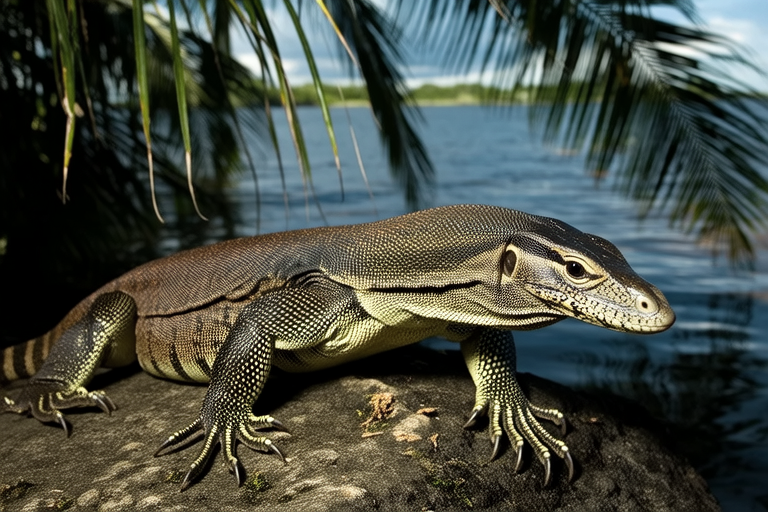
Water Monitors Uncovered: Facts and Funnies About This Fascinating Reptile
Welcome to the world of water monitors, one of the most remarkable reptiles on Earth! These creatures are not only impressive in size but also have a unique set of behaviors that will leave you both amazed and amused. From their incredible hunting skills to their peculiar interactions with humans, there’s always something new to learn about these fascinating animals. So, grab your binoculars and let’s dive into the captivating world of water monitors.
The Size Matters
Water monitors (Varanus salvator) are the second-largest lizards in the world, after their close relatives, the Komodo dragons. They can grow up to 3 meters (9.8 feet) long and weigh around 30 kilograms (66 pounds). Their massive size makes them formidable predators in their natural habitats. Imagine a lizard that could stand taller than an average person; now that’s something to marvel at!
One funny fact about water monitors is that they can be quite clumsy when they’re young. Baby water monitors are tiny, cute, and surprisingly awkward. They often trip over their own feet and struggle to climb trees, making for some hilarious moments in the wild. However, don’t be fooled by their clumsiness; these little ones grow up to become powerful hunters in no time.
Dietary Preferences
Water monitors are omnivorous, meaning they eat both plants and animals. Their diet consists of fish, frogs, birds, eggs, insects, and even small mammals. They are known to raid bird nests and feast on eggs, which is a common sight in many parts of Southeast Asia where they reside. In fact, their appetite for eggs has led to some interesting interactions with local farmers. Farmers have been known to protect their chickens by building high fences or keeping watch, creating a sort of reptilian arms race in the countryside.
One amusing story involves a water monitor who was caught red-handed (or should we say, red-beaked?) stealing a parrot’s breakfast. The parrot, a clever bird, managed to outsmart the monitor by dropping its food into a nearby pond. The monitor, not expecting this move, ended up chasing the parrot into the water, where it got thoroughly soaked and left empty-handed. The parrot, perched safely on a branch, laughed at the monitor’s misfortune, a scene that would make any nature lover chuckle.
Habitat and Behavior
Water monitors are native to Southeast Asia, including countries like Indonesia, Malaysia, Thailand, and Vietnam. They thrive in tropical rainforests, mangroves, and swamps, where they spend much of their time near bodies of water. These lizards are excellent swimmers and divers, capable of staying submerged for up to 30 minutes. They use their strong tails to propel themselves through the water, making them efficient hunters in aquatic environments.
One quirky aspect of water monitors is their ability to communicate through scent. They have specialized glands near their cloaca that produce pheromones, which they use to mark territory and attract mates. During mating season, males can be seen following the scent trails left by females, leading to some comical chases through the jungle. It’s not uncommon for males to follow the wrong scent trail, resulting in some humorous encounters with other animals.
Water monitors are also known for their intelligence. They have been observed using tools to obtain food, such as using sticks to dig for crabs or using rocks to break open turtle shells. Their problem-solving abilities and adaptability make them one of the most intriguing reptiles to study. One particularly amusing anecdote involves a water monitor that learned to open a trash can lid to access discarded food. The monitor would wait patiently until a human approached the trash can, then mimic the opening motion, eventually mastering the skill and enjoying a feast of leftovers.
Human Interactions
Water monitors have a complex relationship with humans. While they are sometimes considered pests due to their raids on chicken coops and gardens, they are also valued for their meat and skin. In some cultures, water monitors are hunted for their meat, which is considered a delicacy. However, their skin is also used to make leather goods, and this has led to a decline in their population in certain areas.
Despite their reputation as pests, water monitors have been known to form surprising bonds with humans. There are several documented cases of water monitors living harmoniously with people in rural communities. Some individuals have even been adopted as pets, although this is not recommended due to the potential danger they pose. One heartwarming story involves a water monitor that became a beloved pet in a small village in Indonesia. The monitor, named Budi, was known for his playful nature and would often interact with children, teaching them valuable lessons about respect and responsibility.
Conservation Efforts
Due to habitat destruction and overhunting, water monitors face significant threats to their survival. Conservation efforts are underway to protect these magnificent creatures, including the establishment of protected areas and sustainable farming practices. Many organizations are working to raise awareness about the importance of preserving water monitor populations and their ecosystems.
One initiative involves educating local communities about the value of water monitors in maintaining ecological balance. By promoting eco-tourism and responsible wildlife management, these efforts aim to create a future where humans and water monitors can coexist peacefully. Visitors to Southeast Asia can participate in guided tours that focus on observing water monitors in their natural habitats, providing both entertainment and education.
A Final Reflection
Water monitors are captivating creatures that offer a glimpse into the wonders of nature. From their impressive size and hunting skills to their quirky behaviors and interactions with humans, there’s always something new to discover about these fascinating reptiles. Whether you’re a seasoned reptile enthusiast or simply curious about the world around you, water monitors provide endless fascination and amusement.
So, the next time you find yourself in the lush jungles of Southeast Asia, keep an eye out for these incredible lizards. Who knows? You might just witness a water monitor performing one of its amazing feats or sharing a moment of fun with its surroundings. And if you’re lucky enough to encounter one, remember to admire its beauty from a safe distance, respecting both its power and its place in the ecosystem.