
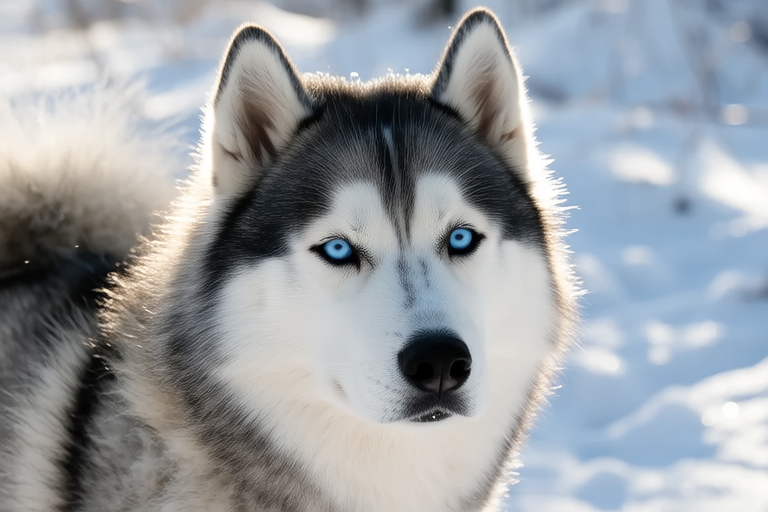
Unleashing the Mystery: All You Need to Know About Siberian Huskies
Siberian Huskies have long captured the hearts of dog lovers with their striking appearance and spirited personalities. These beautiful creatures, originally bred by the Chukchi people of Northeastern Asia, have a rich history as working dogs and are now beloved companions in homes around the world. This article will delve into the fascinating world of Siberian Huskies, covering everything from their origins to their care, so you can make an informed decision if you’re considering adding one of these majestic dogs to your family.
A Brief History of Siberian Huskies
The Siberian Husky has been a part of human history for centuries, serving as a loyal companion and invaluable worker. Originating from the harsh landscapes of Siberia, these dogs were bred by the Chukchi people to pull heavy loads across vast distances. Their endurance, strength, and resilience made them perfect for sledding, and they played a crucial role in the development of Arctic exploration and transportation. The breed was introduced to Alaska in the early 20th century, where they gained fame during the 1925 serum run to Nome, delivering life-saving medicine through treacherous conditions.
Physical Characteristics
Siberian Huskies are known for their striking blue or multi-colored eyes, bushy tails, and thick double coats that protect them from the cold. They typically weigh between 35 to 60 pounds and stand about 20 to 24 inches tall at the shoulder. Their coats come in a variety of colors, including black and white, gray and white, copper red, and pure white. One of the most distinctive features of Siberian Huskies is their wolf-like appearance, which adds to their allure and mystique.
Temperament
Despite their wild looks, Siberian Huskies are generally friendly and gentle with people, making them excellent family pets. They are intelligent and independent, but this can sometimes lead to stubbornness. Early socialization and consistent training are key to ensuring a well-behaved and happy dog. Huskies are known for their love of adventure and their playful nature, often enjoying games and outdoor activities. However, they can be aloof with strangers, so it’s important to introduce them properly to new people and environments.
Exercise Needs
As descendants of working dogs, Siberian Huskies have a high energy level and require regular exercise to stay healthy and happy. A daily walk or jog is essential, but they also enjoy running and playing in open spaces. If possible, providing them with opportunities for extended physical activity, such as participating in sled racing or agility training, can help keep them physically and mentally stimulated. It’s important to note that while they are energetic, they are not typically destructive in the house if given adequate exercise.
Dietary Requirements
Feeding a Siberian Husky requires careful consideration of their nutritional needs. High-quality dog food that meets AAFCO (Association of American Feed Control Officials) standards is recommended. Look for foods that contain high-quality protein sources like chicken, beef, or fish, along with a balance of fats, carbohydrates, vitamins, and minerals. Avoid overfeeding, as obesity can lead to health problems. Always consult with your veterinarian to determine the appropriate portion sizes based on your dog’s age, weight, and activity level.
Grooming Tips
Siberian Huskies have a thick double coat that requires regular grooming to maintain its health and appearance. Brushing your dog weekly with a slicker brush or a comb will help remove loose hair and prevent matting. During shedding season, which usually occurs twice a year, daily brushing may be necessary to manage the amount of fur that comes off. Bathing should be done only when necessary, as frequent bathing can strip the coat of its natural oils. Additionally, regular nail trimming, ear cleaning, and dental care are important aspects of maintaining your Husky’s overall health.
Common Health Issues
While Siberian Huskies are generally healthy dogs, they are prone to certain genetic disorders. Progressive retinal atrophy (PRA), a condition that causes blindness, is one of the most serious concerns. Hip dysplasia, a common issue in many large breeds, can also affect Huskies. Other potential health problems include cataracts, corneal dystrophy, and hypothyroidism. Regular veterinary check-ups and genetic testing can help identify and address these issues early on.
Training Techniques
Training a Siberian Husky can be challenging due to their independent nature, but it’s not impossible. Positive reinforcement methods, such as treats, praise, and play, are highly effective. Consistency is key, as Huskies can quickly become confused if commands are inconsistent. Socialization is also important, especially during puppyhood, to ensure they grow up to be well-adjusted adults. Basic obedience training should include commands like ‘sit’, ‘stay’, ‘come’, and ‘heel’. Advanced training, such as agility or sledding, can provide mental stimulation and strengthen the bond between owner and dog.
Why Are They Popular Pets?
Siberian Huskies are popular pets because of their striking appearance, friendly demeanor, and playful nature. Their ability to adapt to various living situations, whether in an apartment or a large home, makes them versatile companions. Many people are drawn to their history as working dogs and their involvement in sled racing, which adds to their appeal. Additionally, their intelligence and loyalty make them great family pets, though it’s important to remember that they require proper care and attention to thrive.
Unique Behaviors and Traits
One of the most unique traits of Siberian Huskies is their vocalizations. They are known for howling, barking, and even talking, which can be endearing but may also lead to noise complaints in some areas. Another interesting behavior is their tendency to roam. Due to their strong prey drive and desire to explore, it’s crucial to always keep them on a leash or in a securely fenced area. They are also known for their ability to dig, so providing them with designated digging spots can help redirect this behavior.
Choosing a Siberian Husky
If you’re considering bringing a Siberian Husky into your family, there are several factors to consider. First, think about your lifestyle and whether you can meet the dog’s exercise and grooming needs. Research reputable breeders who prioritize the health and well-being of their puppies. Meeting the parents of the litter can give you insight into the temperament and health of the puppies. Once you’ve chosen a puppy, be prepared for the commitment involved in raising a Husky. With proper care and attention, you’ll be rewarded with a loving and loyal companion.
What to Expect When Bringing a Siberian Husky Home
Bringing a Siberian Husky into your home means welcoming a member of the family who will bring joy, excitement, and challenges. Be prepared for the high energy levels and the need for regular exercise. Understand that they may not be suitable for everyone, especially those living in small apartments or without access to secure outdoor spaces. However, if you’re ready for the adventure, a Siberian Husky can be an incredible addition to your household, providing years of companionship and unforgettable experiences.