
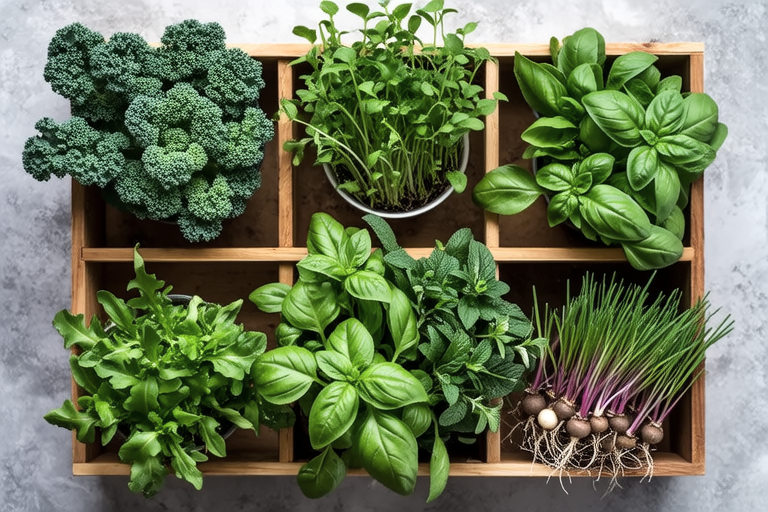
Top 10 Plants Safe for Bearded Dragons: Enhancing Your Pet’s Habitat
Introduction to Bearded Dragons and Their Natural Habitat
Bearded dragons, scientifically known as Pogona vitticeps, are popular reptile pets due to their docile nature and ease of care. Originating from the arid regions of Australia, these lizards have adapted to thrive in hot, dry climates with sparse vegetation. In the wild, they bask under the sun to regulate their body temperature and forage for food among rocks and shrubs. Understanding their natural habitat is crucial for creating an optimal living environment in captivity.
The Importance of Plants in Enhancing the Living Environment for Bearded Dragons
Plants play a vital role in enhancing the living environment for bearded dragons. They provide essential benefits such as shade, humidity control, and mental stimulation. A well-planted enclosure mimics the natural habitat, promoting a healthier and happier pet. Additionally, certain plants can offer enrichment through climbing structures and hiding spots, which are important for the psychological well-being of bearded dragons.
List of Top 10 Plants Safe for Bearded Dragons
-
Spider Plant (Chlorophytum comosum)
The spider plant is a hardy and adaptable houseplant that thrives in various environments. It produces long, arching leaves and small white flowers. This plant is safe for bearded dragons and can help maintain humidity levels within the enclosure. Its dense foliage provides excellent cover and shade for the lizard.
-
Pothos (Epipremnum aureum)
Pothos is a vine-like plant with heart-shaped leaves that can grow quite large. It is easy to care for and can adapt to low light conditions. The pothos is non-toxic to bearded dragons and can be used to create a more lush and visually appealing habitat. Its trailing vines can also serve as climbing structures for the dragon.
-
Haworthia (Haworthia attenuata)
Haworthia is a succulent plant that resembles aloe vera but is much smaller. It has rosettes of thick, fleshy leaves that store water, making it ideal for arid environments. This plant is safe for bearded dragons and can add a touch of desert charm to the enclosure. It requires minimal watering and thrives in bright, indirect sunlight.
-
Sedum (Sedum morganianum)
Sedum, commonly known as burro’s tail, is another succulent plant with long, trailing stems covered in small, plump leaves. It is drought-tolerant and requires little maintenance. Sedum is safe for bearded dragons and can create a beautiful cascading effect in the enclosure. Its trailing nature makes it perfect for adding height and dimension to the habitat.
-
Snake Plant (Sansevieria trifasciata)
The snake plant is a robust and versatile plant with upright, sword-like leaves. It is known for its air-purifying qualities and its ability to thrive in low-light conditions. This plant is safe for bearded dragons and can help improve air quality within the enclosure. Its rigid structure provides stability and can be used as a climbing surface.
-
Fiddle Leaf Fig (Ficus lyrata)
The fiddle leaf fig is a striking plant with large, glossy leaves that resemble violins. It adds a touch of elegance to any space. This plant is safe for bearded dragons and can create a lush and inviting environment. However, it requires moderate care and regular watering.
-
Rubber Plant (Ficus elastica)
The rubber plant is a popular indoor plant with broad, dark green leaves. It is highly adaptable and can thrive in various lighting conditions. This plant is safe for bearded dragons and can enhance the aesthetic appeal of the enclosure. Its sturdy leaves make it a great option for providing shade and cover.
-
Peperomia (Peperomia obtusifolia)
Peperomia is a compact, low-maintenance plant with small, round leaves. It is easy to care for and can thrive in low light. This plant is safe for bearded dragons and can be used to add texture and variety to the enclosure. Its compact size makes it ideal for smaller enclosures.
-
Zebra Plant (Aphelandra squarrosa)
The zebra plant is known for its vibrant yellow flowers and striking dark green leaves with white stripes. It requires high humidity and bright, indirect light. This plant is safe for bearded dragons and can bring a splash of color to the enclosure. However, it may require more attention to maintain its health.
-
Cactus (Various Species)
Cacti are ideal for bearded dragons due to their ability to withstand dry conditions. They come in various shapes and sizes, offering unique visual appeal. Cacti are safe for bearded dragons and can provide additional climbing surfaces and hiding spots. However, care must be taken to avoid sharp spines.
How to Safely Introduce New Plants into Your Pet’s Enclosure
Introducing new plants into your bearded dragon’s enclosure requires careful consideration. First, ensure that the plant is safe for reptiles by researching its toxicity. Next, quarantine the plant by placing it in a separate container for a few days to monitor for any pests or diseases. Once you are confident that the plant is safe, gradually introduce it into the enclosure by placing it in a corner or area where the dragon can easily access it if desired. Monitor the dragon’s behavior around the new plant to ensure there are no adverse reactions.
Tips for Maintaining a Healthy and Balanced Environment for Bearded Dragons Using These Plants
- Proper Lighting: Ensure that the enclosure receives adequate UVB lighting to support the dragon’s vitamin D synthesis.
- Temperature Control: Maintain a temperature gradient within the enclosure to allow the dragon to thermoregulate.
- Humidity Levels: Use plants to help control humidity levels, ensuring they are not too high or too low.
- Regular Maintenance: Regularly check and clean the plants to prevent the buildup of mold or pests.
- Dietary Considerations: Provide a varied diet that includes appropriate vegetables and insects to complement the benefits of the plants.
Conclusion
The inclusion of safe plants in your bearded dragon’s enclosure can significantly enhance its overall health and happiness. By providing a more natural and stimulating environment, you can help your pet thrive both physically and mentally. Remember to choose plants that are non-toxic, easy to care for, and suited to the specific needs of your bearded dragon. With proper selection and maintenance, you can create a thriving habitat that closely mirrors the lizard’s natural surroundings.