
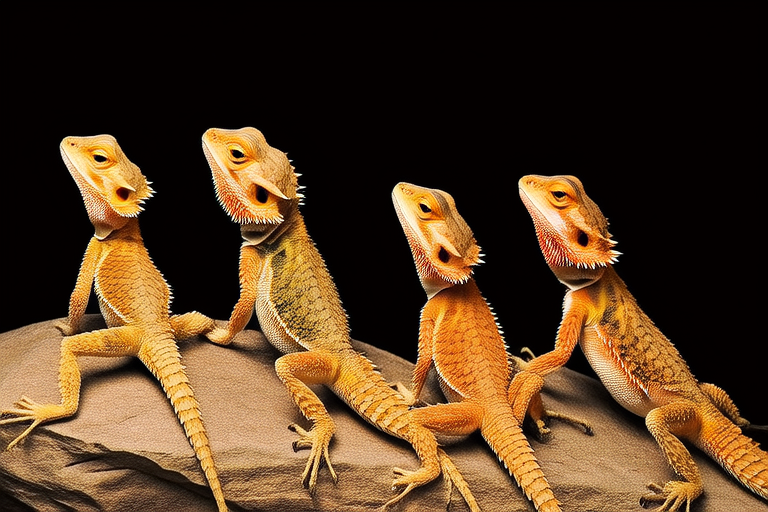
From Hatchling to Adult: Stages of Growth in Bearded Dragons
Bearded dragons are beloved pets known for their friendly demeanor and ease of care. Their journey from tiny hatchlings to full-grown adults is a fascinating process that involves significant changes in size, behavior, diet, and habitat requirements. Understanding these stages is crucial for providing optimal care throughout their lives. This article will guide you through the lifecycle of a bearded dragon, offering insights into their development and tips for ensuring their well-being.
The Hatchling Stage (0-2 Months)
Newly hatched bearded dragons are small, fragile creatures, typically measuring around 3-4 inches in length. They are fully formed but still need time to adjust to their new environment. Hatchlings require specialized care to ensure they grow healthy and strong.
Dietary Needs
Hatchlings have small mouths and delicate digestive systems, so their diet must be appropriately sized and nutritious. Feed them finely chopped insects like crickets, dubia roaches, or mealworms. Gut-loading these insects with nutrient-rich foods ensures that your dragon receives essential vitamins and minerals. Dusting the insects with calcium and vitamin D3 supplements is also necessary to support bone growth.
Habitat Adjustments
A secure, temperature-controlled enclosure is vital for hatchlings. The tank should be no larger than 20 gallons initially, as too much space can overwhelm them. Provide a shallow water dish and a hiding spot made from a cardboard box or plastic container. Maintain a basking area heated to approximately 95-105°F and a cooler side around 75-80°F. UVB lighting is crucial for vitamin D synthesis, promoting calcium absorption.
Behavioral Shifts
Hatchlings are often timid and may hide frequently. They tend to be more active during the day, when they bask and search for food. Encourage exploration by creating a safe, stimulating environment. Avoid handling them excessively during this stage, as they need time to acclimate to their surroundings.
The Juvenile Stage (2-6 Months)
Juveniles grow rapidly, increasing in size and becoming more confident. At this stage, they are more active and curious, exploring their surroundings more freely.
Dietary Changes
As juveniles grow, their appetites increase. Continue feeding them insects but gradually introduce leafy greens and vegetables such as collard greens, mustard greens, and squash. Ensure that the greens are finely chopped and dusted with calcium and vitamin D3 supplements. Offer insects daily and provide greens several times per week.
Habitat Adjustments
Upgrade their tank to a 40-gallon breeder setup if needed, providing more space for climbing and exploring. Introduce rocks, branches, and other climbing structures to stimulate physical activity and mental engagement. Maintain the same temperature gradient as before, with a basking area of 95-105°F and a cooler side of 75-80°F.
Behavioral Shifts
Juveniles become more social and interactive, often approaching their owners for attention. They may also display more assertive behaviors, such as head bobbing or arm waving, which are typical forms of communication. Encourage gentle handling and interaction to build trust.
The Sub-Adult Stage (6-12 Months)
Sub-adult bearded dragons reach their final adult size but are still maturing physically and mentally. During this stage, they become more independent and less reliant on their owners for stimulation.
Dietary Adjustments
Sub-adults can eat a wider variety of insects and vegetables. Offer them a mix of gut-loaded crickets, dubia roaches, and mealworms, along with leafy greens, squash, and bell peppers. Reduce insect frequency slightly and increase vegetable offerings to promote a balanced diet. Continue dusting insects with calcium and vitamin D3 supplements, especially during rapid growth periods.
Habitat Adjustments
Ensure that the enclosure is large enough to accommodate their increased size and activity level. Provide plenty of climbing structures and hiding spots to encourage exercise and reduce stress. Maintain the same temperature gradient as before, with a basking area of 95-105°F and a cooler side of 75-80°F.
Behavioral Shifts
Sub-adults become more self-sufficient and may spend less time seeking attention. They may also exhibit territorial behaviors, such as head bobbing or puffing up their beards, especially when interacting with other dragons. Respect their space and avoid overcrowding.
The Adult Stage (12+ Months)
Adult bearded dragons reach their full size and maturity, typically growing to about 18-24 inches in length. They are more settled and require less frequent handling.
Dietary Needs
Adults can eat a varied diet of insects, vegetables, and fruits. Offer them a mix of crickets, dubia roaches, mealworms, and superworms, along with leafy greens, squash, bell peppers, and occasional fruit slices. Continue dusting insects with calcium and vitamin D3 supplements, especially during breeding seasons or molting periods. Monitor their weight and adjust feedings accordingly to prevent obesity.
Habitat Adjustments
Adults need a spacious enclosure, preferably at least 40 gallons or larger, to accommodate their size and activity level. Provide ample climbing structures, hiding spots, and basking areas. Ensure proper ventilation and maintain the temperature gradient, with a basking area of 95-105°F and a cooler side of 75-80°F. Clean the enclosure regularly to prevent bacterial growth and maintain hygiene.
Behavioral Shifts
Adults become more relaxed and may spend extended periods basking or resting. They may also engage in breeding behaviors, such as head bobbing, arm waving, and color changes. Monitor their interactions with other dragons carefully, as aggression can occur. Provide adequate space and resources to minimize competition.
Tips for Owners at Each Stage
Hatchling Stage Tips
- Provide a secure, temperature-controlled enclosure.
- Feed finely chopped insects and dust them with calcium and vitamin D3 supplements.
- Handle gently and allow time for acclimation.
Juvenile Stage Tips
- Upgrade the tank to a 40-gallon breeder setup if needed.
- Introduce leafy greens and vegetables to their diet.
- Encourage gentle handling and interaction to build trust.
Sub-Adult Stage Tips
- Offer a mix of insects and vegetables.
- Provide plenty of climbing structures and hiding spots.
- Respect their space and avoid overcrowding.
Adult Stage Tips
- Monitor their weight and adjust feedings accordingly.
- Ensure a spacious enclosure with ample climbing structures and hiding spots.
- Provide adequate space and resources to minimize competition.
Conclusion
The journey from hatchling to adult is an exciting and rewarding experience for both bearded dragon owners and their pets. By understanding the different stages of growth and adjusting care accordingly, you can ensure that your bearded dragon thrives throughout its life. Whether you’re a first-time owner or a seasoned enthusiast, providing proper nutrition, habitat, and attention at each stage will help your dragon live a long, healthy, and happy life.