
The Ultimate Guide to Raising a Happy and Healthy Siberian Husky
Welcome to your comprehensive guide on raising a happy and healthy Siberian Husky. Whether you’re a seasoned dog owner or a first-time pet parent, this guide will provide you with everything you need to know about these majestic and spirited dogs.
Breed Overview
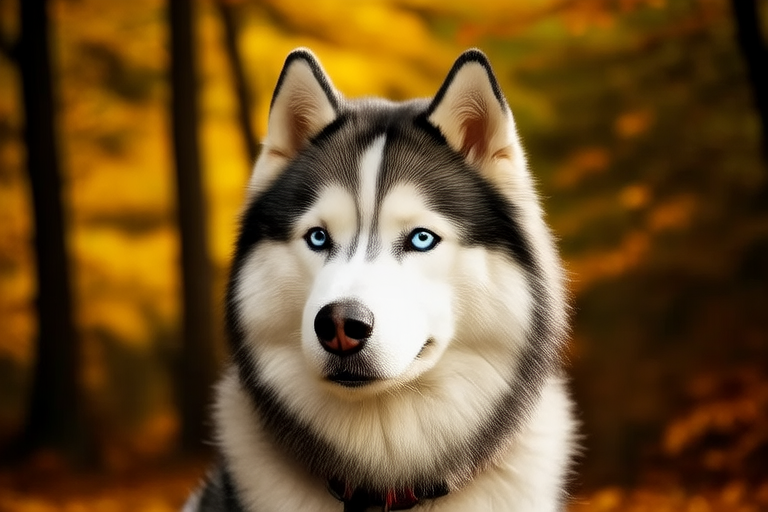
Siberian Huskies are medium-sized dogs originally bred by the Chukchi people of Siberia for sledding and herding. Known for their striking blue or multi-colored eyes and thick, fluffy coats, they are intelligent, friendly, and full of energy. Their history as working dogs means they thrive on physical activity and mental stimulation. Huskies are pack animals, so they often enjoy the company of other dogs and people.
Exercise Needs
Huskies have a high energy level, requiring at least two hours of vigorous exercise daily. Activities like running, hiking, and playing fetch are ideal. Real-life example: Sarah, a Husky owner, takes her dog on long hikes every weekend, ensuring he stays fit and entertained. Without sufficient exercise, Huskies can become bored and potentially destructive.
Dietary Requirements
Feeding your Husky a balanced diet is crucial. High-quality dog food rich in protein and fat, suitable for active breeds, is recommended. Consult your vet for specific dietary advice tailored to your Husky’s age, weight, and activity level. Avoid overfeeding to prevent obesity, which can lead to joint problems and other health issues.
Grooming Tips
Huskies have a double coat that sheds heavily twice a year. Regular brushing—preferably daily during shedding seasons—helps manage loose hair. Bathing should be minimal to preserve the natural oils in their coat. Trim nails regularly and check ears for signs of infection or irritation. Many owners find it helpful to incorporate grooming into their routine from an early age to make the process easier for both dog and owner.
Training Techniques
Training Huskies requires patience and consistency. Positive reinforcement methods, such as treats and praise, work best. Huskies are independent thinkers and may test boundaries, so establishing clear rules and being consistent is key. Early socialization and obedience training are vital to ensure your Husky becomes a well-behaved companion.
Common Health Issues
While generally healthy, Huskies can suffer from certain genetic conditions. Common issues include hip dysplasia, cataracts, and hypothyroidism. Regular veterinary check-ups and a nutritious diet can help maintain good health. Expert recommendation: Dr. Johnson advises annual eye exams for Huskies to catch potential vision problems early.
Socialization Strategies
Socializing your Husky from puppyhood helps them become comfortable around different people, animals, and environments. Expose your Husky to various situations gradually and positively. Real-life example: Mike took his new Husky puppy to local parks and pet-friendly stores to introduce him to different stimuli safely.
Living Environment Considerations
Huskies thrive in cooler climates but can adapt to warmer areas if provided with shade and plenty of water. They need a secure yard with a tall fence due to their tendency to roam. Indoor living is also possible, provided they get ample outdoor time. Ensure your home has enough space for them to stretch out comfortably.
Handling Their Strong Prey Drive
Huskies have a strong instinct to chase small animals. Early training and exposure to other pets can help mitigate this behavior. Keep them on a leash during walks and in a controlled environment when around wildlife. Real-life example: Lisa used clicker training to teach her Husky ‘leave it’ command, successfully preventing her from chasing squirrels.
Conclusion
Raising a happy and healthy Siberian Husky involves understanding their unique needs and providing proper care. By following this guide, you’ll be well-equipped to give your Husky the love, attention, and care they deserve. Remember, every dog is different, so tailor your approach based on your individual pet’s personality and requirements.