
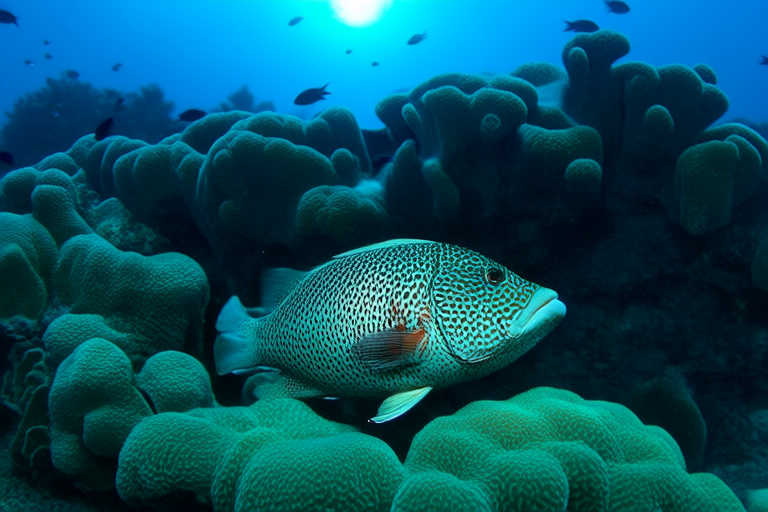
7 Myths Debunked: What Really Happens When Parrot Fish Sleep?
Understanding the sleep patterns of marine creatures is crucial for appreciating their roles within complex ecosystems. Parrot fish, known for their vibrant colors and unique behaviors, have long intrigued scientists and hobbyists alike. Their nocturnal activities and daytime retreats have fueled numerous myths about their sleeping habits. This article aims to dispel seven common misconceptions surrounding what really happens when parrot fish sleep, offering insights based on scientific research.
Myth 1: Parrot Fish Sleep Like Humans
One widespread belief is that parrot fish sleep similarly to humans, drifting off in the open water. However, this could not be further from the truth. Unlike mammals, parrot fish do not float freely while sleeping. Instead, they find shelter in coral crevices or caves during the night. A study published in the Journal of Experimental Biology found that parrot fish exhibit a behavior known as ‘sleeping in’ where they remain stationary within their chosen hideaway, ensuring safety from predators.
Myth 2: Parrot Fish Hibernate During Sleep
Another misconception is that parrot fish hibernate during their sleep period. While it’s true that they reduce their activity levels significantly, this does not equate to hibernation. Hibernation involves a drastic reduction in metabolic rate and body temperature, which is not observed in parrot fish. Instead, they maintain a relatively stable metabolism, allowing them to respond quickly if disturbed.
Myth 3: Parrot Fish Completely Stop Swimming While Asleep
Contrary to popular belief, parrot fish do not completely stop swimming while asleep. They continue to make small movements to ensure their gills receive adequate oxygen. This gentle swimming also helps them to stay in place within their hiding spots. Research conducted by marine biologists at the University of California, San Diego, has shown that parrot fish exhibit minimal but consistent movement throughout the night, maintaining their position in their chosen shelter.
Myth 4: Parrot Fish Do Not Dream
There is a notion that fish, including parrot fish, do not dream. While there is no direct evidence of dreaming in fish, it is incorrect to assume they do not experience any form of cognitive activity during sleep. Studies suggest that parrot fish may engage in some form of memory consolidation, similar to REM sleep in mammals. This process could involve replaying learned behaviors or processing sensory information from the day.
Myth 5: Parrot Fish Produce Sand While Sleeping
A prevalent myth is that parrot fish produce sand while sleeping. This misunderstanding stems from the fact that parrot fish consume coral and algae, grinding them into fine particles. While this process indeed contributes to the formation of sand, it occurs primarily during feeding, not while sleeping. The digestion of coral and algae is an ongoing process, but the physical act of grinding is active rather than passive.
Myth 6: Parrot Fish Change Color During Sleep
Some believe that parrot fish change color during sleep, possibly to blend in with their surroundings. While parrot fish can alter their coloration to communicate or camouflage, this change is more associated with environmental cues and social interactions rather than sleep cycles. Their color changes are typically linked to factors such as mating, territorial disputes, or responses to light conditions.
Myth 7: Parrot Fish Are Unaffected by Environmental Changes During Sleep
It is often thought that parrot fish are impervious to environmental changes while asleep. In reality, they are quite sensitive to disturbances. If a predator approaches or if there is a significant change in water quality, parrot fish can wake up and relocate to a safer spot. This adaptability underscores the importance of undisturbed habitats for their survival. Studies have shown that frequent disruptions can lead to stress, affecting their health and reproductive success.
The Significance of Understanding Parrot Fish Sleep Patterns
The insights gained from studying parrot fish sleep habits are invaluable for marine conservation efforts. By understanding their nocturnal behaviors, we can better protect their habitats and ensure their well-being. These findings also highlight the interconnectedness of marine ecosystems, emphasizing the need for comprehensive conservation strategies. Moreover, the knowledge of how parrot fish interact with their environment during sleep provides a deeper appreciation of the complexity of marine life, encouraging responsible stewardship of our oceans.
In conclusion, debunking these myths about parrot fish sleep not only clarifies misconceptions but also enhances our understanding of marine biodiversity. Recognizing the true nature of parrot fish sleep patterns offers valuable lessons for marine conservation and underscores the importance of preserving their habitats. As we continue to explore the mysteries of ocean life, every discovery brings us closer to protecting the delicate balance of our marine ecosystems.