
Arowana Ownership 101: Tips for Keeping This Exotic Pet Happy
Welcome to the fascinating world of arowana ownership! Known for their striking appearance and unique behaviors, arowanas are among the most sought-after exotic pets. These fish, native to parts of Asia and South America, are renowned for their long bodies, sharp teeth, and impressive jumping abilities. Arowanas are not just any fish; they are highly intelligent and require specific care to thrive in captivity. This guide will provide you with essential information to ensure your arowana leads a happy and healthy life.
The Unique Characteristics of Arowanas
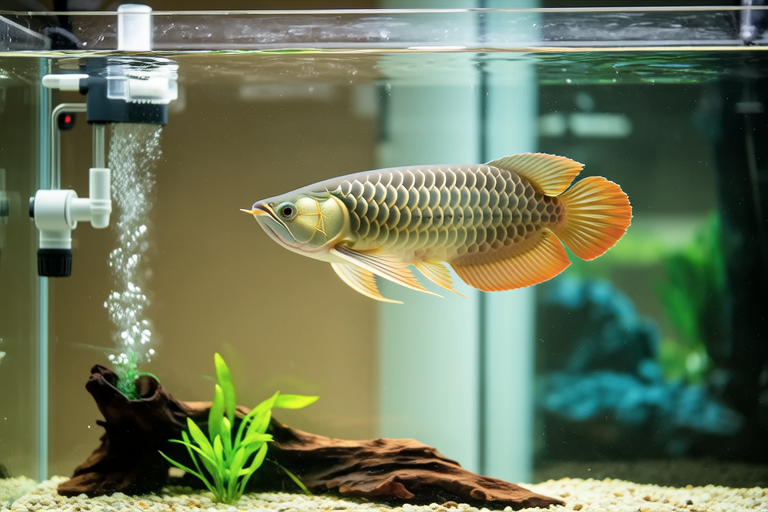
Arowanas possess several distinctive features that set them apart from other aquarium fish. They are large, reaching lengths of up to three feet, making them a stunning centerpiece in any tank. Their scales are thick and metallic, often shimmering with shades of green, silver, or gold. Perhaps one of their most remarkable traits is their ability to leap out of the water to catch prey, a behavior known as “surface skimming.”
As exotic pets, arowanas demand respect and attention. Their intelligence and social nature mean they can form bonds with their caretakers, making them more than just fish. However, this also means that potential owners must be prepared to meet their unique needs.
Ideal Tank Setup
Creating an optimal habitat for your arowana is crucial. The tank should be spacious, with a minimum length of 6 feet and a width of 2 feet. Height is also important, as arowanas need ample vertical space to swim and jump. A larger tank allows for better swimming patterns and reduces stress.
Substrate choice is critical. Fine gravel or sand is preferable to avoid damaging the arowana’s delicate barbels. Decorations such as driftwood and rocks can enhance the aesthetic appeal while providing hiding spots and climbing structures.
Water Parameters
Arowanas prefer soft, slightly acidic water. Maintaining a pH level between 6.5 and 7.0 is ideal. Water hardness should be kept low, around 4 to 8 dGH. Temperature control is vital, with a range of 75 to 82°F being optimal. Regular monitoring with a reliable thermometer and pH kit ensures the water remains within these parameters.
Filtration Systems
Effective filtration is essential for arowana health. High-quality external filters that provide mechanical, biological, and chemical filtration are recommended. These filters should handle at least four times the volume of the tank per hour. Additionally, a powerful water pump can help maintain water movement and oxygen levels, which are crucial for arowanas.
Feeding Habits
Arowanas are carnivorous and have a preference for live or frozen foods. Insects, small fish, shrimp, and worms make excellent dietary choices. A balanced diet is key, so consider a variety of options to ensure all nutritional requirements are met.
Feeding schedules should be consistent. Arowanas should be fed once or twice daily, with each meal consisting of as much food as they can consume in about five minutes. Overfeeding can lead to obesity and other health issues, so moderation is key.
Behavior and Temperament
Arowanas are active and curious creatures, often displaying playful behavior. They can recognize their caretakers and may even respond to regular feeding times. While generally peaceful, arowanas can become territorial if their space is invaded. It is advisable to keep them alone or with similarly sized, non-aggressive species.
Interacting with arowanas requires caution. Use long nets or tongs when handling, as their sharp teeth and strong jaws can cause injury. Gently placing your hand near the tank’s surface can sometimes encourage them to approach, but always exercise caution.
Maintaining a Healthy Environment
Regular maintenance of the tank is essential for arowana well-being. Weekly water changes of 20% to 30% help maintain water quality. Cleaning the substrate and decorations prevents the buildup of harmful substances. Monitoring equipment like heaters and filters ensures they function correctly.
Common health issues include fin rot, ich, and bacterial infections. Early signs of illness might include lethargy, loss of appetite, or abnormal swimming patterns. Prompt action, such as consulting a veterinarian specializing in exotic fish, can prevent further complications.
Conclusion
Owning an arowana is a rewarding experience that comes with significant responsibilities. By understanding and meeting their unique needs, you can provide a safe and comfortable home for these magnificent creatures. With the right tank setup, proper feeding, and attentive care, your arowana can thrive and bring joy for years to come.