
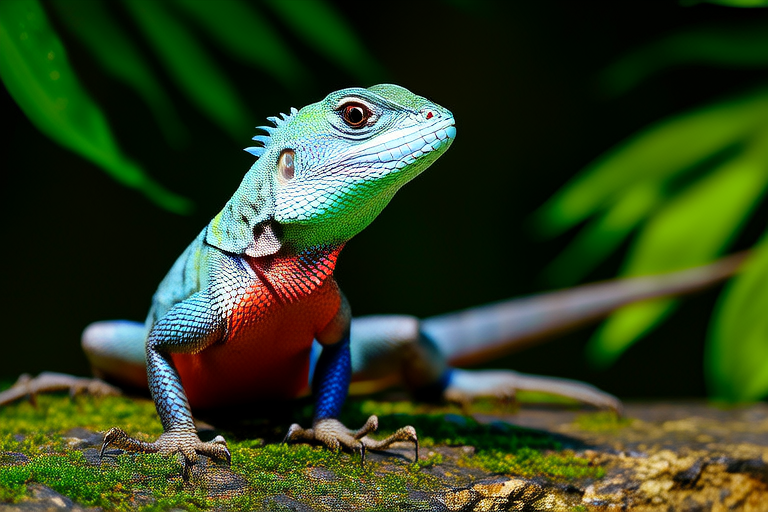
How to Care for Your Splendid Japalure Like a Pro
Welcome to the world of splendid Japalures! These unique creatures require special care and attention to ensure they thrive in their environment. This comprehensive guide will walk you through everything from understanding their unique needs to training them effectively. Whether you’re a first-time owner or a seasoned pro, this article aims to provide valuable insights that will help you become the best caregiver for your Japalure.
Understanding Japalures’ Unique Needs
Japalures are fascinating animals known for their vibrant colors and social nature. Originating from a mix of parrot species, they possess distinct characteristics that set them apart. They are highly intelligent and have complex communication behaviors, making them engaging companions. Scientifically, their vocalization abilities are remarkable, allowing them to mimic sounds and even learn phrases.
It’s crucial to understand that Japalures are not just pets; they are sentient beings requiring mental stimulation and emotional connections. Providing them with toys and interactive activities helps prevent boredom and destructive behavior. Regular interaction and positive reinforcement training are key to building a strong bond.
Dietary Requirements
A balanced diet is vital for maintaining your Japalure’s health. Their diet should primarily consist of fresh fruits, vegetables, and high-quality pellets designed specifically for their nutritional needs. Avoid feeding them avocado, chocolate, caffeine, or alcohol, as these can be toxic. Ensure fresh water is always available.
Incorporate a variety of foods to meet their diverse nutritional requirements. Foods rich in vitamins A and D, such as carrots and eggs, support healthy skin and feathers. Nuts and seeds provide necessary fats but should be given sparingly due to their high caloric content.
Housing and Environment Setup
The housing for your Japalure should be spacious enough to allow for natural movements and play. A cage with a minimum size of 3 feet by 2 feet by 4 feet is recommended. Ensure the cage has horizontal bars to facilitate climbing and perching. Place the cage in a quiet area away from direct sunlight and drafts.
Provide multiple perches of varying diameters to exercise their feet and promote healthy foot development. Natural wood perches are preferable as they mimic the bird’s natural habitat. Include chew toys to satisfy their instinctual need to gnaw and prevent overgrown beaks.
Health Care Tips
Regular veterinary check-ups are essential for early detection and treatment of potential health issues. Common ailments include respiratory infections, feather plucking, and obesity. Signs of illness include changes in appetite, activity levels, and plumage condition.
Maintain a clean living environment to minimize bacterial growth and reduce the risk of infections. Clean the cage at least once a week, replacing food and water daily. Monitor your Japalure’s weight regularly and adjust their diet accordingly.
Grooming Practices
Grooming is an important aspect of caring for your Japalure. Regularly trim their nails to prevent overgrowth, which can lead to discomfort and difficulty walking. Feather trimming may be necessary if your Japalure is prone to flighty behavior. Consult a veterinarian or experienced groomer for proper techniques.
Bathing is also crucial for maintaining healthy feathers. Provide a shallow dish of water for them to bathe in, or spray them gently with lukewarm water. Allow them to dry naturally in a warm, draft-free area.
Training Methods
Positive reinforcement is the most effective training method for Japalures. Use treats, praise, and affection to reward desired behaviors. Consistency is key; establish clear rules and expectations from the beginning. Training sessions should be short and frequent, lasting no more than 10-15 minutes at a time.
Begin with basic commands like ‘step up’ and ‘come.’ Gradually introduce more complex tricks as your Japalure becomes more comfortable. Patience and persistence are crucial in the training process. Always end sessions on a positive note to reinforce good behavior.
Common Behavioral Issues
Feather plucking is one of the most common behavioral issues among Japalures. It can be caused by stress, boredom, or underlying health problems. Addressing the root cause is essential in resolving this issue. Providing mental stimulation and ensuring a stable environment can help alleviate stress.
Screaming and biting are other behaviors that may arise. Screaming can be a form of communication or a response to stimuli. Identifying triggers and redirecting attention can help manage this behavior. Biting often results from fear or territorial instincts. Socializing your Japalure from a young age and exposing them to various environments can reduce aggressive tendencies.
Conclusion and Further Learning
Caring for a splendid Japalure is a rewarding experience that requires dedication and commitment. By understanding their unique needs, providing a nutritious diet, setting up a suitable environment, and practicing good health care and grooming, you can ensure your Japalure lives a long, healthy, and happy life. Training and addressing behavioral issues with patience and consistency will strengthen your bond and enhance your relationship.
To deepen your knowledge, consider joining local bird clubs or online forums dedicated to Japalure care. Many books and articles are available that offer expert advice and personal experiences. Stay informed and continue learning to provide the best possible care for your splendid Japalure.