
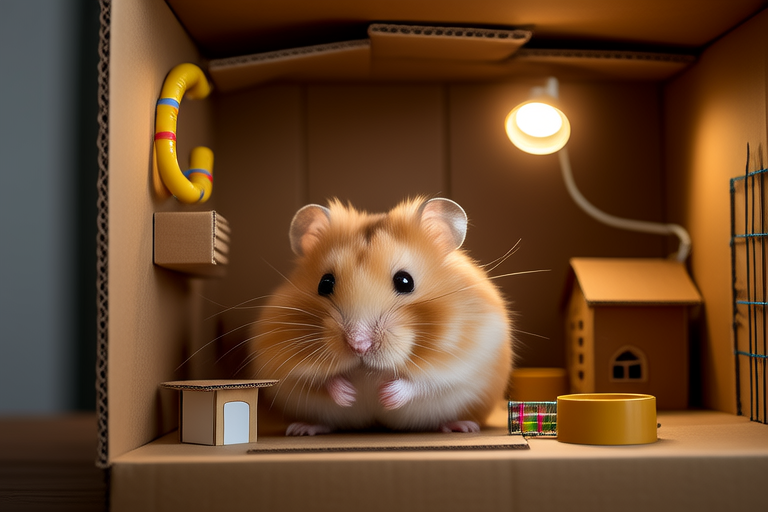
Hamster Habitat Hacks: Transforming Ordinary into Extraordinary
Welcome to the world of hamster habitat innovation! Your pet’s home is more than just a place to live; it’s an environment that can significantly influence its physical and mental well-being. In this article, we’ll explore creative ways to enhance your hamster’s living space, offering practical DIY ideas, safety tips, and material recommendations. We’ll delve into the importance of mental stimulation and physical health through habitat design, providing step-by-step instructions for building or modifying habitats, ensuring they are both safe and stimulating for your furry friend.
The Importance of Mental Stimulation and Physical Health
Mental stimulation is crucial for hamsters. Boredom can lead to stress and behavioral issues. Providing a stimulating environment helps prevent these problems. Similarly, physical health is vital. A spacious habitat encourages exercise, which is essential for maintaining a healthy weight and strong muscles.
Different Hamster Breeds
Understanding the specific needs of different hamster breeds is key. Syrian hamsters, being solitary animals, require larger habitats with fewer companions. Dwarf hamsters, however, are social creatures and may enjoy the company of their kind. Ensure the habitat accommodates the size and activity level of your particular breed.
Safety First: Materials and Toys
Selecting appropriate materials is paramount. Opt for non-toxic, easily cleaned items. Avoid sharp edges and small parts that could be swallowed. Safe bedding includes aspen shavings or paper-based bedding. Toys should be sturdy and free from harmful chemicals.
DIY Ideas for Enrichment
- Tunnels: Create DIY tunnels using cardboard tubes or PVC pipes. Ensure they’re large enough for your hamster to move comfortably.
- Shelters: Craft cozy shelters from small boxes or fabric. These provide hiding spots and encourage exploration.
- Exercise Wheels: Build a custom wheel using a sturdy base and a smooth surface. Regular exercise is vital for your hamster’s health.
Step-by-Step Instructions
- Choosing the Right Cage: Select a cage that provides ample space and proper ventilation. Ensure it’s escape-proof and easy to clean.
- Adding Tunnels: Cut holes in cardboard tubes or PVC pipes to fit them together. Attach them securely to the cage walls or floor.
- Creating Shelters: Use small boxes or fabric to create cozy hideouts. Position them strategically within the habitat.
- Installing Exercise Wheels: Securely attach a wheel to the cage. Make sure it rotates smoothly and is free from sharp edges.
Maintaining Hygiene and Comfort
Regular cleaning is essential for a healthy habitat. Remove soiled bedding and replace it with fresh material. Clean food and water dishes daily. Maintain a comfortable temperature and avoid drafts.
Thinking Outside the Box
Encourage creativity in choosing toys, bedding, and tunnels. Consider using natural elements like branches or stones. Incorporate different textures and colors to stimulate your hamster’s senses. Adapt the habitat based on your pet’s preferences and behaviors.
Conclusion
Your hamster’s habitat is a reflection of your care and commitment to its well-being. By implementing these habitat hacks, you can transform an ordinary living space into an extraordinary one, enriching your pet’s life and fostering a stronger bond between you. Remember, a happy hamster is a healthy hamster!