
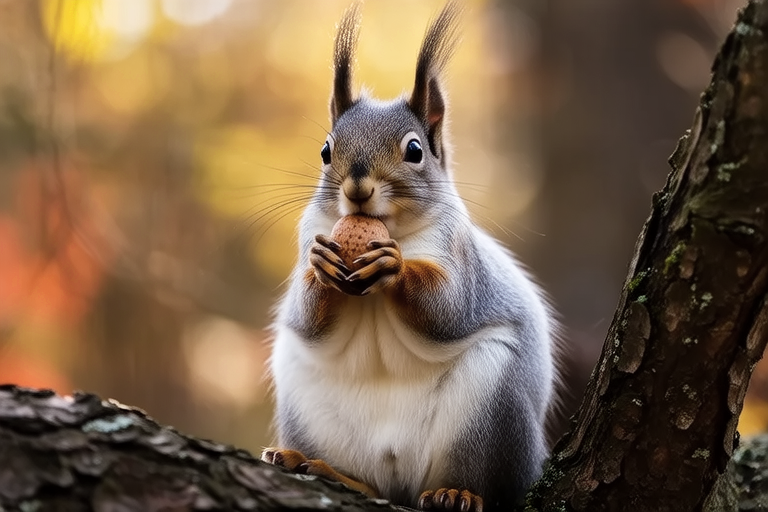
The Nutly Truth: How Squirrels Are More Than Just Garden Nuisances
Introduction:
When most people think of squirrels, they often picture them as garden pests that steal birdseed or chew through electrical wires. While it’s true that these agile rodents can sometimes cause a bit of trouble, they are far more than just nuisances. Squirrels play crucial roles in maintaining healthy ecosystems, exhibit fascinating social behaviors, and have remarkable adaptability. In this article, we will delve into the world of squirrels, dispelling common misconceptions and highlighting their ecological significance.
Dispelling Common Misconceptions:
One of the most widespread myths about squirrels is that they are solely responsible for spreading diseases. While it’s true that squirrels can carry certain pathogens, such as rabies, the likelihood of transmission to humans is extremely low. Another misconception is that all squirrels are the same. In reality, there are over 200 species of squirrels worldwide, each with unique characteristics and behaviors.
Ecological Importance:
Squirrels are vital contributors to their environments, particularly in seed dispersal and forest regeneration. They cache seeds by burying them underground, a behavior known as scatter hoarding. This process ensures that seeds from various plants are spread across different areas, promoting biodiversity. For instance, oak trees rely heavily on squirrels for seed dispersal. When squirrels bury acorns, some of these seeds remain undisturbed and eventually grow into new oak trees, contributing to forest regeneration.
Moreover, squirrels act as natural pest controllers by consuming insects and other small animals. Their presence helps maintain balance within ecosystems, preventing any one species from becoming too dominant.
Complex Social Behaviors:
Contrary to popular belief, squirrels are not solitary creatures. Many species, especially ground squirrels, live in colonies and exhibit intricate social structures. These colonies often consist of multiple generations working together for mutual benefit. For example, red squirrels are territorial but also display cooperative behaviors during mating seasons. They engage in vocal communication, using distinct calls to warn others of predators or signal danger.
Tree squirrels, like gray squirrels, are known for their playful antics and seemingly chaotic movements. However, beneath this facade lies a sophisticated understanding of their surroundings. They navigate through complex networks of branches, memorizing routes and creating shortcuts to avoid potential threats. Their agility and problem-solving skills make them adept at evading predators and securing resources.
Remarkable Adaptability:
Squirrels have shown incredible adaptability in urban settings. As cities expand, many squirrel populations have adapted to living alongside humans. They have learned to exploit human-made structures, finding shelter in attics and nesting in tree hollows. Some species have even developed novel foraging techniques, such as raiding garbage bins or scavenging for food scraps left behind by picnickers.
This adaptability extends beyond urban environments. Squirrels inhabit diverse habitats ranging from deserts to tropical rainforests. They have evolved specialized traits to thrive in these varied conditions. For instance, desert-dwelling squirrels have efficient water conservation mechanisms, reducing water loss through urine and sweat. Meanwhile, tropical squirrels possess elongated limbs and tails, enabling them to leap between branches with precision.
History of Human-Squirrel Interactions:
The relationship between humans and squirrels has been a mix of conflict and coexistence. Early settlers in North America viewed squirrels as valuable game animals, hunting them for their pelts. However, attitudes began to shift in the late 19th century when urban parks were established. People started feeding squirrels, seeing them as symbols of nature within cityscapes.
Today, conflicts still arise, particularly in suburban areas where squirrels may raid bird feeders or damage property. Nonetheless, many communities have implemented strategies to foster peaceful coexistence. For example, some cities have introduced designated feeding areas or provided alternative food sources to divert squirrels away from unwanted locations.
Actionable Tips for Coexisting with Squirrels:
To minimize conflicts and promote harmonious coexistence, consider implementing the following strategies:
- Secure Bird Feeders: Use squirrel-proof feeders or place feeders high enough to deter access. Regularly clean up spilled seeds to prevent attracting unwanted visitors.
- Provide Alternative Food Sources: Set up feeding stations specifically for squirrels, offering nuts and seeds that are less attractive to birds. This can help redirect their attention away from bird feeders.
- Exclude Access to Attics: Seal gaps around chimneys, vents, and windows to prevent squirrels from entering your home. Trim tree branches near roofs to eliminate easy access points.
- Create Wildlife-Friendly Gardens: Incorporate native plants that provide natural food sources for squirrels. This encourages them to stay within designated areas rather than venturing into gardens.
Conclusion:
While squirrels may occasionally cause minor inconveniences, their ecological contributions and intriguing behaviors make them valuable members of our ecosystems. By understanding and appreciating their roles, we can work towards peaceful coexistence. So next time you spot a squirrel darting through your backyard, take a moment to appreciate its importance and marvel at its remarkable abilities.