
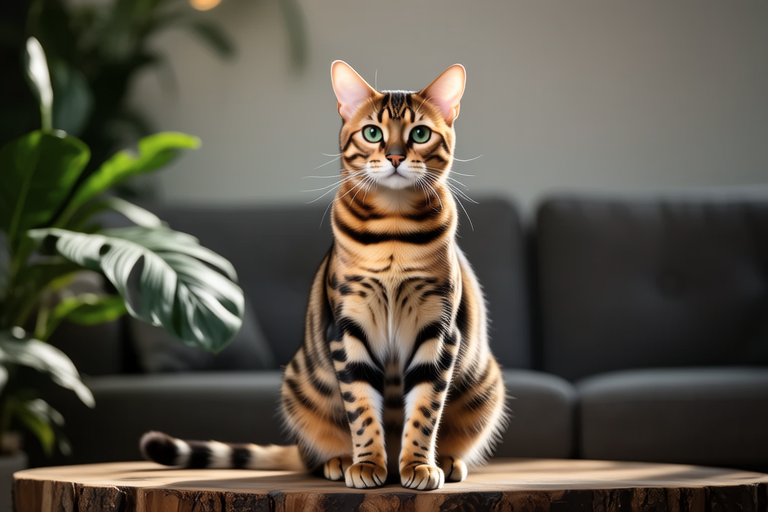
From Jungle to Home: Domesticating the Wild Spirit of the Bengal Cat
The Bengal cat is a fascinating blend of wild and domestic, captivating hearts with its striking appearance and vibrant personality. Originating from a crossbreeding experiment between domestic cats and Asian leopard cats, this breed has become one of the most sought-after pets in the world. In this article, we will delve into the origins of the Bengal cat, its unique characteristics, and the joys and challenges of owning one of these magnificent creatures.
The Origins of the Bengal Cat
The story of the Bengal cat begins in the early 20th century when breeders first attempted to crossbreed domestic cats with wild felines. The goal was to create a pet that retained the beauty and grace of its wild ancestors while being fully domesticated. Among these early experiments, Jean Mill’s work stands out. She began her breeding program in the 1960s, crossing domestic shorthair cats with Asian leopard cats. Over time, she refined the breed, selecting for specific traits like coat pattern and temperament. Today, the Bengal cat is recognized by major cat registries and is admired for its striking appearance and friendly nature.
Unique Characteristics of the Bengal Cat
Appearance
Bengal cats are known for their stunning coats, which often feature rosettes or marbling patterns reminiscent of their wild relatives. Their fur can range from golden to silver, with spots or swirls adding to their exotic allure. One of the most distinctive features of the Bengal cat is its luxurious, thick coat, which gives them a sleek and muscular appearance. Another hallmark is their large, expressive eyes, typically green or gold, which add to their wild charm.
Behavior
One of the most remarkable aspects of the Bengal cat is its energetic and playful nature. These cats are incredibly active and enjoy interactive play sessions with their owners. They are curious and inquisitive, always exploring their surroundings and seeking new adventures. Bengal cats also tend to be very social, forming strong bonds with their human families. They often follow their owners around the house, offering companionship and affection. Despite their wild heritage, Bengal cats are generally gentle and loving towards people, making them excellent family pets.
Health Needs
Like any breed, Bengal cats have specific health needs that potential owners should be aware of. Regular veterinary check-ups are essential to ensure they remain healthy and happy. Vaccinations and parasite control are crucial for maintaining their well-being. Additionally, Bengals may be prone to certain genetic conditions, such as hypertrophic cardiomyopathy (HCM) and polycystic kidney disease (PKD). Early detection and management of these conditions can significantly improve a Bengal’s quality of life. Providing a balanced diet and plenty of exercise can also help prevent obesity and related health issues.
Challenges and Rewards of Owning a Bengal Cat
Owning a Bengal cat can be a rewarding experience, but it also comes with its own set of challenges. One of the biggest challenges is meeting their high energy levels. Bengal cats require plenty of stimulation and mental engagement to thrive. Without adequate outlets for their energy, they may become destructive or bored. Interactive toys, climbing structures, and regular playtime can help keep them entertained and engaged.
Another challenge is their social nature. Bengal cats thrive on attention and companionship, and they may become anxious if left alone for long periods. This makes them ideal for households where someone is home frequently, but it also means that potential owners need to be prepared to spend significant time with their cat. Despite these challenges, the rewards of owning a Bengal cat are numerous. Their intelligence, loyalty, and playful demeanor make them wonderful companions. They offer endless entertainment and joy to their owners, creating lasting bonds that enrich lives.
Tips for Potential Owners
If you’re considering adopting a Bengal cat, there are several things to keep in mind to ensure you provide the best care possible. First, it’s important to choose a reputable breeder who prioritizes the health and well-being of their cats. Look for breeders who screen for genetic disorders and provide documentation of vaccinations and health clearances. Once you bring your Bengal home, establishing a routine is key. Consistent feeding times, litter box maintenance, and play schedules can help your cat feel secure and comfortable in their new environment.
Training your Bengal cat can also be an enjoyable and rewarding process. Positive reinforcement techniques, such as clicker training, can be used to teach basic commands and tricks. Bengals are highly intelligent and respond well to mental stimulation, so incorporating puzzle toys and interactive games into their daily routine can help keep them mentally sharp. Socialization is another important aspect of raising a Bengal cat. Exposing them to different environments, people, and other animals from an early age can help them develop into well-adjusted, confident adults.
Reflecting on the Balance Between Wild Spirit and Domestic Life
As we reflect on the journey of the Bengal cat from jungle to home, it’s important to consider the delicate balance between preserving their wild spirit and integrating them into domestic life. While these cats retain many of the traits that make them unique, they are ultimately domestic pets and should be treated as such. Providing them with the care, attention, and enrichment they need allows them to thrive in their new environments while still honoring their wild roots.
Owning a Bengal cat is a commitment that requires dedication and understanding. By respecting their instincts and providing them with the love and care they deserve, we can ensure that these magnificent creatures continue to captivate and inspire us for generations to come. Whether you’re an experienced cat owner or considering adding a Bengal to your family, understanding their history and needs can help you create a fulfilling and joyful relationship with these extraordinary animals.