
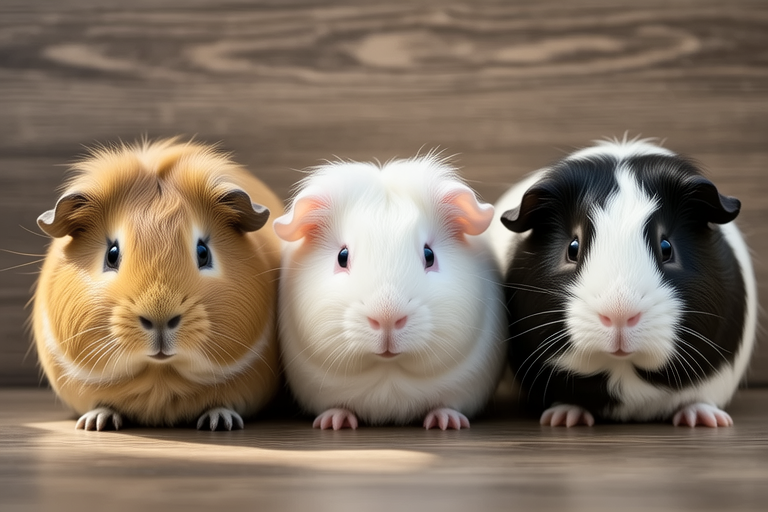
Guinea Pigs Galore: The Ultimate Guide to Choosing Your New Pet Friend
Welcome to the wonderful world of guinea pigs! These charming, sociable rodents have become increasingly popular as pets over the years, and it’s easy to see why. Their playful personalities, gentle nature, and relatively low maintenance make them ideal companions for families and individuals alike. Whether you’re a seasoned pet owner or considering your first furry friend, this guide will help you navigate the exciting journey of bringing a guinea pig into your home.
Choosing the Right Guinea Pig
When selecting a guinea pig, there are several important factors to consider. Understanding different breeds, temperaments, and health considerations can help ensure that you find the perfect match for your lifestyle.
Breed Characteristics
There are various breeds of guinea pigs, each with unique physical traits and personalities. Some popular breeds include the American, Abyssinian, and Peruvian guinea pigs. American guinea pigs have short, smooth coats and are often considered the most laid-back and easygoing. Abyssinians, known for their distinct rosette patterns, tend to be more active and curious. Peruvians, with their long, flowing hair, require more grooming but can be very affectionate.
Temperament
Guinea pigs generally have friendly and docile temperaments, making them great pets for children. However, individual personalities can vary. Spend time observing potential pets before adopting to ensure you choose one that matches your family’s dynamic. Look for guinea pigs that approach you confidently and show interest in interacting with people.
Health Considerations
It’s crucial to choose a healthy guinea pig from the start. Healthy guinea pigs should have bright eyes, clean noses, and smooth fur without any bald patches or signs of parasites. They should also be alert and active, with no signs of lethargy or discomfort. Always ask the breeder or shelter about the guinea pig’s medical history and vaccination status.
Selecting the Right Habitat
A proper living environment is key to ensuring your guinea pig’s happiness and well-being. Here are some essential tips for creating a comfortable and safe space for your new pet.
Habitat Size
Guinea pigs need ample space to move around, play, and exercise. A minimum cage size of 7.5 square feet (or approximately 2 x 4 feet) is recommended for a single guinea pig. If you plan to house multiple guinea pigs together, increase the space accordingly to prevent overcrowding.
Bedding
Choose bedding that is absorbent, dust-free, and free from chemicals. Paper-based bedding or recycled paper products are excellent choices as they are safe, comfortable, and easy to clean. Avoid cedar and pine shavings, as these can cause respiratory issues in guinea pigs.
Accessories
Incorporate accessories like tunnels, chew toys, and hiding spots to enrich your guinea pig’s environment. These items provide mental stimulation and help keep your pet entertained. Additionally, a water bottle and a food dish should be securely attached to the side of the cage to ensure easy access for your guinea pig.
Proper Diet Requirements
Nutrition plays a vital role in maintaining your guinea pig’s health and energy levels. A balanced diet should consist of hay, fresh vegetables, and a small amount of pellets.
Types of Food
Hay, particularly Timothy hay, should make up the majority of your guinea pig’s diet. It aids digestion and keeps teeth healthy by promoting natural wear. Fresh vegetables, such as carrots, bell peppers, and leafy greens, provide essential vitamins and minerals. Pellets formulated specifically for guinea pigs offer additional nutrients and should be given in moderation.
Feeding Schedules
Feed your guinea pig hay and vegetables daily, ensuring constant access to fresh hay. Pellets should be offered in measured amounts, typically around 1/8 cup per day for an adult guinea pig. Monitor your pet’s weight and adjust portions as necessary to maintain a healthy body condition.
Grooming and Maintaining Hygiene
Regular grooming helps keep your guinea pig looking and feeling its best. Different breeds may have varying grooming needs, so consult with a veterinarian if you’re unsure about specific care requirements.
Bathing
Unlike dogs and cats, guinea pigs rarely need baths. Excessive bathing can strip their skin of natural oils, leading to dryness and irritation. Instead, focus on keeping their living area clean and providing regular opportunities for dust baths to help control dander.
Cleaning the Cage
Regular cleaning is essential to prevent odors and disease. Remove soiled bedding and replace it with fresh material at least once a week. Spot-clean the cage daily to maintain cleanliness and freshness.
Common Health Issues and Signs of Illness
While guinea pigs are generally hardy animals, they can still develop health problems. Being aware of common issues and recognizing early signs of illness can help you provide timely care.
Respiratory Infections
Signs of respiratory infections include sneezing, nasal discharge, and labored breathing. Keep the cage well-ventilated and avoid exposing your guinea pig to drafts or extreme temperatures.
Dental Problems
Overgrown teeth can cause pain and difficulty eating. Regularly check your guinea pig’s teeth and consult a veterinarian if you notice any abnormalities. Providing plenty of hay and chew toys can help prevent dental issues.
Skin Conditions
Redness, itching, and hair loss can indicate skin conditions such as mites or allergies. Consult a veterinarian for proper diagnosis and treatment.
Bonding and Playing with Your Guinea Pig
Building a strong bond with your guinea pig can be incredibly rewarding. Guinea pigs thrive on social interaction and enjoy spending time with their human companions.
Handling Techniques
Approach your guinea pig gently, allowing it to get used to your presence. Use both hands to support its body when picking it up, and always handle your pet with care and respect.
Playtime
Supervised play outside the cage provides valuable exercise and mental stimulation. Create a safe play area free from hazards, and offer interactive toys to engage your guinea pig’s curiosity.
Owning a guinea pig is a delightful and enriching experience. With proper care, attention, and love, your new pet friend will bring endless joy and companionship to your home. Happy pet parenting!