
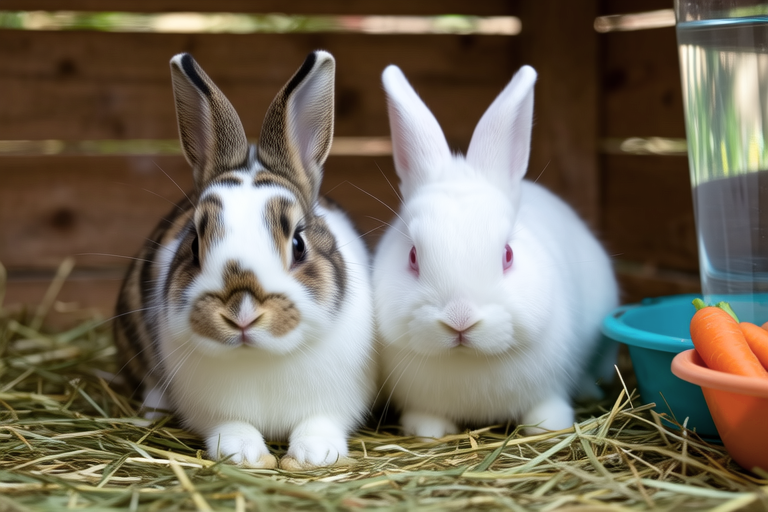
Dutch Dwarf Rabbits Unleashed: A Comprehensive Care Guide
The world of pet rabbits is rich with diversity, but few breeds capture the hearts of enthusiasts quite like the Dutch Dwarf. Known for their compact size, striking appearance, and friendly demeanor, these rabbits have become increasingly popular among both novice and seasoned pet owners. This guide aims to provide a comprehensive overview of what it takes to care for a Dutch Dwarf rabbit, from housing and diet to grooming and health.
Understanding the Dutch Dwarf Rabbit
Originating from Holland, the Dutch Dwarf is a small breed of rabbit, typically weighing between 1.6 to 2.3 kg (3.5 to 5 lbs). They are characterized by their short, dense fur, which can come in a variety of colors including black, blue, chocolate, and white. One of the most distinctive features of the Dutch Dwarf is its contrasting coloration, often featuring a white blaze on the face and a clear division between the main color and white areas.
Despite their small size, Dutch Dwarfs are robust and active, making them excellent companions for those who enjoy interactive pets. Their curious nature and playful behavior make them a joy to watch and interact with. However, they require attentive care to thrive, which is why understanding their specific needs is crucial for any potential owner.
Housing Requirements
Proper housing is fundamental to ensuring your Dutch Dwarf’s well-being. These rabbits need ample space to move around, rest, and play. A minimum of 4 square feet per rabbit is recommended, though more space is always better. The enclosure should be secure, with solid sides to prevent escapes and protect against predators.
Bedding is another important consideration. Use absorbent materials such as straw or wood shavings, and ensure that the bedding is changed regularly to maintain hygiene. Additionally, provide soft, comfortable resting areas where your rabbit can retreat when feeling tired or stressed.
Toys and accessories are also vital. Rabbits enjoy chewing, so providing safe chew toys made from untreated wood or cardboard can help satisfy this natural urge. Additionally, tunnels, platforms, and other enrichment items can stimulate their curiosity and keep them mentally engaged.
Dietary Needs
A balanced diet is key to maintaining your Dutch Dwarf’s health. The core of their diet should consist of high-quality hay, which aids digestion and keeps teeth healthy. Fresh vegetables should be offered daily, focusing on leafy greens like spinach, kale, and romaine lettuce. Avoid feeding too many fruits due to their high sugar content.
Commercial pellets designed for dwarf breeds should supplement their diet, providing necessary vitamins and minerals. However, these should be given in moderation to avoid overfeeding. Always introduce new foods gradually to monitor for any adverse reactions.
Ensure access to clean, fresh water at all times. Water bottles are preferable to bowls, as they reduce the risk of contamination and keep the area around the cage cleaner.
Grooming Tips
While Dutch Dwarfs have short, dense coats, regular grooming is still necessary to keep them looking their best and prevent matting. Brushing your rabbit weekly with a slicker brush helps remove loose hair and distribute natural oils. During shedding season, more frequent brushing may be required.
Bathing should be avoided unless absolutely necessary, as it can stress the rabbit and disrupt its coat’s natural oil balance. If bathing is needed, use a gentle, pet-safe shampoo and thoroughly rinse to remove all soap residues.
Trimming nails regularly is also important. This can be done at home using nail clippers designed for small animals, but if you’re unsure, consult a veterinarian or professional groomer. Be careful not to cut the quick, as this can cause bleeding and pain.
Exercise Recommendations
Exercise is crucial for the physical and mental health of Dutch Dwarfs. In addition to having enough space within their enclosure, they should be allowed supervised time outside of their cage each day. This allows them to explore, run, and play in a safe environment.
Interactive play sessions can include hiding treats for them to find, offering toys, or simply allowing them to hop around. Always supervise outdoor activities closely to prevent accidents. Additionally, consider providing ramps or low platforms inside their enclosure to encourage climbing and jumping.
Regular exercise helps maintain a healthy weight and reduces the risk of obesity-related health issues. It also contributes to overall happiness and well-being, fostering a strong bond between you and your pet.
Health Concerns
Like all pets, Dutch Dwarfs can suffer from various health issues. Common problems include dental disease, gastrointestinal stasis, and respiratory infections. Regular veterinary check-ups are essential for early detection and treatment of these conditions.
Dental care is particularly important. Overgrown teeth can lead to painful mouth ulcers and difficulty eating. Providing appropriate chew toys and ensuring a diet rich in fibrous material helps maintain proper tooth alignment. Signs of dental trouble include drooling, loss of appetite, and weight loss.
Respiratory infections are another concern, especially in crowded or poorly ventilated living spaces. Symptoms include sneezing, runny nose, and labored breathing. Prompt medical attention is necessary if you suspect your rabbit has contracted an infection.
Breeding Considerations
If you’re considering breeding Dutch Dwarfs, it’s important to understand the responsibilities involved. Breeding should only be undertaken by experienced rabbit keepers who have the resources to properly care for both parents and offspring.
Selecting healthy breeding stock is crucial. Look for rabbits with good temperament, proper body conformation, and no history of genetic disorders. Consult with reputable breeders and attend shows to learn more about the breed standards and desirable traits.
Pregnancy and nursing can be demanding on a doe (female rabbit), so ensure she has adequate nutrition, a quiet nesting area, and plenty of fresh water throughout gestation. Postpartum care includes monitoring the litter for growth and health, weaning them appropriately, and finding responsible homes for the kits.
Dispelling Myths
One common myth is that rabbits are low-maintenance pets. While they are generally easygoing, they require consistent care and attention. Another misconception is that all rabbits prefer solitude; in fact, Dutch Dwarfs often enjoy the company of humans and other rabbits.
It’s also important to note that while Dutch Dwarfs are smaller than some other breeds, they still need sufficient space and exercise. Ignoring their activity needs can lead to behavioral issues and poor health.
Conclusion
Caring for a Dutch Dwarf rabbit is a rewarding experience filled with love and companionship. By providing appropriate housing, a balanced diet, regular grooming, sufficient exercise, and attentive health care, you can ensure your rabbit leads a happy and healthy life.
For those seeking further information, joining local rabbit clubs or online communities can provide valuable insights and support. Resources such as books, magazines, and educational websites offer in-depth knowledge about rabbit care and breeding.